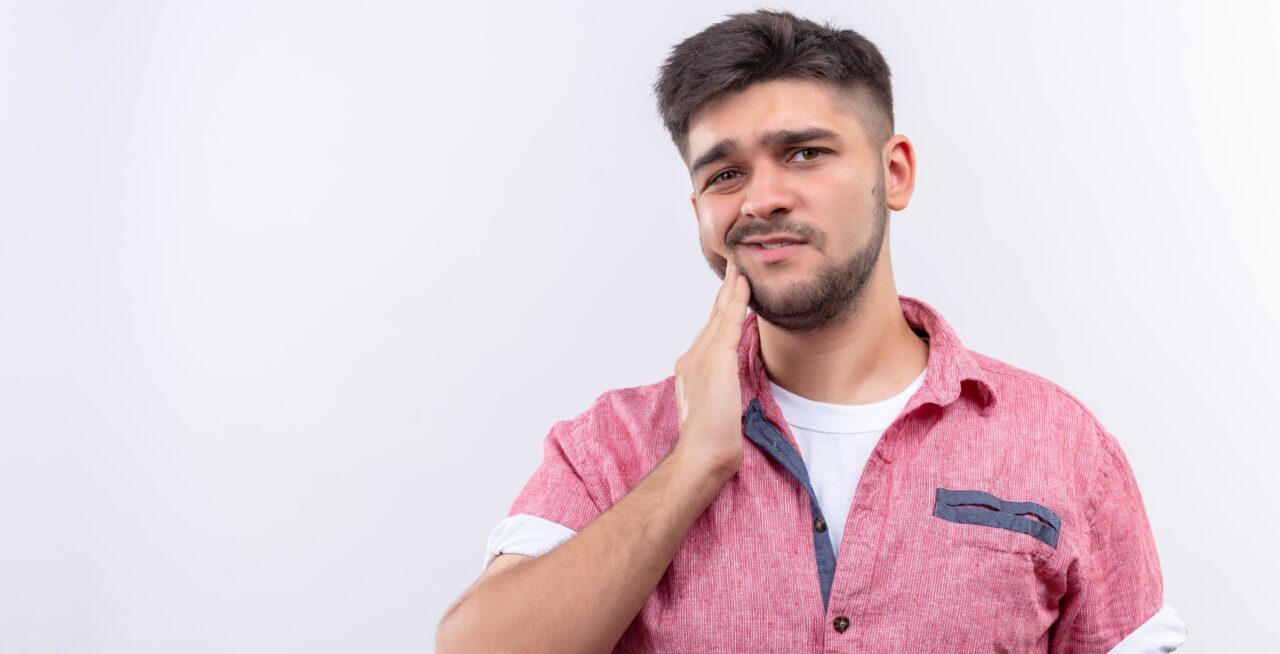
That sudden click when you open your mouth—or dull ache in your jaw—can be unsettling. Many people wonder: Is jaw clicking and pain a sign that something serious is wrong, or just a temporary annoyance?
At NW Emergency Dentist, we address these concerns daily. Located in Issaquah and serving the broader Puget Sound region, our team helps patients navigate jaw discomfort—determining when it’s a dental emergency and when simple lifestyle changes will do.
In this post, we’ll walk you through common causes of jaw pain and clicking, how to determine if it’s urgent, and why professional evaluation matters. We’ll also share real insights based on NW Emergency Dentist’s own practice trends.
The Common Causes Behind Jaw Pain and Clicking
Jaw issues usually stem from one of three broad categories:
1. Temporomandibular Joint Disorder (TMD/TMJ)
- The temporomandibular joints (TMJs) act as hinges connecting your lower jaw to your skull.
- Clicking or popping is often due to disc displacement—or bone or cartilage irregularities.
- It affects about 20–30% of adults , often presenting with dull aches, clicking, and restricted movement.
2. Bruxism (Teeth Grinding or Clenching)
- Habitual grinding puts pressure on the jaw muscles and joints.
- It may worsen stress-related clicking, aching, or even headaches.
3. Dental Issues & Infections
- Cracked teeth, deep cavities, or abscesses can refer pain to the joint area.
- Sharp pain or swelling around a specific tooth should prompt dental evaluation
Less commonly, jaw pain is caused by trauma, sinus infections, neuralgia, or joint arthritis—but these require professional assessment.
When Is Jaw Pain and Clicking a Dental Emergency?
Pain or clicking alone isn’t always a red flag. However, there are clear warning signs when urgent action is needed:
- Severe or sudden pain
Think excruciating, worsening, or disabling discomfort affecting your jaw, ear, neck, or temples.
- Lockjaw or inability to move the jaw
If you can’t open or close your mouth, this could signal a serious joint or muscle problem.
- Visible swelling, inflammation, or infection signs
Redness, pus, fever, or swelling are possible signs of an abscess requiring prompt care.
- Following trauma or accident
Being struck in the face or jaw can lead to fractures or dislocation—seek immediate attention.
- Neurological or cardiac red flags
Jaw pain with difficulty breathing, chest pressure, numbness, or dizziness is an emergency and may require a call to 911.
NW Emergency Dentist offers same-day appointments and emergency care every day of the week in Issaquah—ideal for these urgent needs.
When Clicking Jaw Isn’t Urgent?
Clicking or mild jaw discomfort—without other symptoms—is often benign. Here’s when you can likely manage it at home:
- Clicking or popping occurs only when yawning or chewing hard foods, without pain.
- No noticeable swelling, fever, or infection signs.
- No disturbance in jaw function—opening, closing, and eating are normal.
In many cases, this is due to mild disc displacement or joint strain and can improve with non-invasive measures.
What You Can Do at Home?
To manage mild jaw issues, start with these simple steps:
- Apply warm or cold compresses to relieve inflammation.
- Stick to soft foods and avoid extreme chewing.
- Perform gentle jaw stretching and strengthening exercises.
- Reduce stress—practice relaxation and mindfulness.
- Consider a bite splint or nightguard to prevent grinding.
- Take OTC anti-inflammatories after checking with your healthcare provider.
If these help within a few weeks, a serious issue is unlikely. But if symptoms persist or worsen, a professional check is advised.
How NW Emergency Dentist Diagnoses and Treats Jaw Pain?
When you visit NW Emergency Dentist, our goal is to pinpoint the source quickly, combining expert evaluation with cutting-edge technology:
-
Comprehensive exam
We evaluate a patient’s entire facial area—not just teeth—checking for TMJ noises, pain, bite issues, and associated symptoms.
-
Diagnostic imaging
Digital X-rays or sometimes 3D imaging help assess joint structure and tooth integrity.
-
Personalized treatment plan:
- TMJ Splints and bite adjustments
- Bruxism therapy—including nightguards
- Muscle relaxation techniques and jaw exercises
- Referral to ENT or medical professionals if sinusitis, neuralgia, or arthritis is suspected.
- Emergency treatment for infections (abscess drainage, root canals).
Within the past year, NW Emergency Dentist reported that ~25% of jaw pain cases involved a combination of TMD and underlying dental issues—evidence we use to train our staff in integrated care.
Why Prompt Treatment Matters?
Untreated jaw pain and clicking can lead to:
- Chronic pain and jaw dysfunction
- Worsening joint damage (arthritis in TMJ)
- Increased failure of dental restorations
- Persistent headaches and facial discomfort
Conversely, early intervention often results in quick relief, fewer invasive treatments, and better long-term outcomes.
Prevention: Keep Your Jaw Healthy
- Use a nightguard if you grind or clench your teeth
- Prioritize stress management to avoid muscle tension
- Maintain proper posture when working or eating
- Avoid extreme chewing or opening wide—especially during recovery
- Keep dental checkups every 6 months to prevent tooth issues
Explore our Preventive Dental Services for guidance and advanced care.
FAQ
Q: Is clicking always a sign of TMJ disorder?
A: Not always. Clicks without pain or dysfunction are often benign. Persistent clicking, particularly with pain, should be evaluated by a dentist or TMJ specialist nwemergencydentist.com.
Q: How soon should I seek help for jaw pain?
If you experience pain, locking, swelling, or difficulty opening your mouth—don’t wait. NW Emergency Dentist is open seven days a week for urgent care
Q: Are there non-surgical TMJ treatments?
Yes. We typically try conservative options first—like splints, bite adjustments, physical therapy, and stress management.
Q: Can jaw pain be a medical emergency?
Yes—if accompanied by chest pain, numbness, or difficulty breathing. This could indicate a heart event. Call 911 immediately .
Conclusion
Jaw pain and clicking don’t always signal a crisis—but they’re worth paying attention to. Whether it’s mild TMD, stress-related friction, or a dental issue, early access to quality care makes all the difference.
At NW Emergency Dentist, we offer rapid evaluation, precise diagnosis, and compassionate treatment—all day, every day. If your jaw is hurting or clicking more than it should, or it’s impacting your daily life, don’t wait.
Take the first step toward relief. Book your jaw pain evaluation now.