Wisdom teeth usually appear between ages 17 and 25. Although some people have room for them, many experience impaction, where the tooth is blocked from erupting properly. What seems like a minor irritation can quickly turn into a dental emergency that needs immediate care.
At NW Emergency Dentist, we often treat patients who ignored mild discomfort—only to return in severe pain. This blog explains how impaction develops, when it becomes a dental emergency, and why timely treatment is vital for your oral and overall health.
What is an Impacted Wisdom Tooth?
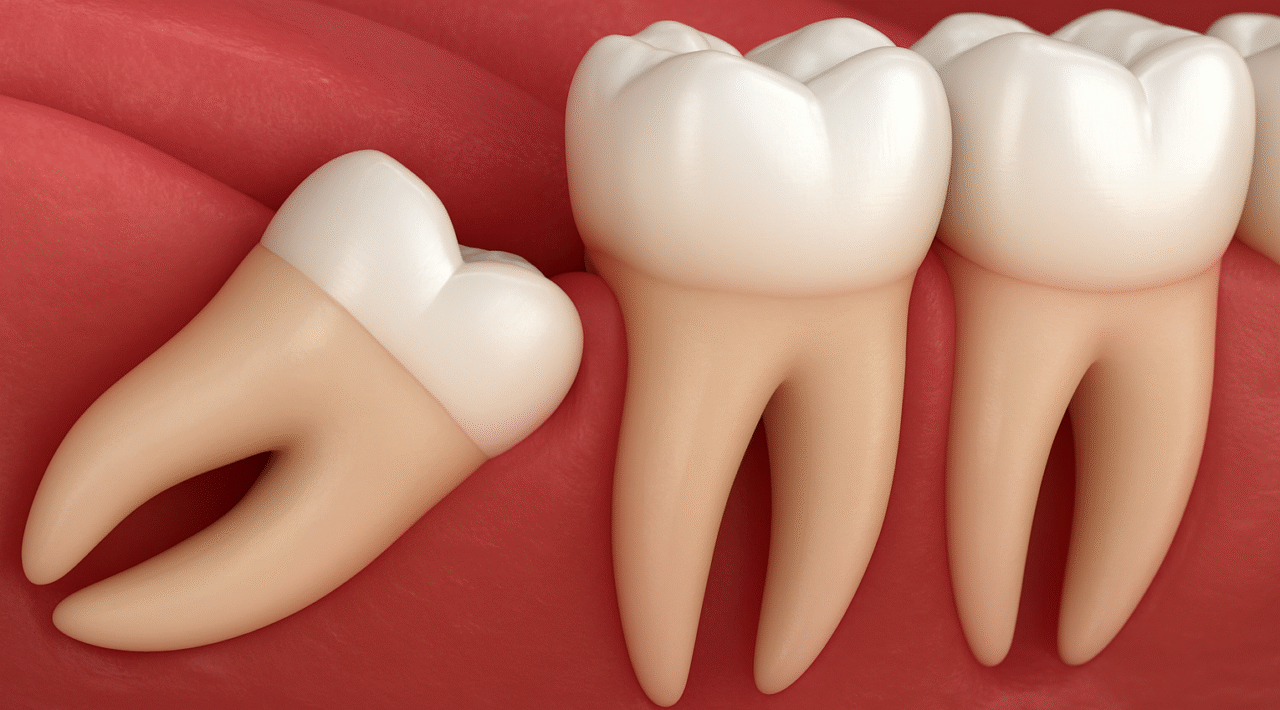
An impacted wisdom tooth is one that fails to emerge fully, either due to lack of space or because it’s growing at an angle. It may be completely hidden under the gums or only partially erupted. Studies show up to 60% of impacted wisdom teeth eventually cause issues and require removal.
While an impacted wisdom tooth doesn’t always cause symptoms, we’re particularly concerned about partially erupted or misaligned teeth—they often lead to problems.
When Does Impacted Wisdom Become an Emergency?
Impacted wisdom teeth aren’t always urgent—but they become serious when they trigger one of the following:
Pericoronitis (Gum Infection)
A flap of gum over a partially emerged wisdom tooth can trap food and bacteria, leading to pericoronitis. Symptoms include redness, swelling, pain, and bad breath. If untreated, infection can spread, making chewing—or even breathing—exceedingly difficult.
Abscess Formation
Bacteria around the impacted tooth can cause pus-filled abscesses, presenting with intense pain, swelling, fever, and that classic “chipmunk cheek.” These situations require immediate attention.
Cyst or Tumor Development
Sometimes a cyst forms near the impacted root, damaging nearby bone and teeth. Although rare, these can grow without symptoms until serious damage occurs.
Systemic Infection and Sepsis
In very rare but life-threatening cases, untreated infections from impacted wisdom teeth can spread to the bloodstream, leading to sepsis. Scary as it sounds, this has happened—even in teens—making early intervention non-negotiable.
Signs You Shouldn’t Ignore
Here are red-flags that warrant urgent care:
- Intense, unrelenting pain around the wisdom tooth area
- Swelling in gums, jaw, or neck
- Difficulty opening the mouth (trismus)
- Fevers, fatigue, or gland swelling
- Unpleasant taste or odor from the mouth
- Trouble breathing or swallowing
These signs suggest a serious infection. Visit NW Emergency Dentist immediately—our emergency dental services are available when you need them most.
How We Handle Impacted Wisdom Tooth Emergencies?
When patients come to us with urgent wisdom tooth issues, here’s what happens:
- Diagnostic Evaluation
- We examine your mouth and use digital X-rays to assess the tooth’s angle and infection status.
- Immediate Treatment
- For pus formation, we perform abscess drainage and may prescribe antibiotics.
- For inflamed gums (pericoronitis), we clean the area carefully under local anesthesia.
- Tooth Removal (Extraction or Coronectomy)
- If extraction is required, we may perform a coronectomy—removing only the crown to reduce nerve injury risk.
- When appropriate, we extract fully and offer sedation for comfort.
- Ongoing Care
- We provide detailed recovery tips and oral hygiene recommendations to ensure smooth healing.
By taking swift action, we can prevent spread of infection and complications such as cyst formation or systemic involvement.
Why You Shouldn’t Wait?
Ignoring symptoms can lead to serious outcomes:
- Severe infection that invades jaw tissue or bloodstream
- Cyst formation, leading to structural damage
- Bone degradation and difficulty with later procedures
- Long-term pain and swelling
- Emergency hospitalization
By acting early—or even prophylactically—patients avoid invasive treatments and ensure much smoother healing.
Should You Remove Asymptomatic Impacted Wisdom Teeth?
It depends on individual risk. At NW Emergency Dentist, we review each case to decide:
- Is removal necessary based on tooth angle or location?
- Will surgery be simpler now, rather than when problems emerge?
- What are your short and long-term health goals?
Studies show removing potentially problematic wisdom teeth early often prevents future emergencies and surgical challenges.
What You Should Do If You Suspect Impacted Wisdom Tooth Trouble?
- Don’t wait for pain—schedule a checkup if you notice discomfort or jaw swelling.
- Plan for evaluation, even without symptoms—a routine exam can catch impactions early.
- Discuss removal or monitoring—based on X-rays, age, health history, and risk profile.
Explore our general dental services to learn more about X-rays, exams, and evaluation.
Helpful Tips for Prevention & Early Detection
To reduce risks and detect problems early:
- Book dental cleanings every six months
- Ask about X-rays if you’re in your late teens or early 20s
- Keep gum tissues around wisdom teeth clean with gentle rinses
- Report even mild discomfort or swelling promptly
Our preventive dental services can help keep your oral health crystal clear and pain-free while minimizing the chance of emergency extractions.
Recovery and Aftercare Tips Post Extraction
Once your impacted wisdom tooth has been removed, proper aftercare is essential for preventing complications like dry socket, infection, or delayed healing. At NW Emergency Dentist, we guide each patient through a customized recovery plan.
Here’s what to expect after surgery:
What to Do:
- Bite down gently on gauze to control bleeding
- Apply ice packs (20 minutes on, 20 minutes off) to reduce swelling
- Eat soft foods like yogurt, soups, and mashed potatoes for the first few days
- Keep your head elevated while sleeping
- Take medications exactly as prescribed
What to Avoid:
- Don’t use straws or spit forcefully for 24–48 hours
- Avoid hot drinks or crunchy foods
- Skip smoking or alcohol for at least 72 hours
- Don’t brush the surgical site aggressively
Healing typically takes 7–10 days, but some soreness may last longer. If swelling, pain, or discharge increases, contact NW Emergency Dentist immediately.
Frequently Asked Questions
Q: How common are impacted wisdom teeth?
Up to 75% of people have at least one wisdom tooth that isn’t ideal; about 60% eventually require removal .
Q: Can asymptomatic impacted teeth remain forever?
In some cases, yes. But partially erupted teeth often trigger problems down the line. Hence dentist-led monitoring is wise.
Q: Is extraction painful?
We use local anesthesia and offer sedation to ensure a comfortable experience. Recovery is typically manageable, with mild swelling and soreness.
Q: What if the infection spreads?
This is rare, but can escalate to serious issues like Ludwig’s angina or sepsis. Severe facial swelling, throat tightness, or breathing issues are medical emergencies—call 911 right away.
Conclusion
Yes—an impacted wisdom tooth can turn into a dental emergency. From abscesses and cysts to systemic infections, the risks escalate if left unchecked.
NW Emergency Dentist provides prompt evaluation, compassionate emergency care, and safe removal when needed. Don’t wait for pain or swelling. Early action is your best protection—physically and financially.
Protect your smile—and your health—today. Book now.