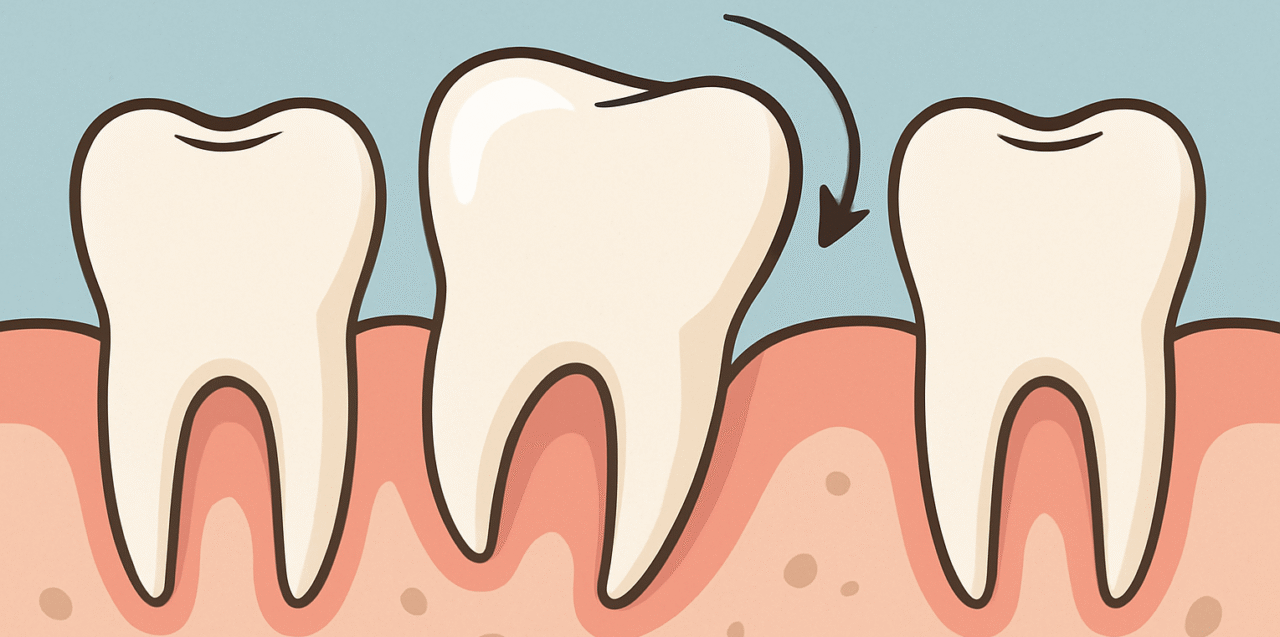
You may have noticed a tooth that moves slightly when you bite or brush. At first, it may feel like a minor issue—easy to overlook. But here’s the truth: a loose tooth in adults is never normal. It’s your body waving a red flag, warning you of something serious underneath.
At NW Emergency Dentist, we treat patients every week who delayed care for loose teeth—only to end up needing urgent treatment. If caught early, a loose tooth can often be stabilized and saved. But if ignored, it can quickly progress into permanent damage, infection, and even tooth loss.
This blog covers what causes adult teeth to loosen, what happens if it’s left untreated, and how we can help restore your smile before it’s too late.
Why Do Teeth Become Loose in Adults?
Unlike children, adults don’t have teeth that are meant to fall out. Adult teeth are anchored into the jawbone by a network of ligaments, gum tissue, and bone. When any of these structures are damaged, the tooth may begin to feel mobile.
Here are the most common reasons adult teeth become loose:
-
Gum Disease (Periodontitis)
Gum disease is the #1 cause of loose teeth in adults. As plaque builds up and turns into tartar, bacteria begin attacking the gums and bone. Over time, the bone and connective tissue that hold your teeth in place weaken, causing them to loosen.
-
Dental Trauma or Injury
Falls, accidents, or sports injuries can knock a tooth partially out of place. Even if it doesn’t break, the supporting ligaments may stretch or tear, leading to looseness.
-
Bruxism (Teeth Grinding)
Grinding or clenching your teeth—often during sleep—puts chronic stress on the jaw and ligaments. Over time, this can loosen teeth and damage enamel.
-
Bite Misalignment or Overcrowding
An uneven bite can place excessive force on certain teeth, gradually causing them to shift or loosen.
-
Bone Loss Due to Osteoporosis or Age
As bone density decreases with age or due to medical conditions, the jawbone may not support teeth as securely.
Think you may be grinding your teeth? Ask us about nightguards and occlusal adjustments—explore our Restorative Services to learn more.
What Happens If You Ignore a Loose Tooth?
It might not hurt at first. It might just feel odd. But without professional treatment, a loose tooth almost always worsens—and here’s how:
-
Tooth Loss
Once the supporting ligaments and bone have been weakened enough, the tooth may fall out on its own—or need to be extracted. Replacing it later requires additional time, cost, and often surgery.
-
Spread of Infection
A loose tooth is vulnerable to bacterial invasion, which can lead to gum abscesses, bone infections, or systemic health issues if the bacteria spread to your bloodstream.
-
Jawbone Deterioration
When a tooth is lost or not functioning properly, the jawbone beneath it begins to break down in a process known as bone resorption. This can change the shape of your face and make future treatments more difficult.
-
Damage to Surrounding Teeth
A loose tooth can shift your bite, placing extra pressure on surrounding teeth and weakening them too. The result? A domino effect of dental problems.
-
More Expensive and Invasive Treatment Later
What may have been corrected with simple splinting or deep cleaning could eventually require dental implants, bone grafting, or full-mouth restoration if neglected.
How NW Emergency Dentist Treats Loose Teeth?
At NW Emergency Dentist, we evaluate not just the loose tooth, but the entire mouth—because the root cause is just as important as the symptom.
Based on what we find, your treatment may include:
- Deep Cleaning (Scaling & Root Planing): If gum disease is the cause, removing plaque and tartar below the gum line can reduce inflammation and help restore stability.
- Dental Splinting: A non-invasive procedure where the loose tooth is bonded to neighboring teeth for added support while the tissue heals.
- Bite Correction: Adjusting the bite to reduce excessive force on certain teeth.
- Nightguard Therapy: Custom-made mouthguards for patients who grind or clench their teeth.
- Bone or Gum Grafting: In advanced cases, we may rebuild lost support using grafts to stabilize the area.
- Tooth Extraction + Replacement: If the tooth cannot be saved, we provide painless removal and permanent solutions like dental implants, bridges, or dentures.
Don’t let time work against your smile. Visit our Emergency Dental Services page to book urgent care if your tooth feels loose.
Prevention: Protecting Your Teeth for the Long Term
The best way to avoid dental emergencies is through routine preventive care.
Here’s how you can reduce your risk of loose teeth:
- Brush twice daily with fluoride toothpaste
- Floss once a day to remove plaque between teeth
- Use an antibacterial mouthwash to control bacteria
- Visit the dentist every 6 months for checkups and cleanings
- Avoid using teeth as tools (e.g., opening packages)
- Wear a mouthguard during sports or if you grind your teeth
- Treat gum inflammation at the first sign of bleeding or swelling
Explore our Preventive Dental Services to take control of your oral health today.
When Should You See a Dentist for a Loose Tooth?
You should never wait for a loose tooth to fall out. If you notice any of the following, call us immediately:
- A tooth that moves when touched or bitten down on
- Bleeding or inflamed gums
- Pain or sensitivity in a specific tooth
- Change in bite or tooth alignment
- Swelling or pus around the tooth or gum line
Conclusion
A loose tooth is more than a minor annoyance—it’s a warning sign that your oral health is at risk. The longer you wait, the more complex (and costly) the treatment becomes.
But with early diagnosis and expert care from NW Emergency Dentist, many loose teeth can be saved. And if not, we’ll help you restore your smile with modern, permanent solutions tailored to your needs.
Your teeth are meant to last a lifetime—don’t let one loose tooth compromise them all.
Frequently Asked Questions
Q1: Can I fix a loose tooth at home?
No. A loose tooth in adults won’t tighten on its own and should never be pushed or pulled at home. Only a dentist can determine the right treatment.
Q2: Is a loose tooth always painful?
Not necessarily. Some loose teeth have no pain initially, which is why regular checkups are essential.
Q3: Can a loose tooth be saved?
Yes—if treated early. Splinting, cleaning, and bite adjustment are often enough if the structure is still intact.
Q4: What if the tooth falls out?
Contact us immediately. The sooner you act, the better the chances of saving the tooth or replacing it effectively.