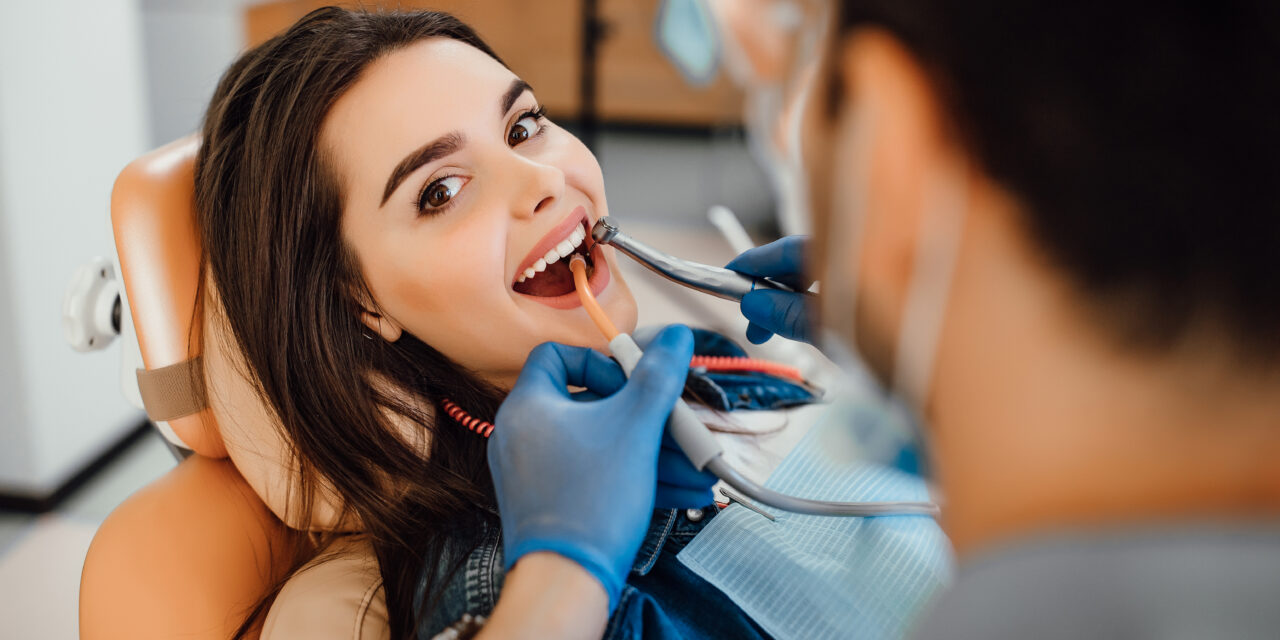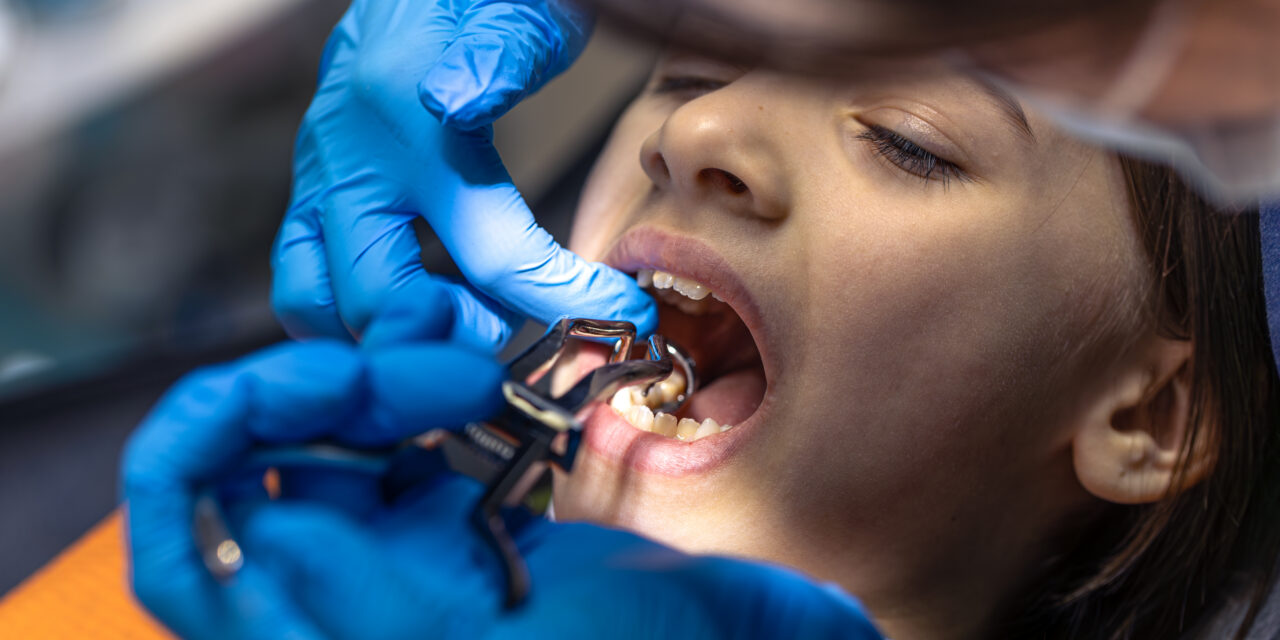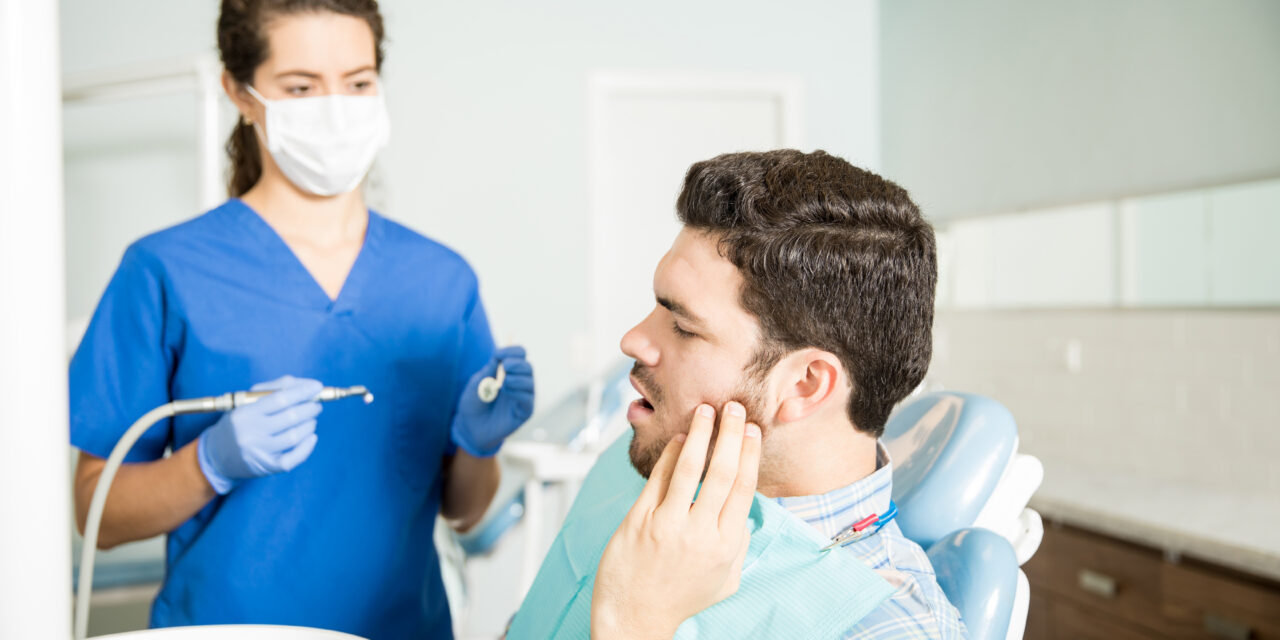

A tooth extraction is often done to relieve pain or prevent a bigger problem—but what happens after the extraction matters just as much as the procedure itself. The hours and days that follow are when healing begins, and small mistakes during this time can lead to unnecessary pain or complications. Dentists regularly see patients who...
Getting a dental implant is a planned procedure, but the days that follow often come with questions. Many people expect discomfort, yet they’re unsure what’s normal and what isn’t. The first week after a dental implant is a recovery phase where the body begins healing around the implant, and understanding what usually happens can prevent...
Snacking feels harmless. It’s part of daily life—between meetings, after workouts, late at night. Most people don’t connect snacks with dental problems unless there’s obvious sugar involved. But dentists often see a different pattern. Many cases of sudden tooth pain or sensitivity don’t come from one big mistake, but from small snack choices repeated every...
Most people think tooth damage comes from sugar. Candy, desserts, soda—that’s usually what gets blamed. So when someone switches to drinks that aren’t sweet, it feels like a smart move for their teeth. What often gets missed is that acid, not sugar, is what quietly causes long-term damage. This is something dentists see regularly, including...
Most people don’t give much thought to their toothbrush. It’s something you grab twice a day, use out of habit, and replace only when it looks worn out. As long as you’re brushing, it feels like you’re doing what’s required. But in reality, the type of toothbrush you use—and how you use it—plays a bigger...
Brushing your teeth twice a day is important—but it’s not the full picture. Many people are surprised to learn that brushing alone doesn’t clean the entire mouth. In fact, some of the most common dental problems seen by a dentist Issaquah begin in areas a toothbrush simply can’t reach. This gap between what people think...
Bad breath is often treated like a surface-level issue. People reach for stronger toothpaste, mouthwash, or mints and assume the problem is solved. When the odor fades temporarily, it feels reassuring. But when bad breath keeps returning despite good oral hygiene, it’s often a sign that something deeper is going on. Many patients who later...
Bleeding gums are one of the most ignored dental warning signs. Many people notice blood while brushing or flossing and quickly explain it away—“I brushed too hard,” “I skipped flossing,” or “My gums are just sensitive.” Because bleeding often isn’t painful, it feels harmless. But in reality, bleeding gums are rarely normal and are often...
Small cavities rarely get attention. They don’t usually hurt, they don’t interfere with daily routines, and they’re easy to dismiss. Many people assume that if there’s no pain, there’s no real problem. In reality, this assumption is one of the most common reasons patients eventually need tooth pain urgent care. What starts as a minor...
Most dental emergencies don’t start as emergencies. They begin quietly, with small changes that are easy to ignore. A little discomfort. A strange sensation while chewing. Mild sensitivity that comes and goes. Because these signs don’t always feel urgent, people delay care, assuming the problem will settle on its own. In reality, many of the...