
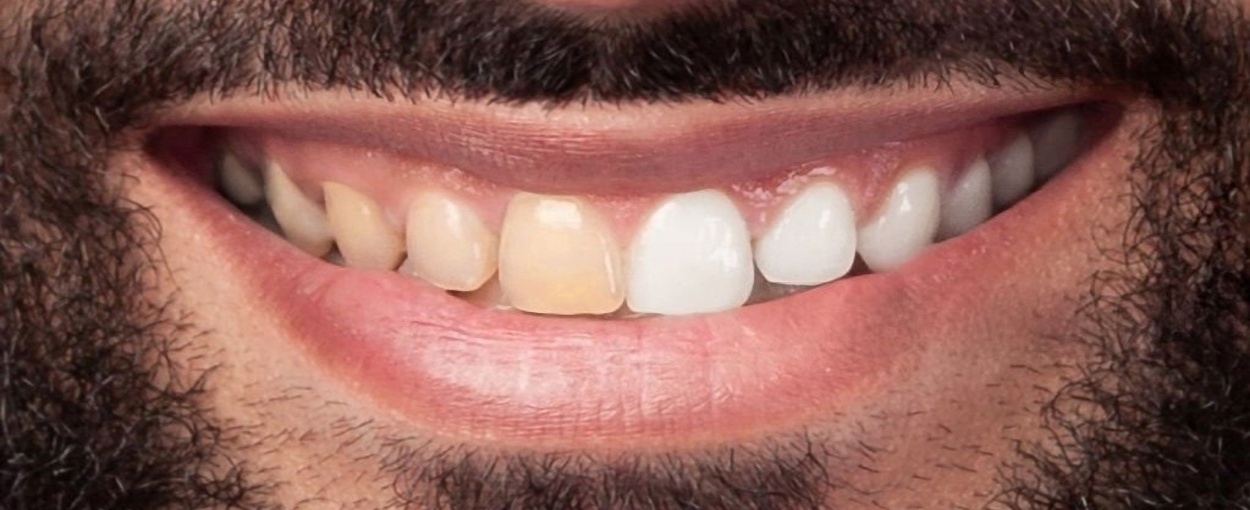
Noticing a change in the color of your teeth can be alarming. While some discoloration is harmless and purely cosmetic, other types may indicate an underlying dental problem that requires immediate attention. Understanding the causes of tooth discoloration and recognizing the warning signs can help you protect your oral health and prevent more serious complications.
Understanding Tooth Discoloration
Tooth discoloration refers to any change in the natural shade of your teeth. These changes can range from yellowing to dark brown, gray, or even black in some cases. Discoloration can be classified into three main types:
- Extrinsic discoloration: Stains that affect the outer layer of teeth (enamel). Common causes include coffee, tea, red wine, tobacco, and certain foods.
- Intrinsic discoloration: Changes in the inner structure of the tooth, often caused by trauma, decay, medications, or developmental conditions.
- Age-related discoloration: Natural enamel wear over time exposes the yellow dentin beneath, giving teeth a darker appearance.
While extrinsic stains are often harmless and treatable with cosmetic procedures, intrinsic discoloration can indicate a deeper issue that requires professional care.
Common Harmless Causes of Tooth Discoloration
Many everyday habits can lead to minor tooth discoloration:
- Dietary factors: Coffee, tea, wine, berries, soy sauce, and curry can stain enamel.
- Tobacco use: Smoking or chewing tobacco can leave persistent stains.
- Poor oral hygiene: Plaque and tartar buildup can darken teeth.
- Natural aging: Thinning enamel exposes dentin, which is naturally darker.
These factors typically affect all teeth rather than just one and do not cause pain. Cosmetic treatments or professional cleaning can usually restore the tooth’s appearance.
Warning Signs That Discoloration May Be More Serious
While many stains are harmless, certain changes in your teeth may indicate a more serious dental problem. Warning signs include:
- Discoloration affecting a single tooth: If only one tooth darkens, it may signal pulp necrosis or trauma.
- Brown or black spots: Often a sign of advanced decay or cavities. Learn more about treatment options at Emergency Dental Services.
- Grayish or bluish teeth: Can indicate a dead tooth or damage to the pulp.
- White patches: May be caused by enamel demineralization, early decay, or fluorosis.
- Discoloration with pain or sensitivity: Pain, swelling, or tenderness alongside color changes may indicate infection or inflammation requiring urgent care.
Recognizing these warning signs early can prevent further damage and help preserve your tooth.
Underlying Dental Problems Linked to Discoloration
Several dental conditions can cause intrinsic discoloration:
- Tooth decay and cavities: Bacteria erode the enamel and dentin, leading to dark spots or discoloration.
- Dental pulpitis or pulp necrosis: Damage or infection of the pulp can turn the tooth gray or dark brown. For treatment, visit Root Canal Services.
- Trauma to the tooth: Accidents or fractures can damage blood vessels inside the tooth, causing it to darken. See Cracked or Broken Teeth Services.
- Fluorosis: Excessive fluoride during tooth development can leave white or brown streaks.
- Medication-related staining: Tetracycline or other antibiotics taken during childhood can result in permanent discoloration.
- Enamel erosion: Acidic diets or acid reflux can thin enamel, making teeth appear darker.
Some of these issues require restorative or surgical interventions, like Dental Surgery Services or Full-Mouth Reconstruction, to restore function and aesthetics.
Diagnosis and Professional Evaluation
Proper evaluation by a dentist is essential to distinguish between cosmetic stains and signs of serious dental problems. Diagnosis may involve:
- Clinical examination: Dentists check for cavities, cracks, or signs of trauma.
- X-rays and imaging: Identify underlying decay, pulp damage, or abscess formation.
- Pulp vitality tests: Determine whether the pulp is healthy, inflamed, or necrotic.
Early detection of intrinsic discoloration can prevent tooth loss and reduce the need for invasive procedures.
Treatment Options for Tooth Discoloration
Treatment depends on whether the discoloration is extrinsic (cosmetic) or intrinsic (medical):
- Extrinsic stains:
- Professional dental cleaning and polishing.
- Teeth whitening treatments.
- Veneers for long-lasting cosmetic improvement.
- Intrinsic issues:
- Fillings or crowns for decay or structural damage.
- Root canal therapy for pulp necrosis or irreversible pulpitis. More details at Root Canal Services.
- Restorative dentistry for trauma, missing teeth, or discoloration. See Restorative Services.
- Full-mouth reconstruction in severe cases to restore function and appearance.
Addressing the underlying cause not just the discoloration is critical for long-term oral health.
Preventing Tooth Discoloration
Preventing discoloration reduces both cosmetic and health-related risks. Key steps include:
- Maintain good oral hygiene: Brush twice daily, floss, and use an antibacterial mouthwash.
- Limit staining foods and drinks: Reduce coffee, tea, red wine, and dark-colored sauces.
- Use a straw: When drinking beverages that can stain teeth.
- Protect teeth from trauma: Wear mouthguards during sports.
- Routine dental checkups: Early intervention prevents minor issues from becoming severe.
For ongoing preventive care, explore Teeth for Life Services.
When to See a Dentist?
You should consult a dentist immediately if you notice:
- Discoloration affecting only one tooth.
- Sudden or severe color changes.
- Pain, swelling, or tenderness along with discoloration.
- Discoloration that interferes with your bite or oral function.
Prompt evaluation helps preserve your teeth, prevent infection, and restore your smile. Schedule a consultation easily via our Contact Us page.
Conclusion
Tooth discoloration isn’t always just a cosmetic issue. While stains from coffee, tea, or aging are common and harmless, intrinsic discoloration can signal serious dental problems such as pulp necrosis, trauma, decay, or enamel erosion. Recognizing the signs early and seeking professional care is crucial to preserving your teeth and overall oral health.
Addressing the root cause not just the appearance ensures that your smile remains both healthy and bright. Don’t ignore sudden or unusual tooth discoloration. Contact us today to schedule an evaluation and protect your oral health.