
Tooth pain can range from a minor annoyance to a sign of a serious dental problem. While many people dismiss it as simple sensitivity, persistent toothaches may signal dental pulpitis, a condition that requires professional attention. Understanding what dental pulpitis is, its causes, symptoms, and treatments can help you protect your teeth and prevent severe complications.
Understanding Dental Pulpitis
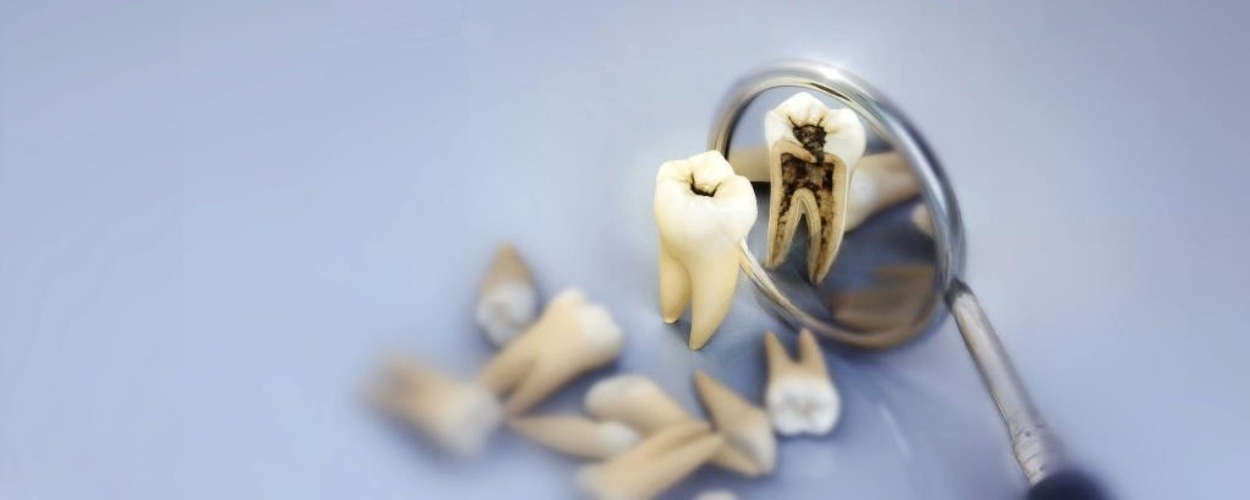
Dental pulpitis is the inflammation of the dental pulp—the soft tissue inside your teeth that contains nerves, blood vessels, and connective tissue. The pulp plays a critical role in tooth vitality and overall oral health. When it becomes inflamed, it can cause sharp, lingering pain, and if left untreated, it can progress to serious conditions.
There are two types of pulpitis:
- Reversible pulpitis – A mild form of inflammation that usually resolves once the cause is addressed. Pain is short-lived, triggered by hot, cold, or sweet foods.
- Irreversible pulpitis – A severe, permanent inflammation where the pulp cannot heal. Pain may be spontaneous, persistent, and can radiate to nearby areas, such as the jaw or ear. If untreated, this can lead to dental abscesses or systemic infections.
For more detailed information about dental procedures, visit emergency dental services.
Common Symptoms of Dental Pulpitis
Recognizing the early signs of dental pulpitis is essential for preventing the condition from progressing into something more serious. Many of these symptoms may start subtly but can quickly worsen if left untreated.
- Persistent tooth pain: Unlike ordinary sensitivity, pulpitis pain is more intense and often triggered by hot, cold, or sugary foods and drinks. The discomfort may feel sharp, throbbing, or sudden, making everyday activities like eating or drinking uncomfortable.
- Lingering discomfort: A hallmark sign of pulpitis is that the pain does not fade immediately once the trigger (like ice water or sweets) is removed. Instead, the discomfort lingers, signaling that the pulp inside the tooth is inflamed and irritated.
- Swollen or tender gums: In some cases, the tissues around the affected tooth may also become inflamed, leading to visible swelling, redness, or tenderness when touched. This can be an indication that the infection is spreading beyond the tooth itself.
- Night pain: Pulpitis pain often worsens at night when lying down, due to increased blood flow to the head. This throbbing pain can be severe enough to interrupt sleep and make it difficult to rest.
- Referred pain: Because the nerves in the dental pulp are connected to surrounding areas, discomfort may radiate beyond the tooth. Patients often report headaches, earaches, or jaw pain that can make it difficult to pinpoint the exact source of the problem.
If you experience these symptoms, scheduling an appointment with a professional is crucial. You can reach out via our contact us page.
Causes of Dental Pulpitis
Several factors contribute to the development of pulpitis:
- Tooth decay: The most common cause, where bacteria reach the pulp through cavities.
- Cracked or broken teeth: Trauma can expose the pulp to infection. Learn more at cracked or broken teeth services.
- Dental procedures: Deep fillings or restorations may irritate the pulp.
- Traumatic injuries: Accidents or impacts can damage the pulp tissue. See traumatic dental injuries.
- Gum disease or infections: Severe periodontal issues can spread bacteria to the pulp.
Why Your Toothache Could Be More Serious?
Many people underestimate tooth pain, assuming it will subside on its own. However, untreated pulpitis can escalate:
- Progression to irreversible pulpitis: Mild inflammation may worsen, resulting in persistent, severe pain.
- Dental abscess formation: Infection may spread to surrounding tissues, forming a pus-filled abscess that requires urgent care.
- Bone infection (osteomyelitis): In rare cases, bacteria can infiltrate the jawbone.
- Systemic complications: Severe untreated infections can impact overall health, potentially spreading beyond the mouth.
Understanding the severity of your toothache is critical. If you notice these warning signs, it’s essential to act quickly and consult an expert in emergency dental care, such as emergency dental services.
Diagnosis and Treatment Options
Dental professionals use several techniques to diagnose pulpitis:
- Clinical examination: Dentists check for decay, cracks, or other visible signs of pulp inflammation.
- X-rays: Imaging helps detect deep decay, abscesses, or bone involvement.
- Pulp vitality tests: These tests determine the health of the pulp and guide treatment decisions.
Treatment depends on the severity:
- Reversible pulpitis: Often treated with cavity fillings, fluoride applications, or desensitizing agents to alleviate pain and prevent further inflammation.
- Irreversible pulpitis: Typically requires root canal therapy, where the infected pulp is removed, the canals are disinfected, and the tooth is restored. Learn more at root canal services. In severe cases, extraction may be necessary.
For more complex restorative options, including full-mouth rehabilitation or implants, explore restorative Services.
Preventing Dental Pulpitis
Prevention is always better than treatment. Effective strategies include:
- Good oral hygiene: Brush twice daily, floss, and use an antibacterial mouthwash.
- Regular dental checkups: Early detection of cavities or fractures can prevent pulpitis.
- Healthy diet: Limit sugary and acidic foods that promote decay.
- Timely treatment of dental issues: Addressing minor problems quickly reduces the risk of pulp inflammation.
When to Seek Immediate Care?
Seek professional dental care if you notice:
- Pain lasting more than a couple of days.
- Swelling, redness, or pus around a tooth.
- Fever or other systemic symptoms.
- Pain interfering with sleep or daily activities.
Prompt attention not only alleviates discomfort but also preserves tooth structure and prevents more serious complications. You can reach a trusted provider through our contact us page.
Conclusion
Dental pulpitis is more than just a toothache—it’s an inflammation of the tooth’s core that can lead to severe complications if ignored. Recognizing the symptoms early, understanding the causes, and seeking professional care are essential steps to preserving your teeth and overall oral health.
Remember, even minor tooth pain can signal a more serious problem. Timely diagnosis and treatment, ranging from root canals to restorative procedures, can save your tooth and protect your smile.
Your oral health is worth it, and early intervention ensures a healthy, pain-free smile for life.