
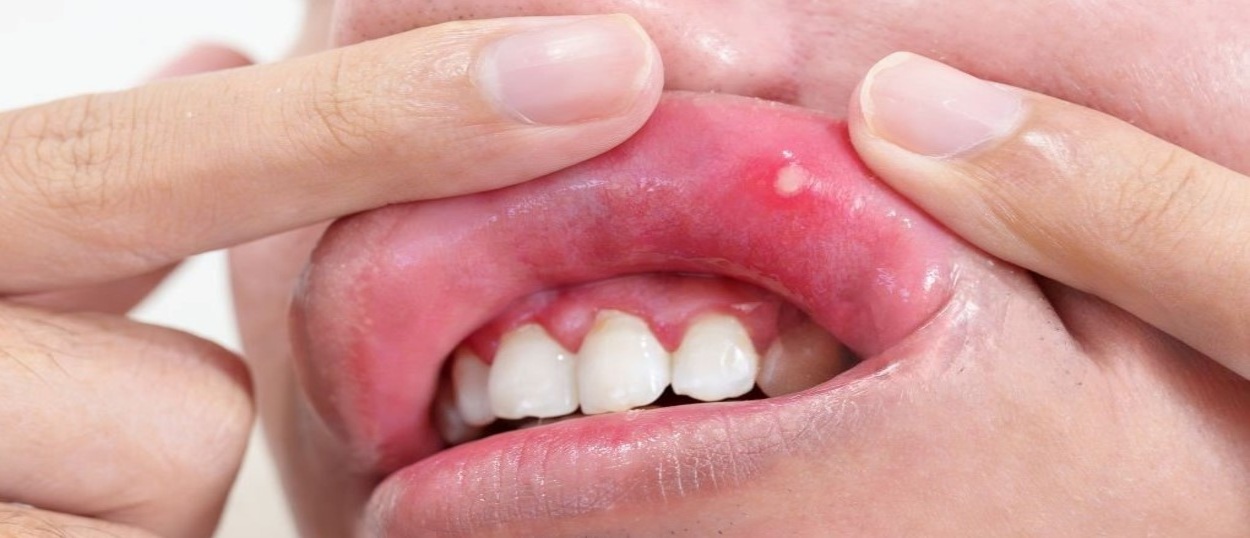
Noticing unusual lumps, bumps, or swelling in your mouth can be unsettling. While many oral cysts and tumors are benign and harmless, some may indicate serious dental or medical conditions. Understanding the types, causes, symptoms, and treatment options is essential to maintaining optimal oral health and preventing complications.
Understanding Oral Cysts and Tumors
Oral cysts are fluid-filled sacs that can develop within the tissues of the mouth, often around the teeth, gums, or jawbone. Oral tumors are abnormal growths of tissue, which may be either benign (non-cancerous) or malignant (cancerous). Early detection and evaluation are critical because while benign growths may cause minor discomfort or cosmetic concerns, malignant tumors require prompt intervention to prevent serious health consequences.
For more information about oral evaluation and emergency dental care, visit emergency dental services.
Common Types of Oral Cysts
Oral cysts are typically slow-growing and painless, but they can sometimes cause swelling or displace teeth. Common types include:
- Odontogenic cysts: Develop from tissues involved in tooth formation and often appear around impacted teeth.
- Non-odontogenic cysts: Form in other oral tissues and can vary in size and location.
Symptoms of cysts may include localized swelling, slight discomfort, or a visible lump, but many cysts are discovered during routine dental X-rays. Early evaluation ensures they do not grow large enough to interfere with teeth or jaw structure.
Common Types of Oral Tumors
Oral tumors can range from harmless growths to aggressive cancers:
- Benign tumors: Fibromas, lipomas, and papillomas are non-cancerous growths that may require removal if they interfere with function or aesthetics.
- Malignant tumors: Oral squamous cell carcinoma, melanomas, and other cancers can be life-threatening if not diagnosed early.
Symptoms of oral tumors include persistent lumps, bleeding, ulcers, pain, or difficulty chewing, swallowing, or speaking. Any of these signs should prompt immediate dental evaluation.
For issues like persistent lesions or suspicious growths, dental surgery services may be recommended.
Warning Signs That Require Immediate Attention
Not all oral growths are dangerous, but certain warning signs suggest a need for prompt professional evaluation:
- Rapid growth of a lump or mass in the mouth.
- Persistent pain or discomfort around the affected area.
- Bleeding, open sores, or ulcers that do not heal.
- Numbness, tingling, or difficulty speaking, chewing, or swallowing.
- Changes in tooth position or jaw swelling.
If you notice any of these symptoms, early intervention is crucial to prevent serious complications and ensure effective treatment.
Causes and Risk Factors
Several factors can contribute to the development of oral cysts and tumors:
- Chronic irritation or trauma: Biting, poorly fitting dental appliances, or repeated irritation may trigger abnormal tissue growth.
- Poor oral hygiene: Untreated dental infections or periodontal disease can increase the risk of cyst formation.
- Tobacco and alcohol use: Both are major risk factors for malignant oral tumors.
- Genetic predisposition: Family history can influence the likelihood of certain cysts or tumors.
- Previous oral conditions: Prior cysts, tumors, or dental trauma may increase susceptibility.
Understanding these risk factors allows patients to take preventive measures and remain vigilant about changes in oral health.
Diagnosis and Professional Evaluation
Accurate diagnosis is essential to determine the nature of a cyst or tumor. Dentists or oral surgeons typically use the following methods:
- Clinical examination: Checking for visible lumps, swelling, or ulcers.
- Imaging: X-rays, CT scans, or MRI can reveal the size, location, and impact on surrounding tissues.
- Biopsy: A small tissue sample may be taken to confirm whether the growth is benign or malignant.
Timely evaluation ensures that treatment can begin before the growth causes complications or spreads. For professional assessment, consult emergency dental services.
Treatment Options
Treatment depends on the type, size, and location of the cyst or tumor:
- For cysts: Small, asymptomatic cysts may simply be monitored. Larger or symptomatic cysts are often surgically removed to prevent damage to surrounding teeth or bone.
- For benign tumors: Depending on size and location, removal may be recommended to prevent interference with oral function or aesthetics.
- For malignant tumors: Comprehensive treatment may involve surgery, radiation therapy, and/or chemotherapy to remove the tumor and reduce the risk of recurrence.
Early detection and treatment significantly improve outcomes and preserve oral health. Advanced restorative procedures, such as full-mouth reconstruction, may be required in cases of extensive tissue removal.
Prevention and Monitoring
While not all cysts or tumors can be prevented, certain steps can reduce risk and ensure early detection:
- Regular dental checkups: Routine exams help identify abnormal growths early.
- Maintain good oral hygiene: Brushing, flossing, and professional cleanings prevent infections that can contribute to cyst formation.
- Avoid tobacco and excessive alcohol use: Reduces the risk of oral cancers.
- Protect teeth from trauma: Use mouthguards during sports or activities that risk oral injury.
- Monitor oral changes: Any unusual lumps, swelling, or sores should be reported to a dentist promptly.
For guidance on long-term oral health, consider teeth for life services.
When to See a Dentist or Specialist?
Seek professional care immediately if you notice:
- Persistent or rapidly growing lumps or bumps in the mouth.
- Painful or bleeding lesions.
- Difficulty chewing, swallowing, or speaking.
- Numbness or tingling in the mouth, lips, or jaw.
Early evaluation by a qualified dentist or oral surgeon is crucial. You can schedule an appointment through our contact us page to ensure timely assessment and care.
Conclusion
Oral cysts and tumors can range from harmless growths to serious medical conditions. While most cysts are benign, any unusual lump, swelling, or persistent oral lesion should be evaluated promptly. Early detection improves treatment outcomes, preserves oral health, and prevents complications.
Monitoring your oral health, maintaining regular dental checkups, and seeking professional evaluation for any changes are key steps to ensuring your mouth remains healthy and functional. Don’t ignore unusual lumps or persistent sores—schedule your appointment with your dental specialists.