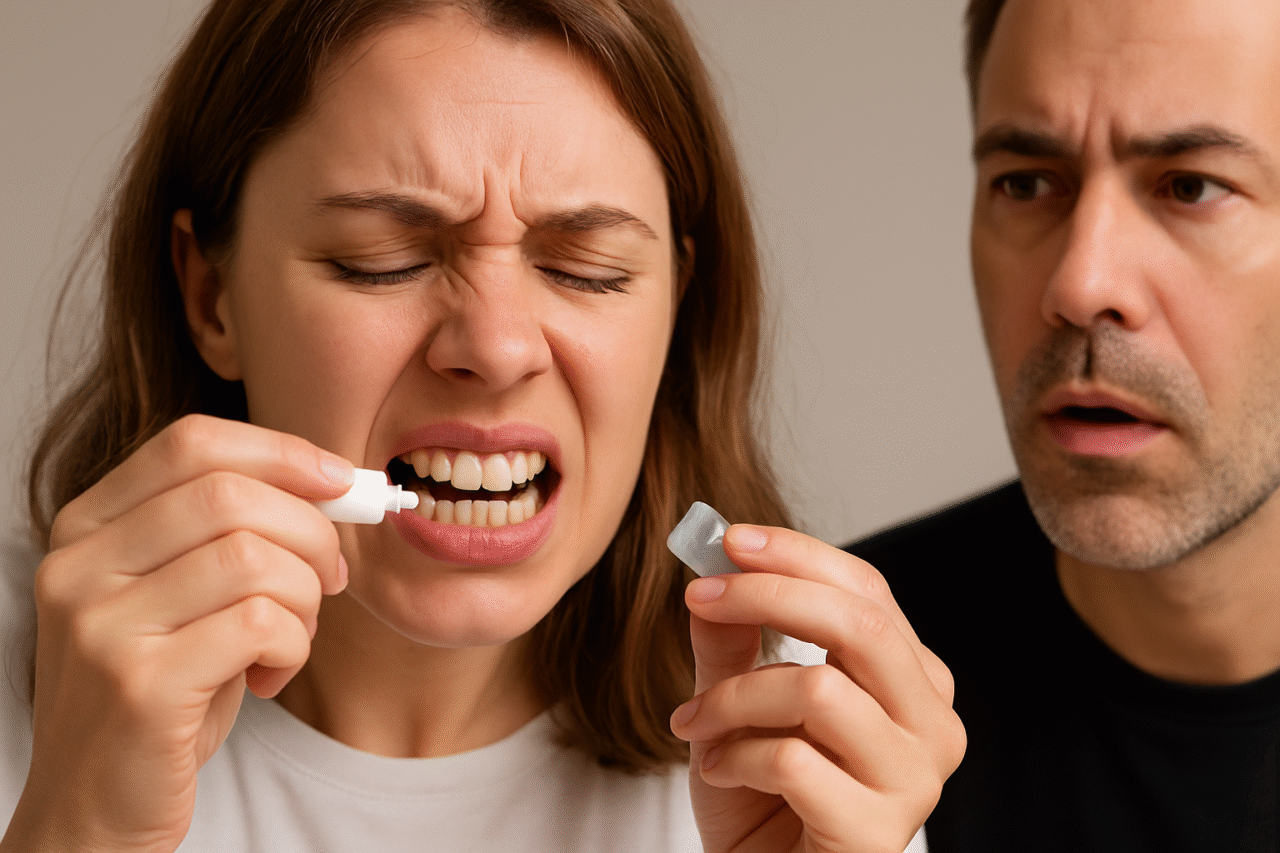
In an age where YouTube tutorials and TikTok hacks promise quick fixes for everything from clogged sinks to skincare routines, it’s no surprise that DIY dental fixes are gaining traction online. From at-home tooth fillings to paperclip braces, people are attempting to handle dental issues themselves—often with dangerous consequences.
At NW Emergency Dentist, we’ve seen a growing number of emergency visits caused by these so-called “life hacks.” While they may appear harmless, these shortcuts can quickly turn minor dental issues into serious, costly emergencies.
In this blog, we’ll break down why DIY dental care is a bad idea, what risks it poses, and why professional treatment is always the right choice for your oral health.
What Are DIY Dental Fixes?
DIY dental fixes refer to any non-professional attempt to treat dental issues at home using store-bought materials, household items, or over-the-counter kits. Common examples include:
- Gluing in a broken crown or veneer using superglue
- Using over-the-counter filling kits to fix cavities
- Aligning teeth with rubber bands or DIY braces
- Whitening teeth with baking soda, lemon juice, or hydrogen peroxide
- Attempting to extract a loose tooth at home
- Using nail files to “reshape” chipped teeth
While these methods might seem like temporary solutions, they often lead to long-term damage, infections, and dental emergencies.
Why People Try DIY Dental Fixes?
There are several reasons people turn to DIY dental care, including:
- Cost concerns
- Fear of the dentist or dental procedures
- Lack of dental insurance
- Misinformation online or on social media
- Belief that the problem is “too small” for a dentist
But no matter how small the problem seems, addressing it the wrong way can cause far bigger issues—many of which require emergency treatment.
The Risks of DIY Dental Fixes
-
Permanent Tooth Damage
Applying household adhesives or hardware to teeth can destroy enamel, irritate gums, and damage surrounding tissue. In some cases, the damage is irreversible and may lead to tooth loss.
-
Infection and Abscesses
Improper hygiene, poor technique, and the use of non-sterile tools can introduce harmful bacteria into the mouth. This can lead to painful infections, abscesses, and systemic complications if left untreated.
-
Jaw Misalignment
DIY braces using rubber bands or paperclips can move your teeth in unnatural ways, leading to bite problems, nerve damage, and bone deterioration.
-
Chemical Burns and Tooth Sensitivity
Using lemon juice, baking soda, or hydrogen peroxide to whiten teeth might remove stains—but they also erode enamel and can cause chemical burns to gums and soft tissues.
-
Masking Deeper Problems
Covering up a cracked tooth or filling a cavity at home may hide the problem, but it doesn’t treat the underlying cause. You might miss early signs of infection, decay, or nerve involvement.
Concerned about cost? We offer flexible treatment options. Learn more on our Restorative Services page.
Real Stories from the Emergency Room
At NW Emergency Dentist, we recently treated a patient who used superglue to reattach a crown that had fallen off. Within hours, they experienced swelling, pain, and chemical burns on the gums. X-rays revealed that the crown was misaligned—trapping bacteria underneath and inflaming the surrounding tissue.
What could’ve been a 20-minute re-cementing procedure turned into a root canal and gum treatment due to complications.
What You Should Do Instead?
If you’re facing a dental issue—no matter how small—here’s what you should do:
Temporary Measures Until You See a Dentist:
- Use dental wax to cover sharp edges from chipped teeth
- Rinse with warm salt water to ease discomfort and reduce bacteria
- Take over-the-counter pain relief if advised by a professional
- Use orthodontic wax to protect gums from poking wires
- Keep the broken crown, filling, or veneer in a clean container to bring with you
Why Professional Dental Care Matters?
Here’s what you get with professional dental treatment:
- Proper diagnosis using digital imaging
- Sterile tools and safe materials
- Customized treatment based on your medical history
- Long-term solutions, not short-term patches
- Follow-up care and prevention planning
We’re not just here to treat symptoms—we’re here to protect your total oral health.
Prevention Is Always Better Than a DIY Cure
The best way to avoid the temptation of DIY fixes? Prevent problems from occurring in the first place.
Here’s how:
- Brush twice a day with fluoride toothpaste
- Floss daily to remove plaque from between teeth
- Schedule a dental checkup every 6 months
- Treat small problems early before they escalate
- Avoid using teeth as tools (like opening bottle caps)
Explore our Preventive Dental Services for customized care that keeps you out of the emergency chair.
When to See NW Emergency Dentist?
Don’t let a minor issue turn into a major dental emergency. Contact us right away if:
- You’ve chipped, cracked, or lost a tooth
- You feel a crown or filling becoming loose
- You notice swelling, pain, or signs of infection
- You’ve attempted a DIY fix that didn’t go as planned
- You have bleeding or severe sensitivity that doesn’t go away
Use our Contact Page to get expert help fast.
Conclusion
DIY dental fixes might seem like a clever way to save money or time—but in reality, they’re a risky shortcut that can cost you more in the long run. Your teeth are too valuable to risk on home remedies or viral trends.
At NW Emergency Dentist, we offer safe, affordable, and expert dental care tailored to your needs. Whether you’re dealing with a minor issue or an urgent problem, our team is ready to restore your smile—with the right tools, training, and care.
FAQs:
Q1: Are store-bought dental repair kits safe?
Some may offer short-term relief, but they are not a substitute for professional dental care. Improper use can worsen the issue.
Q2: Can I fix a loose crown at home?
No. Reattaching a crown with glue can lead to misalignment and infection. Always bring the crown to your dentist.
Q3: Is it okay to use baking soda or lemon for whitening?
Absolutely not. These are abrasive and acidic, leading to enamel erosion and long-term sensitivity.
Q4: What’s the safest way to manage pain at home?
Rinse with warm salt water and take approved OTC pain relief. Avoid heat compresses unless advised.