
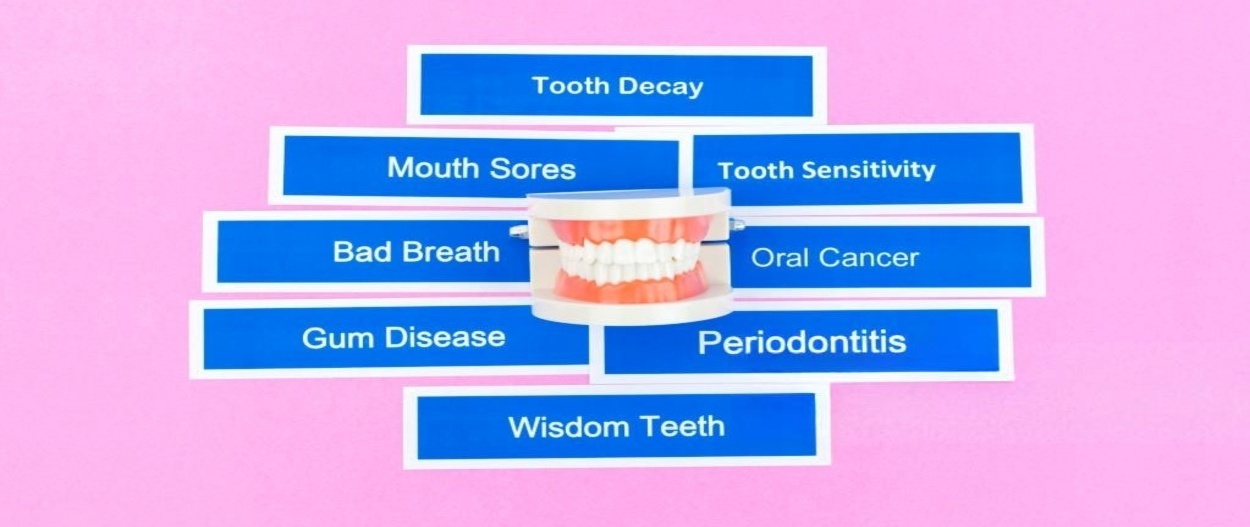
Gum disease is one of the most common oral health problems worldwide, yet many people underestimate how serious it can become. Often starting with mild symptoms like bleeding gums or bad breath, gum disease can quickly progress into a condition that threatens not only your smile but also your overall health. Left untreated, it can cause tooth loss, jawbone deterioration, and even contribute to systemic health issues like heart disease and diabetes.
Understanding what gum disease is, how it starts, and when it becomes dangerous is the first step to protecting your oral health.
What Is Gum Disease?
Gum disease, also known as periodontal disease, is a bacterial infection of the gums that develops when plaque builds up on the teeth and isn’t removed effectively.
There are two main stages:
- Gingivitis – This is the early and most common form of gum disease. Symptoms include redness, swelling, and bleeding gums, especially during brushing or flossing. Gingivitis is reversible with timely treatment and good oral hygiene.
- Periodontitis – If gingivitis is left untreated, it can advance into periodontitis. At this stage, bacteria spread deeper into the gums, damaging the bone and tissues that support teeth. Without professional care, this can result in loose teeth or even tooth loss.
While gingivitis may seem minor, it’s the gateway to much more severe complications if ignored.
How Gum Disease Starts?
The journey of gum disease begins with plaque, a sticky film of bacteria that constantly forms on your teeth. If plaque isn’t removed by daily brushing and flossing, it hardens into tartar, which can only be cleaned by a dentist.
Several factors contribute to the onset and progression of gum disease:
- Poor Oral Hygiene – Infrequent brushing, skipping flossing, or irregular dental visits all increase risk.
- Smoking or Tobacco Use – Smoking weakens your immune system, making it harder to fight infections in the gums.
- Health Conditions – Diabetes, stress, and hormonal changes can make gums more susceptible.
- Genetics – Family history can also play a role in susceptibility to periodontal disease.
Early warning signs often go unnoticed, such as mild gum bleeding or a change in breath odor. Unfortunately, these are often dismissed until the condition worsens.
Stages of Gum Disease
- Gingivitis – The earliest stage, marked by swollen or bleeding gums. With good oral care and professional cleanings, gingivitis is reversible.
- Mild Periodontitis – At this stage, bacteria begin damaging bone and connective tissue. Pockets form between the teeth and gums, trapping more plaque and bacteria.
- Moderate to Severe Periodontitis – Gums pull away from teeth, bone loss becomes significant, and teeth may loosen. In advanced cases, tooth loss occurs, and restorative options like full mouth reconstruction may be necessary.
Understanding these stages is critical, as the earlier gum disease is treated, the easier it is to manage and reverse.
When Gum Disease Becomes Dangerous?
Gum disease doesn’t just affect your mouth; it can impact your entire body. Research has linked untreated periodontal disease to several systemic health concerns:
- Heart Disease – Bacteria from infected gums can enter the bloodstream, increasing the risk of heart attack and stroke.
- Diabetes Complications – Gum disease makes it harder to control blood sugar levels, creating a cycle of poor health.
- Pregnancy Risks – Periodontal disease has been linked to premature birth and low birth weight.
- Tooth Loss and Bone Deterioration – As the disease advances, teeth loosen, and the jawbone weakens, making restorative treatments more complex.
When gum infections become painful, cause swelling, or interfere with daily activities like eating, it’s time to seek emergency dental services in Issaquah. Ignoring these warning signs can lead to irreversible consequences.
Treatment and Prevention
The good news is that gum disease can be managed and in its early stages, reversed with proper care.
Professional Treatments:
- Deep Cleaning (Scaling and Root Planing) – Removes tartar and bacteria from below the gumline.
- Antibiotics – Used to fight persistent bacterial infections.
- Surgical Options – In advanced cases, procedures such as flap surgery or bone grafting may be necessary.
At-Home Prevention:
- Brush twice daily with fluoride toothpaste.
- Floss at least once a day to remove plaque between teeth.
- Use an antibacterial mouthwash to reduce bacteria.
- Maintain a balanced diet rich in vitamins C and D for gum support.
- Schedule dental checkups and cleanings every six months.
The key is consistency, both at home and with professional care.
When to Seek Immediate Dental Care?
Not all gum disease requires emergency treatment, but certain symptoms mean it’s time to act quickly. Seek urgent care if you experience:
- Severe gum swelling or pain
- Pus or abscesses along the gumline
- Teeth that feel loose or shifting
- Difficulty eating due to discomfort
In such cases, clinics like NW Emergency Dentist in Issaquah are equipped to provide urgent care for gum infections, extractions, or restorative procedures. For patients with dental anxiety, options such as sedation dentistry ensure treatment is as comfortable and stress-free as possible.
Conclusion
Gum disease is far more than just bleeding gums, it’s a progressive condition that can impact your entire body if left untreated. From its early stage of gingivitis to advanced periodontitis, the risks grow with time, leading to pain, tooth loss, and even systemic health issues.
The key to avoiding these outcomes lies in prevention and early intervention. Regular dental checkups, good oral hygiene habits, and prompt attention to warning signs are your best defenses.
If you’re experiencing symptoms of gum disease or if it has already progressed, don’t wait until it becomes an emergency. Visit trusted professionals like NW Emergency Dentist in Issaquah, who provide comprehensive and compassionate care to protect your gums, your smile, and your overall health.