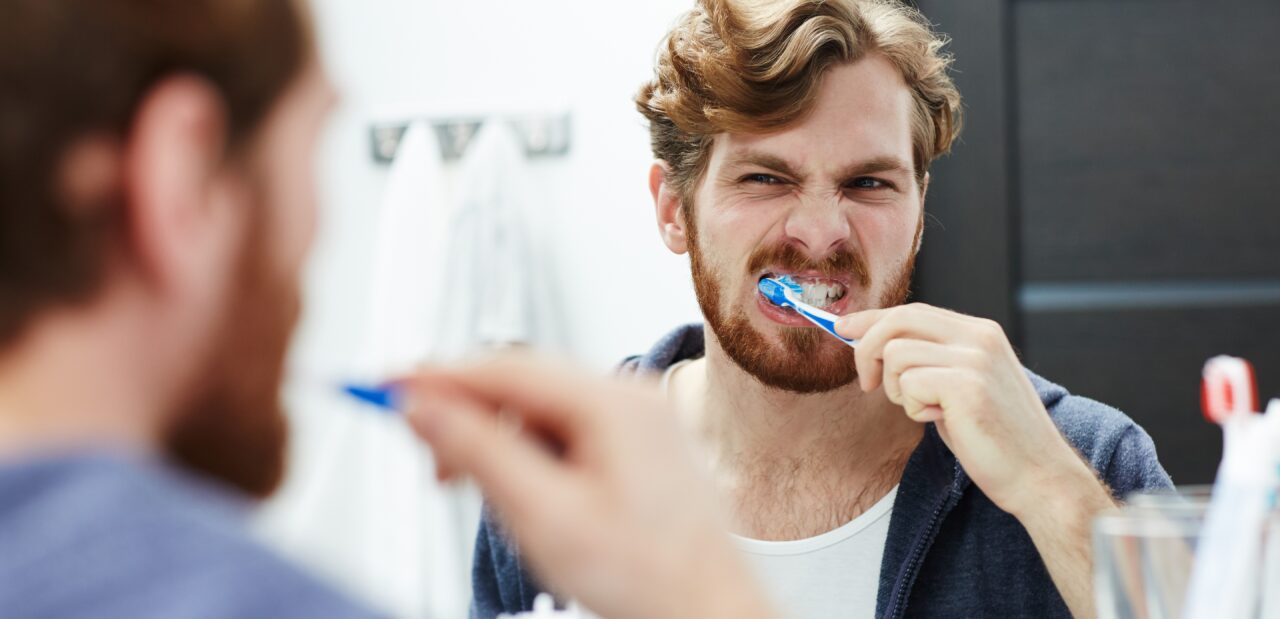
Morning routines are meant to energize you, prepare you for the day, and keep you healthy. But what if the very habits you’ve developed to start your day are actually damaging your teeth?
At NW Emergency Dentist, we regularly see patients surprised by how simple daily rituals can contribute to tooth sensitivity, enamel erosion, and even emergency dental issues. In this blog, we break down common mistakes and provide easy fixes to keep your smile strong and protected.
Brushing Too Soon After Waking Up or Eating
You might think brushing your teeth immediately after breakfast—or even as soon as you wake up—is a good habit. But doing so could actually wear down your enamel.
Why Timing Matters for Enamel Protection?
After eating, especially foods high in acidity like citrus or fruit juice, your enamel becomes temporarily softened. Brushing during this window can cause enamel erosion over time.
The Ideal Time to Brush in the Morning
Experts recommend brushing before breakfast. This clears away overnight bacteria and gives your teeth a fluoride barrier before they’re exposed to food. If you must brush after eating, wait at least 30 minutes to give your enamel time to recover.
Using the Wrong Toothbrush or Technique
Not all toothbrushes are created equal—and neither are brushing techniques.
Hard Bristles, Harsh Results
While it might seem like hard bristles offer a deeper clean, they can actually irritate your gums and wear down enamel. Over time, this can lead to tooth sensitivity and gum recession.
The Right Way to Brush Without Causing Damage
Use a soft-bristled toothbrush and gentle circular motions. Brushing too aggressively can do more harm than good. Replace your brush every 3–4 months, or sooner if bristles are frayed.
Skipping Breakfast—or Choosing the Wrong One
Morning fuel impacts more than just your energy levels—it also affects your dental health.
Acidic and Sugary Foods to Avoid
Common breakfast staples like fruit juice, sugary cereals, and pastries bathe your teeth in sugar and acid. These substances encourage bacterial growth and enamel breakdown, increasing your risk of cavities.
Tooth-Friendly Breakfast Ideas
Go for whole foods like eggs, whole grain toast, yogurt (with no added sugar), or oatmeal. Drinking water alongside your meal helps rinse away debris and acids.
Morning Beverages That Harm Your Smile
A hot cup of coffee or tea may be your go-to, but they come with dental risks.
Coffee, Juice, and Their Hidden Dangers
Coffee is acidic and stains enamel, while juices—especially citrus—are sugar-laden and erosive. Regular exposure without proper care can lead to discoloration, cavities, and enamel thinning.
How to Enjoy Your Favorite Drink Without Tooth Damage?
Sip coffee or juice through a straw to minimize contact with teeth. Rinse your mouth with water afterward and avoid brushing for 30 minutes if consuming acidic drinks.
Not Flossing or Using Mouthwash Properly
Brushing alone only cleans 60% of your tooth surfaces. The rest is left vulnerable if you skip flossing or misapply mouthwash.
Why Brushing Isn’t Enough?
Plaque and food particles hide between teeth and along the gumline. Skipping flossing allows bacteria to thrive, which can lead to gingivitis and cavities.
The Correct Order for Floss, Brush, and Rinse
Floss before brushing to remove particles and allow toothpaste to reach every surface. Use alcohol-free mouthwash afterward to kill lingering bacteria and freshen your breath.
Explore our preventive dental care services to learn how proper hygiene can reduce the risk of emergency visits.
Stressful Mornings = Teeth Grinding and Jaw Tension
Do you clench your jaw when you’re running late? Stress and anxiety can manifest as bruxism (teeth grinding)—especially in the morning.
The Morning Bruxism Connection
Over time, grinding can lead to cracked teeth, worn enamel, TMJ disorders, and jaw pain. Many people don’t even realize they’re doing it.
How to Relax Your Jaw and Prevent TMJ Issues?
Practice deep breathing or light stretching in the morning. Consider wearing a custom nightguard if you notice jaw soreness or headaches. If symptoms persist, schedule an evaluation with NW Emergency Dentist.
Easy Fixes for a Healthier Morning Routine
The good news? Most harmful morning habits are easy to correct.
A Step-by-Step Dental-Friendly Morning Guide
- Floss first to remove hidden debris
- Brush with a fluoride toothpaste (before breakfast if possible)
- Eat a tooth-friendly breakfast with minimal sugar and acidity
- Drink water throughout your routine to rinse and rehydrate
- Avoid brushing immediately after acidic foods or beverages
- Use mouthwash after brushing for added protection
Products That Support Enamel and Gum Health
Look for products that contain fluoride, xylitol, and are ADA-approved. Using a sonic toothbrush and sugar-free gum can also support healthier habits throughout the day.
When to See a Dentist: Catching Damage Early
If you’ve been following a routine that includes any of the above habits, you might already be experiencing early warning signs.
Signs Your Routine Might Already Be Hurting You
- Increased sensitivity to hot or cold
- Discoloration or enamel thinning
- Bleeding gums when brushing
- Jaw tightness or clicking sounds
- Visible notches at the gumline
How NW Emergency Dentist Can Help?
Our team provides comprehensive exams, preventive care, and emergency treatment to help you identify and reverse damage. Whether you need a deep cleaning, fluoride treatment, or a custom solution for grinding, we’ve got you covered.
Schedule an appointment today to take charge of your dental health before a minor issue turns into a major emergency.
Small Changes, Big Protection
Your morning routine should protect your body and your smile. By becoming mindful of your dental habits and making small, intentional changes, you can prevent enamel damage, gum disease, and dental emergencies. At NW Emergency Dentist, we believe that prevention is the best kind of care—and it starts with education and smart choices every day.

2 comments
Jeremiah4210
at 5:40 am
https://shorturl.fm/2ENFM
Anahi3504
at 11:48 pm
https://shorturl.fm/9zE2P