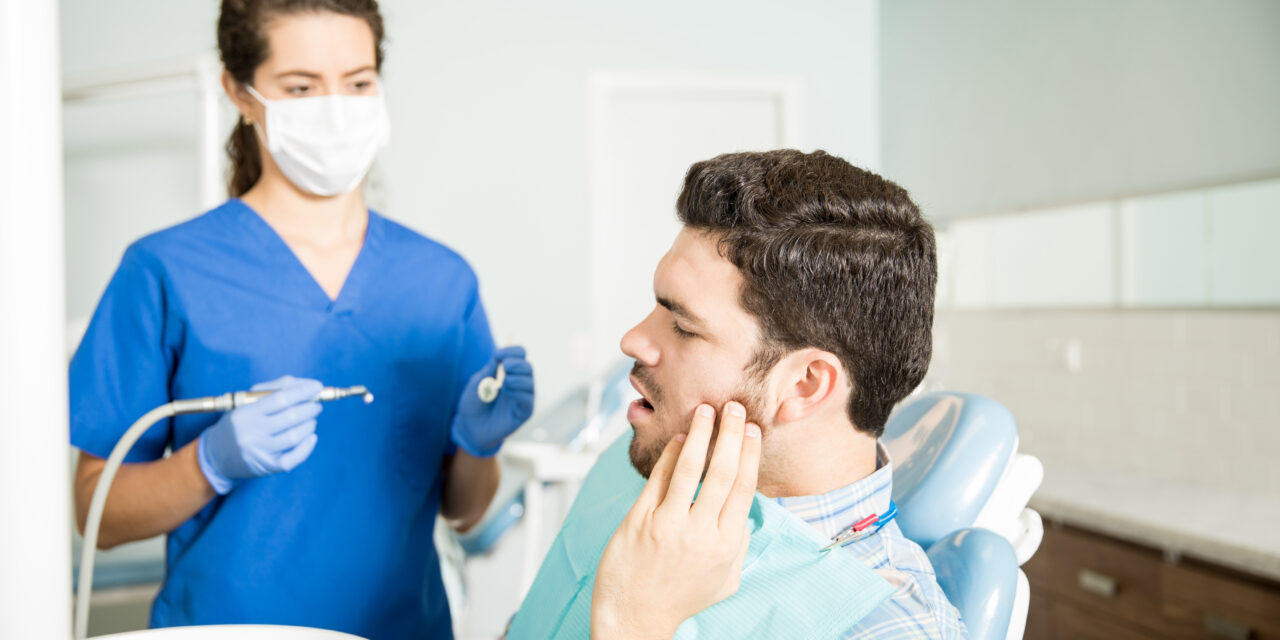

One of the most difficult conversations in dentistry is deciding whether a tooth should be saved or removed. Patients often come in expecting a clear answer, but the decision is rarely based on a single factor. In many cases, the tooth is already at a stage where both options are possible but only one is...
A tooth is rarely removed without reason. In most cases, it reaches a point where keeping it is no longer predictable or safe. Patients often come in hoping the tooth can still be saved, especially if the pain is recent or not constant. But what matters is not just how the tooth feels—it’s the condition...
When a tooth starts hurting from the inside, the problem is often deeper than what you can see. Many patients assume it’s just a cavity or something minor, but in some cases, the issue lies within the inner part of the tooth. This is when a root canal is usually recommended. It’s not suggested casually—it’s...
A dental problem doesn’t always give you time to plan. You might go to bed with everything feeling normal and wake up with a sharp pain while chewing, or notice swelling that wasn’t there the day before. These situations catch people off guard, especially when they have work, family commitments, or no time to schedule...
Many patients visit a dental clinic expecting a simple filling, only to be told that the tooth needs something more. This often creates confusion. If the tooth is still there and not causing severe pain, why isn’t a filling enough? The answer usually comes down to how much of the tooth structure is left and...
When a cavity is treated, one of the first questions patients often have is about the type of filling being used. While the goal of any filling is the same to restore the damaged part of a tooth, the material used can vary depending on the situation. Modern dentistry offers several types of dental fillings,...
Most people focus on their teeth when thinking about oral health, but the gumline plays an equally important role. It acts as a protective seal around each tooth, helping keep bacteria away from sensitive areas beneath the surface. When the gumline is healthy, it supports the teeth and keeps them stable. When it is neglected,...
Gums don’t usually get much attention until something starts to feel different. One of the most common changes people notice over time is that their teeth begin to look slightly longer or more exposed. This is often a sign of gum recession. Gum recession happens when the gum line slowly moves away from the tooth,...
Teeth don’t change suddenly. Most changes happen slowly over the years, which is why many people don’t notice them at first. A tooth that once felt strong may begin to feel slightly sensitive. Edges that were once sharp may become smoother. These changes are often gradual and easy to ignore. For many adults, these shifts...
Losing a tooth is not always painful, but it does change how your mouth functions. Some people get used to the gap and delay treatment, especially if it is not immediately visible. What often goes unnoticed is how that empty space affects nearby teeth over time. Dental bridges are one of the common ways dentists...