
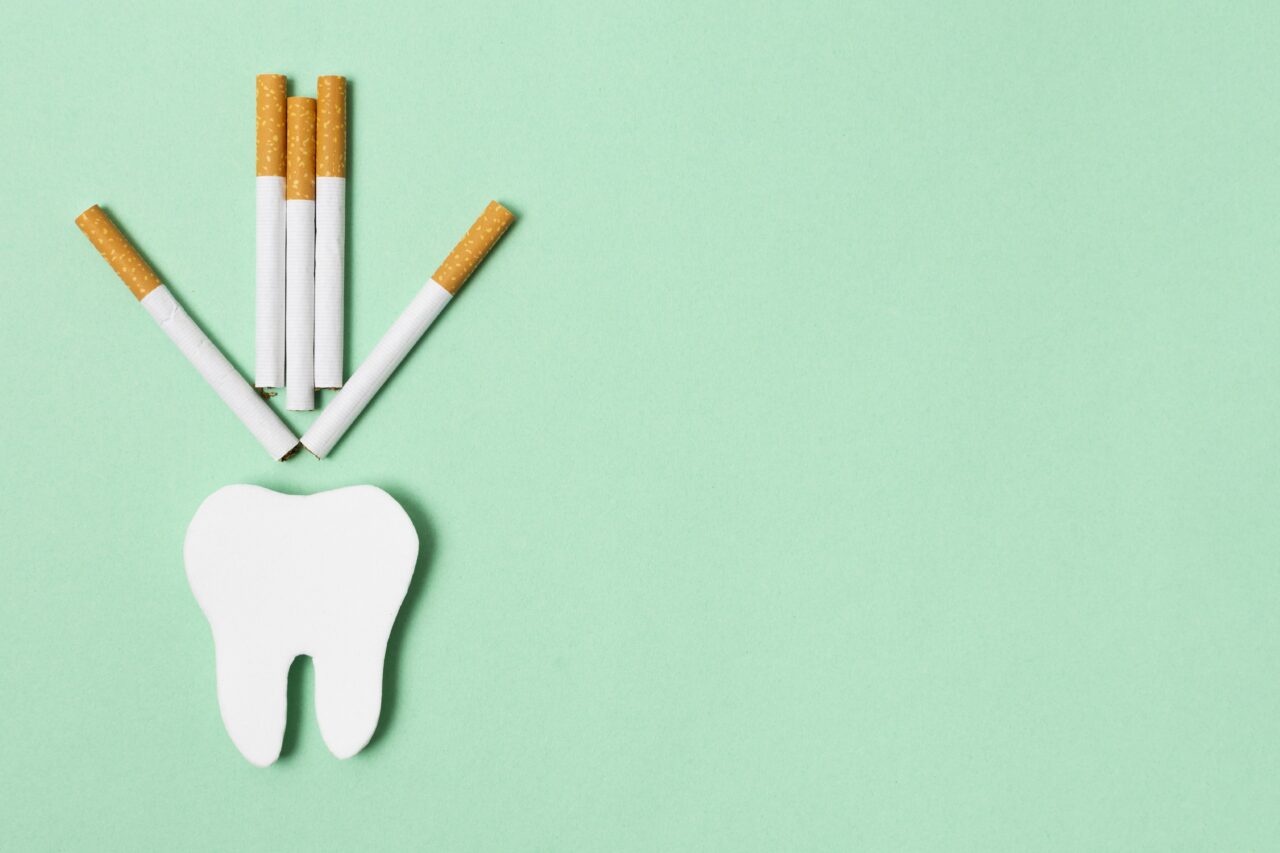
Smoking affects far more than the appearance of the teeth. Over time, it influences the gums, supporting bone, saliva, soft tissues, and the mouth’s natural ability to respond to irritation and heal after injury or dental treatment. Many of these changes develop gradually, making them difficult to recognise during their early stages.
Unlike a sudden dental injury, the effects of smoking on the mouth often accumulate over many years. Because discomfort is not always present, changes may continue progressing before they become noticeable during everyday activities such as eating, brushing, or speaking.
At NW Emergency Dentist, comprehensive dental evaluations consider not only the condition of the teeth but also the health of the gums, supporting tissues, and oral mucosa. Understanding how smoking influences these structures allows treatment recommendations to focus on preserving long-term oral health through early diagnosis and appropriate preventive care.
Smoking Changes the Environment Inside the Mouth
The mouth maintains a delicate balance between the teeth, gums, saliva, beneficial bacteria, and the body’s natural immune response. Smoking gradually alters several of these protective mechanisms.
Reduced blood circulation within the gum tissues may affect how the body responds to irritation and inflammation. Saliva production and composition can also change, influencing the mouth’s natural ability to help cleanse tooth surfaces and maintain a healthy oral environment. These biological changes do not necessarily produce immediate symptoms, but they can contribute to gradual deterioration if left unmonitored.
One of the conditions most closely associated with these long-term changes is gum disease. As inflammation progresses, the tissues supporting the teeth may slowly become less stable, often without causing significant pain during the early stages.
Many Changes Develop Gradually Rather Than Suddenly
One reason smoking-related oral health problems are sometimes overlooked is that they rarely appear overnight. Instead, they often progress slowly, allowing individuals to adapt to small changes without recognising that the condition of the mouth is evolving.
Over time, patients may notice:
- yellow or brown staining on the teeth
- persistent bad breath
- increased tartar accumulation
- gums that appear to recede
- occasional tooth sensitivity
- delayed healing after dental treatment
- changes in the appearance of existing restorations
While these findings may have different causes, they often warrant professional evaluation to determine whether smoking has contributed to the changes observed.
Regular professional dental cleaning plays an important role in removing hardened deposits that cannot be eliminated through brushing alone while allowing dentists to monitor changes in the teeth and supporting tissues over time.
Smoking Can Influence the Success of Dental Treatment
Healthy gums and surrounding bone provide the foundation for successful restorative and preventive dental care. Because smoking may affect circulation and tissue healing, treatment outcomes can sometimes differ from those seen in patients who do not smoke.
Following procedures such as periodontal therapy, tooth extractions, or restorative treatment, healthy healing depends on an adequate blood supply and a predictable inflammatory response. Smoking may influence these natural healing processes, making ongoing monitoring an important part of treatment planning.
Existing dental fillings, dental crowns, and other restorations also benefit from healthy surrounding tissues. Maintaining the health of the gums helps support the long-term stability of both natural teeth and restorative work.
Regular Examinations Become Increasingly Important
Because many smoking-related changes develop gradually, routine professional assessment provides information that cannot be obtained through symptoms alone.
During a comprehensive examination, dentists evaluate the teeth, gums, bite, existing restorations, and surrounding soft tissues. Dental x-rays may be recommended when clinically indicated to assess structures that cannot be examined visually, while an oral cancer screening allows the dentist to evaluate the lips, tongue, cheeks, palate, and other soft tissues for changes that may require further investigation.
For patients who have not had a dental evaluation for some time or who begin noticing gradual changes in their oral health, arranging same day dental appointments Issaquah allows these findings to be assessed promptly and helps establish an appropriate treatment plan based on the current clinical condition.
Some Smoking-Related Conditions Require Prompt Attention
Although many smoking-related changes develop slowly, certain symptoms should not be ignored because they may indicate that the condition has progressed beyond the early stages.
Professional evaluation is recommended if you experience:
- persistent tooth pain
- swelling around the gums or face
- bleeding that continues without improvement
- a loose tooth
- difficulty chewing comfortably
- sores inside the mouth that do not heal as expected
- sudden changes involving the gums or surrounding soft tissues
When these symptoms are present, seeking Urgent dental care allows the underlying condition to be diagnosed before additional damage affects the teeth or supporting tissues.
Infections May Become More Difficult to Ignore
Untreated tooth decay or advanced periodontal disease can eventually lead to infection. As inflammation progresses, patients may notice increasing discomfort, swelling, or changes that interfere with eating and speaking.
Receiving Emergency Dental Care at this stage allows the affected tooth or surrounding tissues to be examined promptly so that appropriate treatment can begin before the infection progresses further. Early intervention often helps preserve healthy oral structures and reduce the need for more extensive treatment.
Pain Is Often a Late Sign
One of the challenges associated with smoking-related oral health conditions is that pain frequently appears after the disease has already progressed.
Many patients seek professional care only when discomfort becomes severe enough to interfere with daily activities. It is common for individuals experiencing this level of pain to search for an Emergency dentist near me, even though the underlying condition may have been developing quietly for months or years. Recognising subtle changes before pain develops often provides greater opportunities for conservative treatment.
Prompt Assessment Helps Preserve Healthy Teeth
Smoking itself does not automatically lead to tooth loss, but untreated dental disease associated with smoking may gradually weaken the structures that support the teeth.
When persistent discomfort, loose teeth, or significant gum changes develop, visiting a walk in dentist in Issaquah allows a comprehensive assessment to determine the condition of the teeth, gums, supporting bone, and existing restorations. Treatment recommendations can then be prioritised according to the severity of the findings.
Access to Care Can Reduce Further Complications
Unexpected dental problems do not always occur during scheduled appointments. A painful infection, a fractured restoration, or sudden swelling may require earlier professional attention than originally planned.
Access to walk in dental care Issaquah allows patients experiencing these concerns to receive timely evaluation, helping prevent continued deterioration while providing an opportunity to begin appropriate treatment without unnecessary delay.
Dental Problems Can Occur at Any Time
Dental discomfort is not limited to weekdays. Severe tooth pain, swelling, or other urgent concerns may develop during evenings or weekends when patients are away from work or regular routines.
For these situations, finding a dentist open on saturday provides an opportunity to receive professional evaluation sooner rather than waiting until the following week, particularly when symptoms continue to worsen.
Similarly, Weekend dental appointments offer greater flexibility for patients whose work schedules make weekday visits difficult or who require timely assessment outside standard office hours.
At NW Emergency Dentist, Emergency Dental Care Issaquah includes the diagnosis and treatment of urgent dental conditions such as severe tooth pain, dental infections, swelling, fractured teeth, and damaged restorations. Early evaluation allows treatment to focus on relieving discomfort while protecting the long-term health of the remaining teeth and supporting tissues.
Protecting Oral Health Requires Ongoing Monitoring
Regardless of an individual’s smoking history, maintaining healthy teeth and gums depends on regular professional evaluation and consistent preventive care.
Routine examinations allow dentists to monitor the condition of the gums, identify early changes affecting the supporting bone, assess existing restorations, and recommend treatment before problems become more extensive. Periodic professional dental cleaning also helps remove plaque and hardened deposits that cannot be eliminated through home care alone.
Patients who smoke can benefit from more frequent monitoring because many smoking-related changes progress gradually and may not produce noticeable symptoms until treatment becomes more complex.
Conclusion
The relationship between smoking and oral health extends well beyond tooth staining. Long-term smoking can influence the gums, supporting bone, soft tissues, healing capacity, and the overall condition of the mouth, often through gradual changes that develop without obvious discomfort.
Regular professional evaluation, preventive care, and early diagnosis remain important for identifying these changes before they progress into more significant oral health problems. Monitoring the condition of the teeth, gums, and surrounding tissues allows treatment to be planned at an earlier stage and helps preserve long-term oral function.
At NW Emergency Dentist, Dr. Prabhjot Sidhu provides comprehensive examinations, periodontal evaluation, preventive dental care, and personalised treatment planning for patients concerned about the long-term effects of smoking. The goal is to identify developing conditions early, protect healthy oral structures, and support lasting oral health through evidence-based clinical care.