
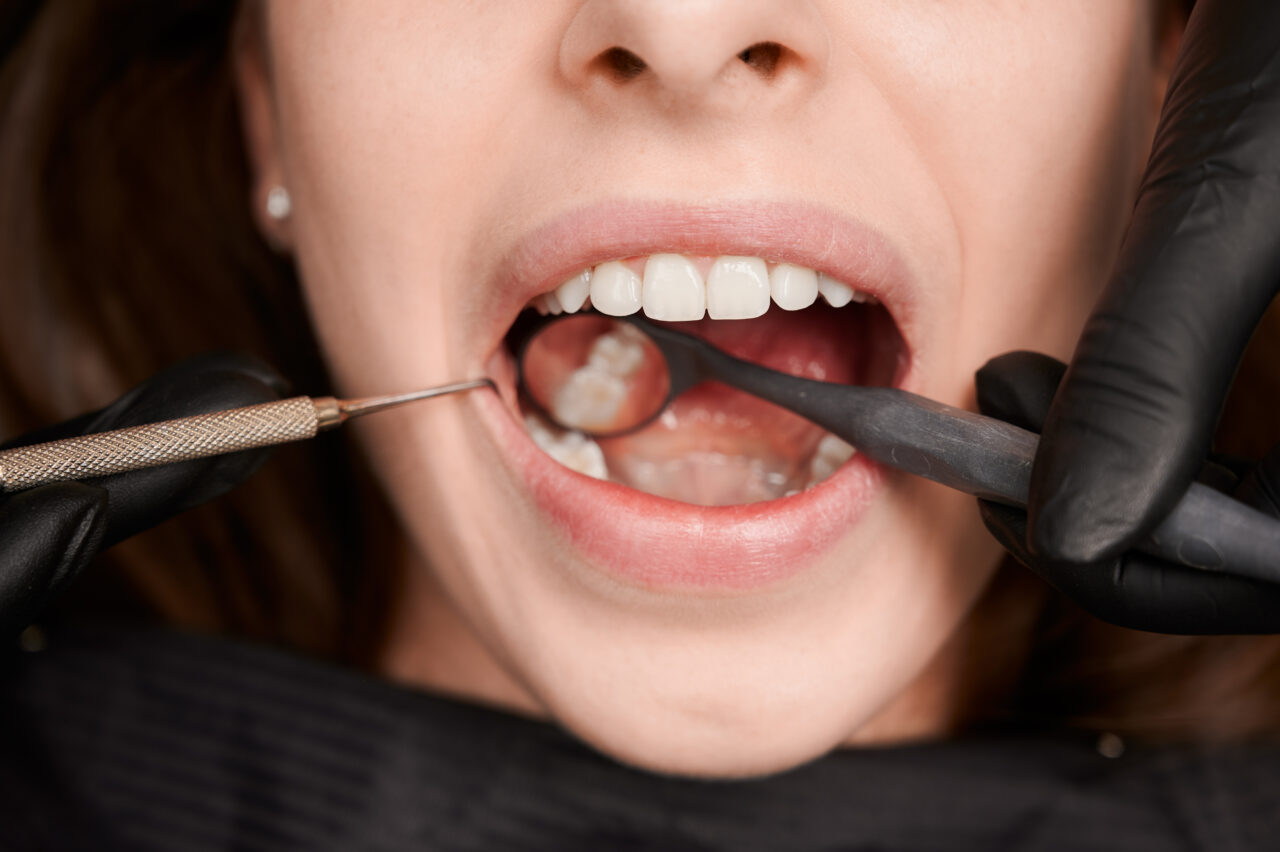
A tooth is rarely removed without reason. In most cases, it reaches a point where keeping it is no longer predictable or safe. Patients often come in hoping the tooth can still be saved, especially if the pain is recent or not constant. But what matters is not just how the tooth feels—it’s the condition it has reached internally.
In a dental clinic in Issaquah, this situation is seen quite often. What appears to be a manageable problem from the outside may already have progressed to a stage where restoration is no longer reliable. Understanding how that happens makes the recommendation for extraction easier to accept.
How a Tooth Reaches This Stage
Teeth usually don’t fail suddenly. They weaken gradually. A cavity may start small, a crack may go unnoticed, or a previously treated tooth may slowly lose strength. These changes don’t always cause immediate discomfort, which is why they are often ignored.
Over time, the tooth may:
- lose a significant portion of its structure
- develop deeper internal damage
- become unable to handle normal chewing pressure
- start showing signs of instability
By the time symptoms become noticeable, the condition has often already advanced.
The Point Where Repair Stops Being Reliable
There is a stage where treatment is no longer about fixing the tooth, but about deciding whether it can still function safely.
A tooth may not be considered restorable when:
- most of its structure has been lost
- damage extends below the gum line
- infection has affected surrounding areas
- previous treatments have weakened it repeatedly
In these situations, placing a filling or crown does not solve the problem. It may provide temporary relief, but the long-term outcome remains uncertain. This is where the decision shifts from repair to removal.
Why Extraction Is Recommended in Certain Cases
Extraction is not suggested because it is easier. It is recommended when keeping the tooth may lead to ongoing issues.
A severely compromised tooth can:
- continue to break down under pressure
- act as a source of infection
- affect nearby teeth and tissues
- cause recurring discomfort
Removing the tooth allows the area to stabilize and prevents further complications. From a clinical standpoint, it becomes the more predictable option.
Symptoms That Often Lead to This Decision
Patients usually come in when the condition becomes noticeable. The symptoms can vary, but they often include:
- discomfort while chewing
- swelling around the gums
- a feeling that the tooth is weak or shifting
- repeated problems with the same tooth
In some cases, the pain increases suddenly after being mild for a long time. This is often when patients begin looking for urgent dental care, especially when the discomfort starts interfering with normal activities.
What Happens When the Condition Is Ignored
Once a tooth reaches a compromised stage, it rarely stabilizes on its own. Waiting usually allows the condition to progress further.
This may lead to:
- worsening infection
- increased swelling or pressure
- spread of bacteria to surrounding areas
- situations that require emergency dental care
At this point, patients often look for immediate solutions, sometimes trying to find same day dental services when the discomfort becomes difficult to manage.
Access to Timely Evaluation in Issaquah
The timing of evaluation plays a key role in how manageable the situation remains. Being able to visit a dental clinic in Issaquah without long delays allows the condition to be assessed before it worsens further.
At NW Emergency Dentist, Dr. Prabhjot Sidhu often evaluates cases where patients initially expected a simpler treatment but later required extraction due to the extent of damage. In many of these situations, earlier assessment could have provided more options.
Understanding the Decision
Extraction is not about giving up on the tooth—it is about recognizing when the tooth can no longer be maintained safely.
Making this decision at the right time helps prevent repeated problems and allows for a more stable outcome moving forward.
What Changes After the Decision Is Made
Once it’s clear that a tooth cannot be restored, the focus shifts from “saving” to stabilizing the situation. At this stage, the goal is to remove the source of the problem in a controlled way rather than wait for it to worsen.
For many patients, this is the point where the condition finally makes sense. The discomfort, repeated issues, or sudden flare-ups are no longer random—they are the result of a tooth that has already reached its limit.
Acting at this stage usually keeps the process more predictable than waiting for the condition to escalate further.
Dr. Sidhu’s Clinical Approach
At NW Emergency Dentist, Dr. Prabhjot Sidhu approaches extraction decisions with a clear priority: remove the risk while protecting overall oral health.
Before recommending extraction, the evaluation focuses on:
- whether the remaining tooth structure can support any restoration
- how the tooth responds under pressure
- whether infection has extended beyond the tooth
- the likelihood of long-term success if the tooth is retained
If the tooth cannot function reliably, removing it becomes the more stable option. The decision is not based on symptoms alone, but on how the tooth will behave over time. This helps avoid situations where temporary fixes lead to repeated problems.
When the Situation Requires Immediate Attention
There are cases where extraction cannot be delayed. These usually involve conditions that are actively progressing.
This may include:
- increasing pain that does not settle
- swelling that begins to spread
- pressure that affects surrounding teeth
- difficulty eating or opening the mouth comfortably
In these situations, patients often seek urgent dental care because the condition is no longer manageable with time. If the infection or damage continues to progress, it may require emergency dental care to control the situation.
An emergency tooth extraction may be necessary when the tooth becomes a source of active infection or instability.
How Access to Care Affects the Outcome
One of the biggest factors in these situations is timing. Patients often delay treatment due to schedule constraints, hoping the issue will settle on its own.
However, access to care can change that pattern.
Being able to visit a clinic without long waiting periods allows patients to act earlier instead of waiting until the problem becomes severe. Options such as walk in dental care or availability similar to same day dental services help patients address the issue before it escalates.
In Issaquah, having access to timely dental treatment makes it easier to manage these conditions in a controlled way rather than react to emergencies.
When to Contact the Clinic
Even if the symptoms are not severe, certain signs indicate that the tooth should be evaluated without delay.
You should consider contacting a clinic if:
- the tooth feels structurally weak
- discomfort continues or increases
- swelling appears around the affected area
- the same tooth has required repeated attention
For patients in Issaquah, NW Emergency Dentist is located at:
5006 E Lake Sammamish Pkwy SE, Issaquah, WA 98029
(425) 391-7645
Getting an early evaluation helps determine whether the tooth can still be preserved or if removal is the safer course.
FAQs
Is extraction always the final option?
It is considered when other treatments are no longer reliable or predictable.
Can a severely damaged tooth still be saved?
In some cases, yes. But when the structure is too compromised, long-term success becomes unlikely.
What happens if I delay extraction?
The condition may worsen, leading to increased discomfort or infection.
Will removing the tooth solve the problem immediately?
It removes the source of the issue, which helps stabilize the situation.
Conclusion
Tooth extraction becomes necessary when a tooth can no longer be restored in a stable way. Addressing the issue at the right time helps prevent further complications and allows for a more predictable outcome. Timely access to care ensures that the condition is managed before it becomes more serious.