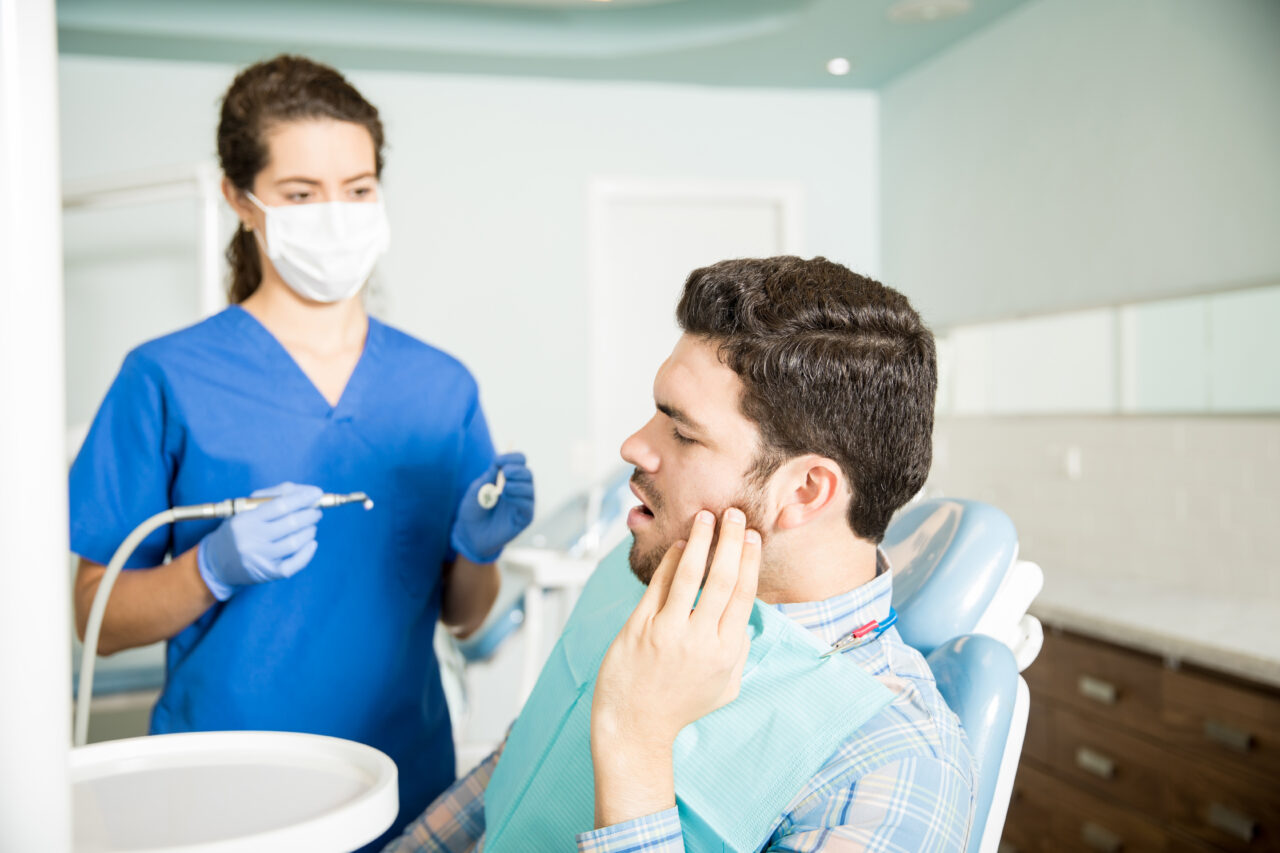
A dentist finds a small cavity, an ageing filling, a crack, or another change in a tooth, but nothing hurts. It is reasonable to wonder whether treatment is actually necessary or whether the problem can simply be watched.
Not every dental finding needs immediate treatment. Some conditions can remain stable and may be appropriate to monitor, while others are more likely to progress or weaken the tooth if nothing is done. The challenge is knowing which situation you are dealing with.
Pain alone cannot make that decision. A dental problem can sometimes develop without obvious symptoms, while a sensitive or uncomfortable tooth does not automatically require extensive treatment. The decision to treat or monitor should be based on what is happening clinically and what is likely to happen if the condition is left alone.
Does Every Dental Problem Need Treatment Right Away?
No. Finding something during a dental examination does not automatically mean that a procedure needs to be performed immediately.
Some early or minor changes can be monitored, particularly when there is no evidence that they are progressing or weakening the tooth. Preventive measures and improvements in oral hygiene may also be appropriate in certain situations.
Other problems are less predictable when left untreated. Active decay, significant structural damage, infection, or a restoration that is no longer protecting the tooth may make treatment more appropriate.
The important question is not simply whether a problem exists. It is whether waiting is clinically reasonable and what could change if treatment is delayed.
What Does Watching a Dental Problem Actually Mean?
Monitoring a dental problem should not mean ignoring it until it starts hurting. Proper monitoring is an active process that allows your dentist to determine whether the condition is remaining stable or changing.
That may involve examining the area during future visits, comparing it with previous findings, reviewing symptoms, and using X-rays when they are clinically appropriate. Photographs or other dental records may also help track visible changes over time.
If the condition remains stable, continued monitoring may be reasonable. If there is evidence that it is progressing, treatment can be reconsidered based on the new findings.
This approach allows dental treatment to be based on what the tooth actually needs rather than treating every small finding simply because it exists.
When Is a Dental Problem Usually Worth Fixing?
Treatment becomes more relevant when a dental problem is actively progressing, affecting the strength of the tooth, or creating a meaningful risk of further damage.
For example, decay that has progressed into the tooth may continue to remove healthy tooth structure. A cracked or weakened restoration may stop protecting the tooth effectively. Gum problems that are progressing may also require treatment rather than observation alone.
The amount of healthy tooth structure remaining is another important consideration. Sometimes addressing a problem while it is relatively limited allows the dentist to preserve more of the natural tooth than would be possible after significant progression.
That does not mean every problem should be treated at the earliest possible moment. It means the potential benefit of waiting needs to be weighed against the possibility that treatment could become more complicated if the condition progresses.
Can a Small Cavity Be Watched?
The word “cavity” can describe dental decay at different stages, so the appropriate approach depends on how far the process has progressed.
Very early changes in the outer surface of a tooth may sometimes be managed with preventive strategies and monitoring. Oral hygiene, fluoride exposure, diet, and the person’s overall risk of developing decay can all influence the approach.
Once decay has created more significant damage to the tooth structure, however, a restoration may be needed to remove the affected tissue and restore the tooth.
You cannot reliably determine the depth of decay simply by looking at the tooth or judging whether it hurts. A dental examination, along with X-rays when appropriate, helps the dentist determine whether monitoring or treatment makes more sense.
What About a Small Crack or Chipped Tooth?
Not every small chip requires significant dental work. Minor enamel damage may sometimes be mainly cosmetic or require only limited treatment, depending on where it is located and whether the tooth remains structurally sound.
A crack requires more careful assessment because cracks can vary considerably in depth, direction, and clinical significance. Some remain limited, while others can extend into areas of the tooth that affect its long-term restorability.
Symptoms such as pain when biting or releasing pressure, new sensitivity, or repeated discomfort around a cracked tooth are useful information, but the absence of symptoms does not reveal how deep a crack extends.
If a tooth suddenly breaks or develops significant discomfort, seeking Urgent dental care can help determine the extent of the damage before deciding how it should be treated.
Should an Old Filling or Crown Be Replaced Before It Hurts?
The age of a filling or crown alone is not a good reason to replace it. A restoration that remains stable, fits appropriately, and continues to protect the tooth may still be functioning well even after many years.
Treatment becomes more relevant when there are signs that the restoration is failing. These may include cracks, looseness, recurrent decay around the edges, significant wear, or changes that allow bacteria and food debris to collect around the tooth.
Some of these problems can develop without pain. Waiting for a restoration to become painful before having it assessed can therefore overlook changes that are already visible during an examination.
If you are uncertain about an ageing restoration, a dentist in Issaquah can evaluate both the filling or crown and the natural tooth underneath it before determining whether monitoring, repair, or replacement is appropriate.
Is Pain the Best Way to Decide Whether a Tooth Needs Treatment?
Pain is important information, but it should not be the only factor used to decide whether a dental problem needs treatment.
Some conditions can progress without producing significant discomfort. Tooth decay, for example, may not become painful during its earlier stages. Problems around an existing filling or crown can also develop before the tooth produces obvious symptoms.
The opposite is also true. A painful or sensitive tooth does not automatically mean that extensive treatment is required. Sensitivity can have several causes, and the correct treatment depends on identifying what is actually producing the symptoms.
This is why the diagnosis matters more than pain alone. An examination can establish whether a condition is stable enough to monitor or whether delaying treatment could allow additional damage to occur.
When Does Waiting Become Riskier Than Treating?
The decision to monitor a dental problem involves comparing the advantages of waiting with the possible consequences if the condition progresses.
If a finding is stable and unlikely to compromise the tooth, monitoring may avoid unnecessary treatment. However, if decay is progressing, a crack is weakening the tooth, or a restoration is no longer providing an effective seal, waiting may allow more healthy tooth structure to become involved.
This can sometimes change the type of treatment that is needed. A problem that can initially be managed with a relatively limited restoration may require more extensive care if substantially more tooth structure is lost.
That does not mean progression is inevitable in every case. The dentist should consider the specific condition, available clinical evidence, and likely risks before recommending whether treatment or continued monitoring is more appropriate.
When Should You Stop Watching and Have the Tooth Checked Promptly?
A problem that has been monitored should be reassessed if the tooth begins behaving differently. Increasing pain, swelling, persistent sensitivity, discomfort when biting, or a noticeable change in the tooth can all justify an earlier examination.
You should also seek attention if a filling or crown becomes loose, a piece of the tooth breaks, or the tooth suddenly feels different when you close your mouth. These changes can indicate that the condition is no longer stable.
When symptoms develop unexpectedly, same day dental appointments in Issaquah may be useful for determining what has changed and whether treatment is needed. If there is severe pain, significant swelling, trauma, or another acute dental problem, Urgent dental care may be more appropriate than continuing to monitor the situation.
The purpose of prompt assessment is not to assume that extensive treatment is necessary. It is to establish why the condition has changed.
How Does a Dentist Decide Between Monitoring and Treatment?
A dentist considers several pieces of information before recommending whether a dental problem should be treated or watched.
The examination can show whether the tooth has visible decay, cracks, structural weakness, problems with an existing restoration, or changes in the surrounding gums. X-rays may provide additional information when clinically appropriate, particularly when the full extent of a problem cannot be seen directly.
Previous dental records can also be valuable. Comparing current findings with earlier examinations or X-rays can help establish whether a condition has remained stable or is progressing.
Your symptoms, oral hygiene, dental history, remaining tooth structure, and overall risk of future problems can all influence the decision. There is rarely value in treating a stable finding unnecessarily, but there is also little benefit in continuing to watch something that is clearly becoming more difficult to manage.
How NW Emergency Dentist Approaches the Decision
A useful dental treatment plan should explain not only what was found, but also why treatment or monitoring is being recommended.
At NW Emergency Dentist, Dr. Prabhjot Sidhu can evaluate the tooth, existing dental work, gums, bite, and relevant X-rays when appropriate. The purpose of the assessment is to determine whether the condition appears stable or whether there are clinical reasons to address it.
If monitoring is reasonable, you should understand what is being watched and what changes would indicate that treatment needs to be reconsidered. If treatment is recommended, you should also understand what problem it is intended to address and what could happen if the condition progresses.
For patients seeking dental care in Issaquah, this approach can help distinguish between a problem that genuinely needs treatment and one that can reasonably be reviewed over time.
Conclusion
Not every dental problem needs to be fixed immediately, and choosing to monitor a stable condition can be an appropriate part of dental care. The important point is that watching a problem should be a clinical decision rather than simply waiting until something hurts.
Changes such as active decay, structural weakness, a failing restoration, increasing symptoms, or evidence that a condition is progressing may make treatment more worthwhile. Stable findings, on the other hand, may sometimes be monitored with regular examinations.
If you have been told that a tooth has a problem and are unsure whether it should be treated or watched, NW Emergency Dentist can assess the condition and explain the available options. The goal is to provide the level of treatment the tooth actually needs while preserving healthy tooth structure whenever possible.