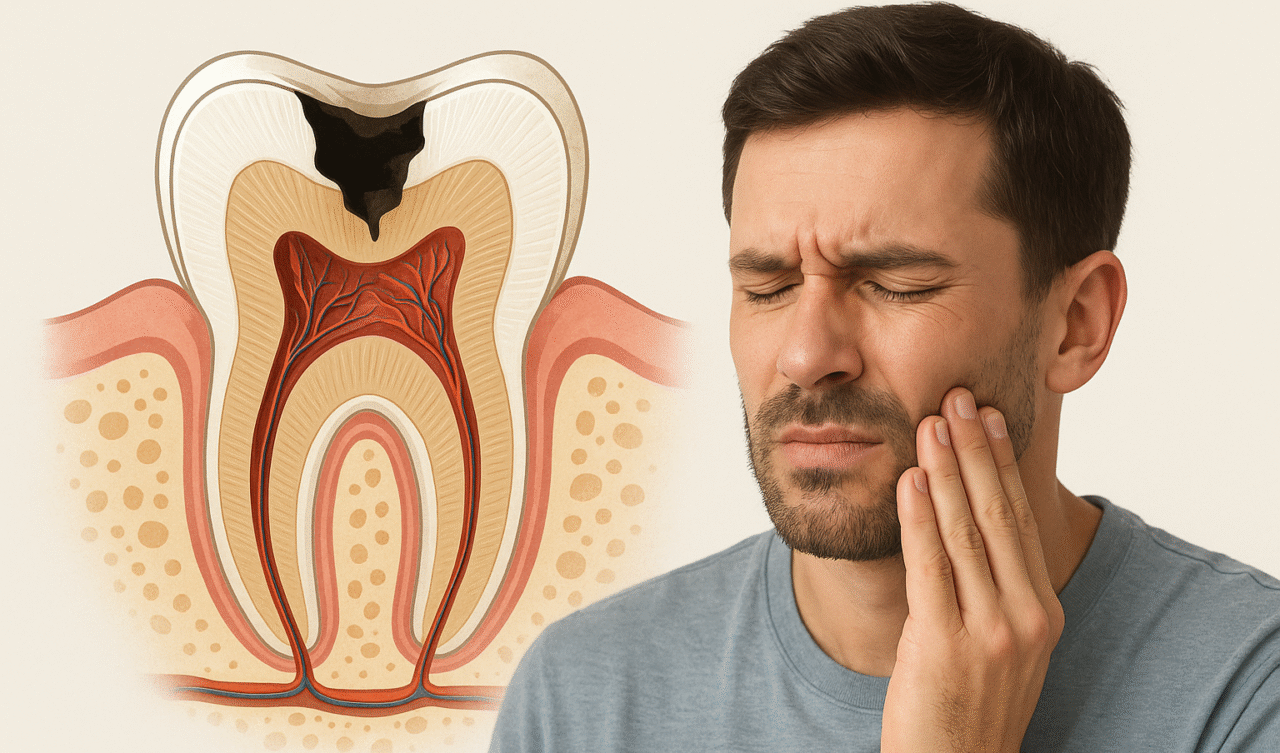
You feel a little sensitivity when sipping something cold. It goes away, so you ignore it. Days turn into weeks. That sensitivity becomes a throbbing pain at night—and suddenly, you’re in the dentist’s chair being told it’s now a full-blown dental emergency.
At NW Emergency Dentist, this story isn’t rare. What starts as a simple, untreated cavities can quickly spiral into something more severe and painful. And the longer it’s left untreated, the more damage it can cause—to your teeth, gums, jawbone, and even your overall health.
In this blog, we’ll explore how cavities evolve over time, what symptoms to look out for, and why early intervention is critical. We’ll also share how our emergency dental services in [Location] can provide fast, effective relief when you need it most.
What is a Cavity, Really?
A cavity is a hole in your tooth caused by acid-producing bacteria. It starts small—usually in the enamel (the outermost layer of your teeth). At this stage, you might not notice anything at all. But as decay spreads deeper into the tooth, it becomes more serious.
Cavities are the result of:
- Poor oral hygiene
- Frequent snacking on sugary or acidic foods
- Infrequent dental check-ups
- Dry mouth (which reduces protective saliva)
Cavities are very common, but they are also highly preventable.
The Dangerous Journey of an Untreated Cavity
Let’s break down what happens when you ignore a cavity over time.
Stage 1: Enamel Decay (No Symptoms)
In the early phase, decay only affects the enamel. You might not feel a thing. A quick filling could fix it in one visit.
Stage 2: Dentin Involvement (Mild Sensitivity)
Once bacteria reach the dentin (the softer layer underneath enamel), sensitivity to hot, cold, or sweet foods often starts. This is when many people begin to take notice—but some still delay care.
Stage 3: Pulp Infection (Pain Begins)
If the cavity reaches the inner pulp of the tooth (where nerves and blood vessels live), pain increases. It might come and go, feel sharp, or become a dull throb that worsens at night.
This stage often requires root canal therapy to remove the infected tissue and save the tooth. At NW Emergency Dentist, we use advanced technology to perform this procedure with minimal discomfort. Learn more on our Restorative Services page.
Stage 4: Abscess Formation (Emergency Status)
Without treatment, the infection can move beyond the tooth root, forming a dental abscess—a pocket of pus that causes severe pain, swelling, and even fever. This is now a dental emergency.
Stage 5: Spread of Infection (Systemic Risk)
In rare but serious cases, the infection can enter the bloodstream, affecting other parts of the body and leading to complications like sepsis. Immediate intervention is necessary.
Why Dental Emergencies Happen at the Worst Time?
Dental issues don’t follow your schedule. They often become unbearable during nights, weekends, or holidays. That’s why our team at NW Emergency Dentist offers emergency appointments, ensuring you’re never alone when an issue escalates.
Warning Signs You Shouldn’t Ignore
If you experience any of the following symptoms, it’s time to schedule a visit:
- Throbbing or persistent toothache
- Pain when chewing or biting
- Visible holes or dark spots on your teeth
- Swelling in the gums or jaw
- Sensitivity to hot, cold, or sweets
- Bad breath or an unpleasant taste in the mouth
- Fever or fatigue along with oral pain
The Bigger Health Impact of Cavities
A cavity might seem like a dental issue—but it can affect your entire body.
Here’s how:
- Oral infections can spread to other organs through the bloodstream.
- Gum disease and decay have been linked to heart disease and diabetes complications.
- Chronic inflammation in the mouth may influence immune system performance.
- In pregnant women, untreated decay or infections can increase the risk of preterm labor.
That’s why NW Emergency Dentist emphasizes early detection and prevention—not just for your smile, but your total well-being.
When to Visit NW Emergency Dentist?
At NW Emergency Dentist, we believe the best time to treat a dental issue is before it becomes an emergency—but if you’re already in pain, we’re here for you.
Visit us if:
- You’re in pain that’s not improving
- You see signs of swelling or pus
- Your tooth feels loose or fractured
- You suspect a cavity is worsening
We’re known for same-day appointments, compassionate care, and fast relief in high-stress moments.
Prevention: Your Best Protection
Good dental habits can stop cavities before they start—or catch them before they become emergencies.
Follow these key tips:
- Brush twice a day with fluoride toothpaste
- Floss daily to remove plaque from between teeth
- Use antibacterial mouthwash for added protection
- Avoid frequent snacking on sugary or acidic foods
- Stay hydrated to support saliva production
- Schedule regular checkups and cleanings at least twice a year
Discover how our Preventive Dental Services help patients stay ahead of dental emergencies.
Why Patients Trust NW Emergency Dentist?
We’ve helped hundreds of patients avoid extractions, surgeries, and infections simply by treating issues early—or acting quickly when emergencies strike.
Here’s what sets us apart:
- Emergency-focused care with priority scheduling
- Advanced diagnostic tools for accurate treatment
- Minimally invasive procedures to preserve natural teeth
- Transparent treatment planning and patient education
- A team that listens, supports, and cares
Whether you’re in pain or simply unsure of what’s going on, we’re here to provide clarity, comfort, and confidence.
Conclusion
A cavity might start small, but if ignored, it can turn into a serious, painful, and expensive problem. Don’t wait for tooth pain to ruin your weekend or your health.
At NW Emergency Dentist, we believe in catching problems early—but we’re fully equipped to treat urgent situations with care, speed, and expertise.
Ready to take control of your dental health? Book an appointment today and let us help you avoid dental emergencies before they start.