
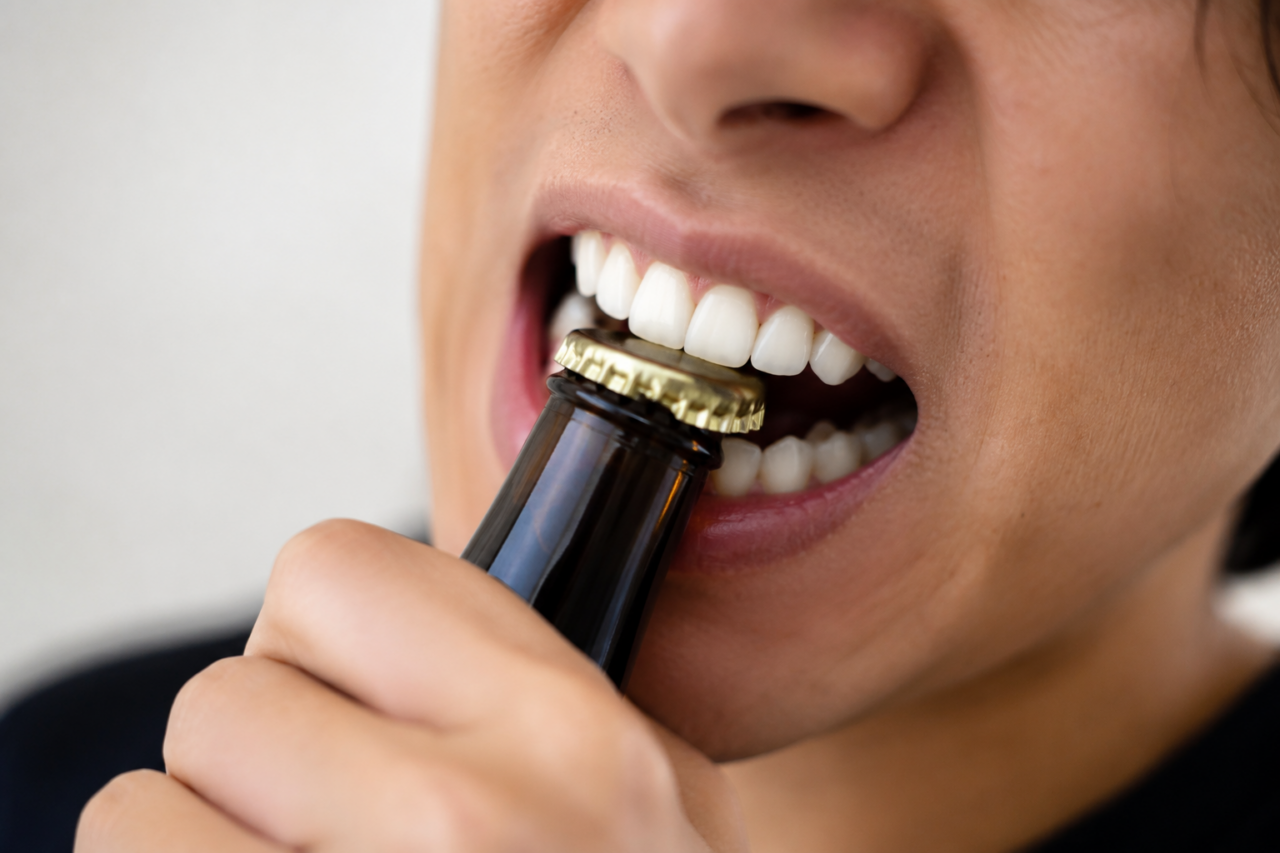
Teeth are among the strongest structures in the human body, but their strength is closely related to the job they are designed to perform. They are built to bite, tear, and chew food while distributing pressure evenly through the roots and supporting bone. When teeth are used for tasks they were never intended to perform, the forces acting on them change significantly, increasing the likelihood of unexpected damage.
Using your teeth to open packages, remove bottle caps, tear plastic, hold small objects, or cut tape may seem convenient in the moment. However, these everyday habits can place excessive stress on the enamel, existing dental restorations, and even the roots of the teeth. While some injuries happen instantly, others develop gradually as repeated strain weakens the tooth over time.
At NW Emergency Dentist, it is not uncommon to see patients with chipped teeth, fractured restorations, or painful cracks that developed while using their teeth as tools rather than for normal chewing. Understanding how these injuries occur is the first step toward preventing them.
Teeth Are Designed to Handle Specific Types of Force
During normal chewing, biting forces travel in a direction that the teeth, roots, and surrounding bone are naturally designed to support. The shape of each tooth, along with its position in the bite, allows pressure to be distributed efficiently across the supporting structures.
Using your teeth as tools creates a very different situation. Instead of controlled biting forces, the teeth may experience twisting, pulling, sideways pressure, or sudden impact. These movements concentrate stress on small areas of enamel that are not intended to absorb such forces.
Over time, repeated exposure to these unusual stresses may increase the risk of:
- chipped enamel
- cracked tooth
- broken tooth
- worn tooth edges
- damaged restorations
- increased tooth sensitivity
Although healthy teeth are remarkably durable, even strong enamel has physical limits when subjected to repeated mechanical stress.
Everyday Habits That Can Lead to Dental Injuries
Many dental injuries result from routine habits rather than accidents or sports related trauma. Because these actions become part of daily routines, they often continue for years before any visible damage appears.
Examples include:
- opening plastic packaging with the front teeth
- removing bottle caps
- tearing adhesive tape
- biting fingernails
- chewing on pens or pencils
- holding nails, screws, or pins between the teeth
- cracking ice cubes
- pulling knots loose with the teeth
Each of these habits places forces on the teeth that differ from normal chewing. Even if damage does not occur immediately, repeated strain may weaken enamel or place additional stress on existing restorations.
Existing Dental Work Can Be More Susceptible to Damage
Natural teeth and dental restorations function together as part of the same bite. When excessive force is applied to one area, both the tooth and the restoration may be affected.
Patients with large dental fillings, dental crowns, or previous dental bonding should be particularly cautious about using their teeth as tools. Although these restorations are designed to restore strength and function, they are still exposed to the same abnormal forces created by twisting or pulling motions.
Repeated misuse may contribute to:
- fractured fillings
- chipped crowns
- loosened restorations
- cracked bonding material
- fractures within the remaining natural tooth
In many cases, the restoration itself is not the underlying problem. Instead, the excessive force exceeds what both the restoration and the supporting tooth structure were designed to tolerate.
Not Every Tooth Fracture Causes Immediate Pain
One of the reasons these injuries are sometimes overlooked is that damage does not always produce immediate discomfort.
A small enamel chip may feel rough but remain painless. A fine crack can develop without causing noticeable symptoms until it gradually extends deeper into the tooth. Likewise, a fractured filling or crown may continue functioning for some time before changes in biting pressure or temperature sensitivity become apparent.
Because symptoms often develop gradually, regular examinations play an important role in identifying damage before it progresses. During an evaluation, dentists assess the affected tooth, examine nearby restorations, evaluate the bite, and obtain dental x-rays when clinically indicated to determine whether the injury extends beneath the visible surface.
Early diagnosis often allows more conservative treatment while preserving as much healthy tooth structure as possible.
When a Damaged Tooth Should Be Evaluated Promptly
Not every chipped or cracked tooth requires emergency treatment, but delaying an evaluation is not always advisable. A seemingly minor fracture may expose deeper layers of the tooth or continue to spread with normal chewing, increasing the complexity of treatment over time.
Prompt professional assessment is recommended if you notice:
- a visible chipped or broken tooth
- pain while biting or chewing
- sharp sensitivity to hot or cold foods
- a loose or damaged dental crown
- a fractured dental filling
- bleeding around the injured tooth
- difficulty biting comfortably after the injury
For patients experiencing these symptoms, arranging same day dental appointments Issaquah allows the tooth to be examined before additional damage develops. Early evaluation helps determine whether the tooth can be protected with conservative treatment or whether more extensive restorative care is necessary.
Treatment Depends on the Type and Extent of the Damage
Managing a dental injury begins with identifying the exact location and severity of the fracture. Not every chipped tooth requires the same treatment, and recommendations are based on how much of the tooth has been affected.
Minor enamel chips may sometimes be smoothed or repaired using dental bonding to restore the tooth’s natural shape and appearance. Larger fractures may require a new dental filling or a dental crown if additional strength is needed to protect the remaining tooth structure.
If a crack extends deeper into the tooth or affects the dental pulp, further treatment may be necessary to preserve the tooth whenever possible. Clinical examination, bite assessment, and dental x-rays help determine the most appropriate course of action.
The goal is always to preserve healthy tooth structure while restoring comfortable function and reducing the risk of future complications.
Some Injuries Require Urgent Dental Attention
Although many fractures are manageable during a scheduled appointment, certain situations should be evaluated without unnecessary delay.
Immediate assessment is advisable if:
- a large portion of the tooth has broken away
- the injury causes persistent or severe pain
- the tooth becomes loose after the incident
- swelling develops around the affected area
- a restoration breaks and leaves sharp edges that interfere with eating or speaking
In these circumstances, seeking Urgent dental care or Emergency Dental Care can help protect the remaining tooth structure and reduce the likelihood of further complications.
If the injury happens during the weekend, locating a dentist open on saturday or arranging saturday dental appointments may provide earlier access to treatment. At NW Emergency Dentist, Emergency Dental Care Issaquah includes the evaluation and treatment of chipped teeth, fractured restorations, and other unexpected dental injuries caused by everyday accidents or excessive biting forces.
Small Habit Changes Can Help Prevent Future Damage
Preventing tooth fractures often involves recognising situations where teeth are being used for purposes beyond normal chewing.
Simple alternatives, such as using scissors to open packaging, bottle openers for sealed containers, or appropriate tools for household tasks, significantly reduce unnecessary stress on the teeth. Avoiding habits like chewing ice, biting fingernails, or holding objects between the teeth also helps preserve both natural tooth structure and existing restorations.
Patients who have previously experienced chipped teeth or multiple fractured restorations may benefit from discussing their bite, chewing habits, and any signs of teeth grinding at night during routine dental visits. Addressing these contributing factors can reduce the likelihood of repeated injuries in the future.
Conclusion
The strength of natural teeth should not be mistaken for the ability to perform every everyday task. Teeth are designed to bite and chew food efficiently, and using them as tools exposes them to twisting, pulling, and concentrated forces that can result in chipped enamel, cracked tooth, damaged restorations, or more significant fractures.
Many of these injuries are preventable through small changes in daily habits and early professional evaluation when damage does occur. Prompt diagnosis not only helps preserve healthy tooth structure but also allows treatment to be planned before a minor problem develops into a more complex one.
At NW Emergency Dentist, Dr. Prabhjot Sidhu provides comprehensive assessment and treatment for tooth fractures, damaged restorations, and other injuries related to everyday habits. Whether the concern involves a minor chip or requires Emergency Dental Care, the focus remains on preserving natural teeth, restoring comfortable function, and providing high quality dental care tailored to each patient’s needs.