
Losing a tooth is not always painful, but it does change how your mouth functions. Some people get used to the gap and delay treatment, especially if it is not immediately visible. What often goes unnoticed is how that empty space affects nearby teeth over time.
Dental bridges are one of the common ways dentists restore missing teeth. They are designed to fill the gap and help maintain normal chewing, alignment, and overall oral health.
Understanding how bridges work and when they are recommended helps patients make informed decisions about tooth replacement.
What a Dental Bridge Actually Is
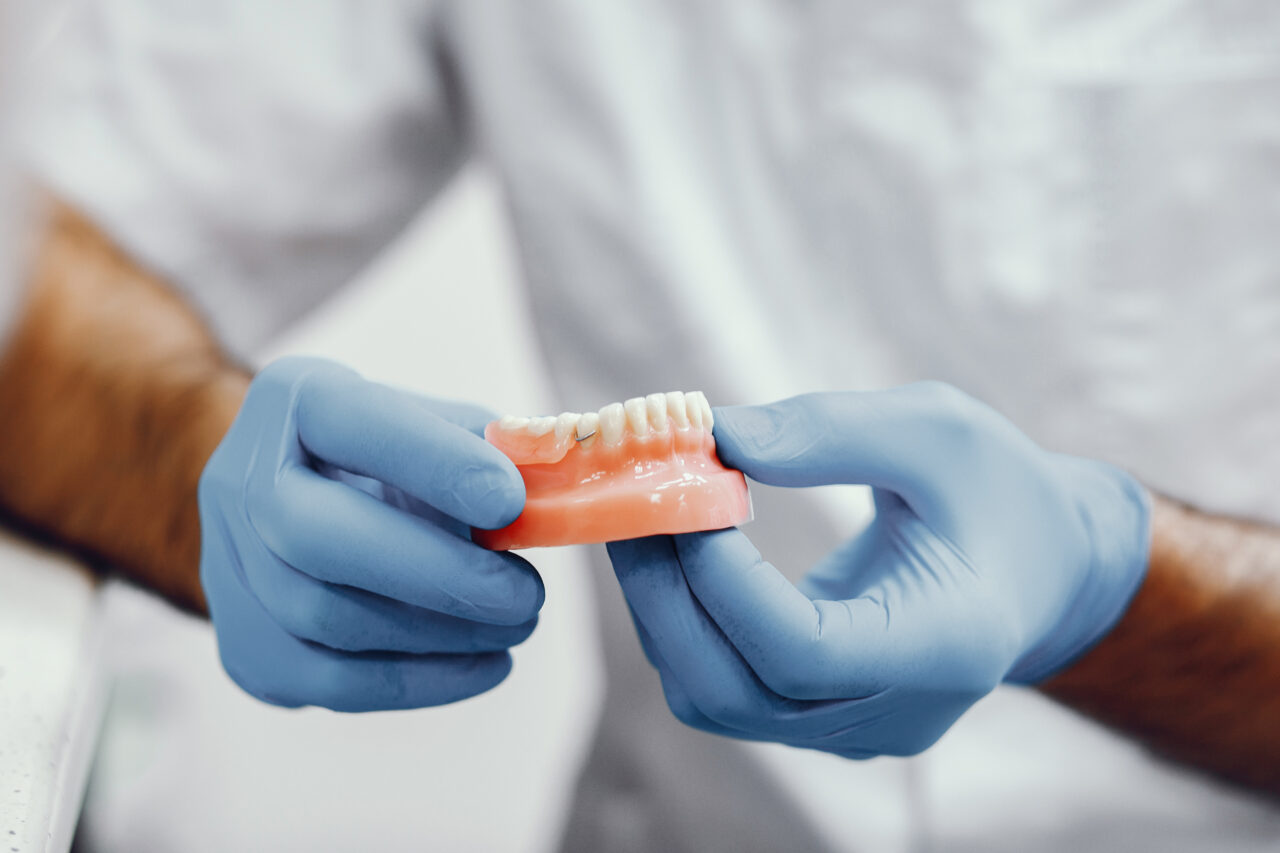
A dental bridge is used to replace one or more missing teeth by “bridging” the gap between existing teeth. Instead of placing something directly into the jaw like an implant, a bridge relies on the teeth next to the gap for support.
It usually involves:
- one or more artificial teeth placed in the gap
- support from neighboring teeth on either side
These supporting teeth hold the bridge in place, allowing it to function like a natural tooth when chewing or speaking.
From a patient’s perspective, the goal of a bridge is simple:
to restore function and prevent the surrounding teeth from shifting.
Why Replacing a Missing Tooth Matters
It is common to assume that losing a single tooth is not a major issue, especially if it is not in the front. However, every tooth plays a role in maintaining balance inside the mouth.
When a tooth is missing:
- nearby teeth may begin to shift into the empty space
- the bite can gradually change
- chewing efficiency may reduce
- uneven pressure can affect other teeth
These changes usually happen slowly, which is why they are often ignored in the beginning.
Over time, however, this imbalance can lead to additional dental problems that require more complex treatment.
Situations Where Dental Bridges Are Recommended
A dentist may recommend a dental bridge in situations where:
- one or more teeth are missing in a row
- the surrounding teeth are strong enough to support a bridge
- the patient prefers a fixed option instead of a removable one
Bridges are often chosen when the goal is to restore function quickly without surgical procedures.
They can be especially useful when the teeth next to the gap already need support, making them suitable anchors for the bridge.
How a Bridge Helps Restore Function
A dental bridge does more than just fill a space. It helps restore balance in the way your teeth work together.
Once placed, it:
- allows normal chewing across that area
- helps maintain proper spacing between teeth
- supports a more stable bite
This reduces the chances of neighboring teeth drifting out of position.
From a long-term dental care perspective, replacing a missing tooth early helps avoid additional strain on other teeth.
Early Signs That a Missing Tooth Is Causing Problems
Even if a gap does not feel uncomfortable, there may be subtle signs that the surrounding teeth are being affected.
These can include:
- food getting trapped in the gap more frequently
- difficulty chewing on one side
- slight shifting or tilting of nearby teeth
- uneven pressure when biting
These changes may seem minor, but they often indicate that the balance of the bite is being affected.
A visit to a dentist can help determine whether a dental bridge or another form of replacement is appropriate.
Why Timely Replacement Is Important
When a missing tooth is replaced early, it is easier to maintain proper alignment and function. Delaying treatment allows gradual changes to occur, which may complicate future restoration.
In some cases, ignoring a missing tooth for too long can lead to additional dental issues that may require more involved treatment or even emergency dental care if complications arise.
Maintaining consistent oral health involves not only caring for existing teeth but also addressing missing ones at the right time.
Once a tooth is lost, the surrounding area does not stay unchanged. Even if there is no immediate discomfort, the space left behind begins to affect how nearby teeth function. This is where timely tooth replacement becomes important.
Dental bridges are often recommended to restore that missing space before these changes become more noticeable or difficult to correct.
What Happens If a Missing Tooth Is Not Replaced
When a gap is left untreated, the neighboring teeth gradually begin to shift toward that space. This movement is slow and often goes unnoticed in the early stages.
Over time, this can lead to:
- misalignment of surrounding teeth
- uneven pressure while chewing
- increased stress on certain teeth
- difficulty maintaining proper cleaning in shifted areas
These changes may not cause immediate pain, but they can affect long-term oral health and lead to additional dental concerns.
Replacing a missing tooth early helps maintain the natural position of the teeth and supports a more stable bite.
How a Dental Bridge Is Placed
The process of placing a dental bridge is typically done over a few steps to ensure proper fit and function.
It usually involves:
- preparing the teeth next to the gap so they can support the bridge
- taking impressions to create a custom restoration
- placing a temporary bridge while the final one is made
- fitting and securing the final bridge in place
The goal is to restore the missing tooth in a way that feels natural and allows normal chewing.
From the patient’s perspective, the procedure is focused on restoring function rather than changing the overall structure of the mouth.
Comparing Dental Bridges With Other Options
Dental bridges are one of several ways to replace missing teeth. Another common option is a dental implant, which is placed directly into the jaw.
A dentist may recommend a bridge when:
- a non-surgical option is preferred
- the surrounding teeth can support the restoration
- a quicker solution is needed
Each option has its own advantages, and the choice depends on the condition of the teeth, the jaw, and the patient’s overall situation.
Understanding these options helps patients make informed decisions about their dental care.
When the Situation Becomes Urgent
In some cases, delaying tooth replacement can lead to noticeable symptoms.
These may include:
- increasing difficulty while chewing
- shifting that affects the way teeth come together
- discomfort in the jaw due to uneven pressure
- irritation in the surrounding gum area
While these changes are usually gradual, they can sometimes lead to more significant issues if left unaddressed.
When discomfort or functional problems begin to interfere with daily activities, seeking urgent dental care becomes important. In rare cases where complications escalate, patients may require emergency dental care to manage the situation.
Local Evaluation and Professional Guidance
For patients considering tooth replacement, visiting a dentist in Issaquah allows for proper evaluation of the missing space and surrounding teeth. Clinics such as Sunrise Dental of Issaquah assess whether a dental bridge is suitable based on the condition of nearby teeth and overall oral health.
At NW Emergency Dentist, Dr. Prabhjot Sidhu often sees patients who have delayed replacing a missing tooth and later experience shifting or uneven bite pressure. In many of these cases, what could have been a simple restoration becomes more involved over time.
Early evaluation and timely treatment help maintain stability and prevent additional complications.
Maintaining a Dental Bridge
Once placed, a dental bridge requires regular care to function well over time. Since it relies on surrounding teeth for support, keeping those teeth healthy is essential.
Simple habits make a difference:
- brushing and flossing regularly
- cleaning around the bridge area carefully
- attending routine dental checkups
Good dental care not only helps the bridge last longer but also protects the supporting teeth.
FAQs
How long does a dental bridge last?
A dental bridge can last several years with proper care, though its lifespan depends on daily habits and overall oral health.
Is a dental bridge fixed or removable?
Most bridges are fixed in place and function like natural teeth.
Can I eat normally with a dental bridge?
Yes, once adjusted, a bridge allows normal chewing in most cases.
Do dental bridges require special care?
They require good oral hygiene and attention to the area around the supporting teeth.
Conclusion
Dental bridges play an important role in restoring missing teeth and maintaining balance in the mouth. Replacing a missing tooth at the right time helps prevent shifting, uneven pressure, and long-term complications. With proper care and regular dental visits, a bridge can support both function and long-term oral health.