
Life can become busy, and routine dental visits are often postponed when there is no obvious pain or discomfort. Some people avoid appointments because of anxiety, while others simply believe that if their teeth feel fine, there is no immediate need for an examination. However, many dental conditions develop gradually and may not cause noticeable symptoms until they have become more advanced.
Routine dental checkups are designed to identify problems before they begin affecting daily life. Small areas of tooth decay, early gum disease, worn restorations, and other oral health concerns can often be detected during a professional examination long before they cause significant discomfort.
At NW Emergency Dentist, comprehensive dental examinations help patients understand the current condition of their oral health and provide opportunities for early treatment that may prevent more extensive procedures in the future.
What Happens When Routine Checkups Are Delayed
When regular dental visits are missed, plaque continues to accumulate on the teeth. If it is not removed through daily brushing, flossing, and professional dental cleaning, it gradually hardens into tartar. Unlike plaque, tartar cannot be removed with a toothbrush and usually requires professional treatment.
Over time, this buildup creates an environment where bacteria can thrive. Small cavities may begin to develop, and the gums can become irritated and inflamed. In many cases, these early changes produce little or no discomfort, making them easy to overlook. Scheduling same day dental appointments Issaquah when concerns arise allows these conditions to be identified before they become more extensive.
Another important consequence of delaying routine care is the gradual progression of gum disease. Early gum inflammation may cause only mild bleeding during brushing or flossing, but without treatment, the condition can progress and affect the tissues that support the teeth.
One of the primary goals of preventive dental care is to identify these early changes before permanent damage occurs. Regular examinations allow dentists to recommend simple interventions that help maintain healthy teeth and gums over the long term.
Changes You Might Begin to Notice
Although many dental conditions develop silently, some gradual changes eventually become noticeable. Bleeding while brushing or flossing is often one of the earliest signs that the gums require professional attention. Persistent bad breath may also develop as bacteria accumulate around the teeth and below the gumline.
Some people begin experiencing increased sensitivity when drinking hot coffee, eating ice cream, or consuming sweet foods. This may occur as tooth enamel wears down, existing restorations begin to deteriorate, or exposed root surfaces become more vulnerable to external stimuli.
Changes in the appearance of the teeth may also become apparent. Staining, tartar deposits, and worn fillings or crowns can gradually affect both function and aesthetics. Patients who notice these changes should consider seeking Urgent dental care if symptoms become persistent or begin interfering with normal eating, speaking, or daily comfort.
Problems That Can Develop Without Pain
One of the most important reasons for regular dental examinations is that many oral health conditions remain painless during their early stages. Tooth decay often progresses beneath the enamel before reaching the sensitive inner portion of the tooth. Similarly, gum disease may continue affecting the supporting tissues without producing significant discomfort.
Small fractures in teeth or existing restorations can also develop over time. These defects may not be visible during a routine mirror check and may only be identified through a professional examination. In addition, hidden areas of decay between teeth or beneath older restorations are frequently detected with dental x-rays, allowing treatment before larger structural problems develop.
Seeking Emergency Dental Care when new symptoms appear helps ensure that developing conditions are diagnosed promptly, reducing the likelihood that minor problems will require more complex treatment later.
When You Should Schedule a Dental Visit
Although routine examinations are recommended even when no symptoms are present, certain changes should never be ignored. Persistent tooth pain, swelling, a broken tooth, or sudden sensitivity may indicate a condition that requires prompt professional attention. Patients searching for an Emergency dentist near me should arrange an evaluation as soon as possible to identify the underlying cause and begin appropriate treatment.
Bleeding Gums and Loose Restorations
Bleeding gums during brushing or flossing are not considered a normal part of oral hygiene. They may indicate inflammation, early gum disease, or another condition affecting the supporting tissues around the teeth. Likewise, a loose filling or crown can allow bacteria to enter vulnerable areas of the tooth, increasing the risk of decay. Visiting a walk in dentist in Issaquah allows these concerns to be assessed promptly so that treatment can begin before additional damage occurs.
Persistent Bad Breath or Difficulty Chewing
Ongoing bad breath that does not improve with brushing and flossing may be associated with bacterial buildup, gum disease, or untreated tooth decay. Difficulty chewing comfortably, increased tooth sensitivity, or changes in the way your teeth come together may also indicate developing oral health problems.
Patients experiencing these symptoms may benefit from walk in dental care Issaquah, where a comprehensive examination can determine whether preventive treatment or restorative care is required.
Returning After Several Years Away
Many people feel nervous about scheduling a dental appointment after missing routine visits for several years. However, dentists understand that life circumstances change, and the focus of modern dental care is on evaluating your current oral health rather than judging past decisions.
Finding a dentist open on saturday can make it easier for patients with demanding weekday schedules to return for the professional care they have been postponing.
Similarly, Weekend dental appointments provide added flexibility for individuals balancing work, family, or other commitments while prioritising their oral health.
At NW Emergency Dentist, Emergency Dental Care Issaquah includes comprehensive evaluations for patients returning after an extended gap in dental care. Early assessment allows existing concerns to be identified and managed before they progress into more significant problems.
What to Expect at Your First Visit After a Long Gap
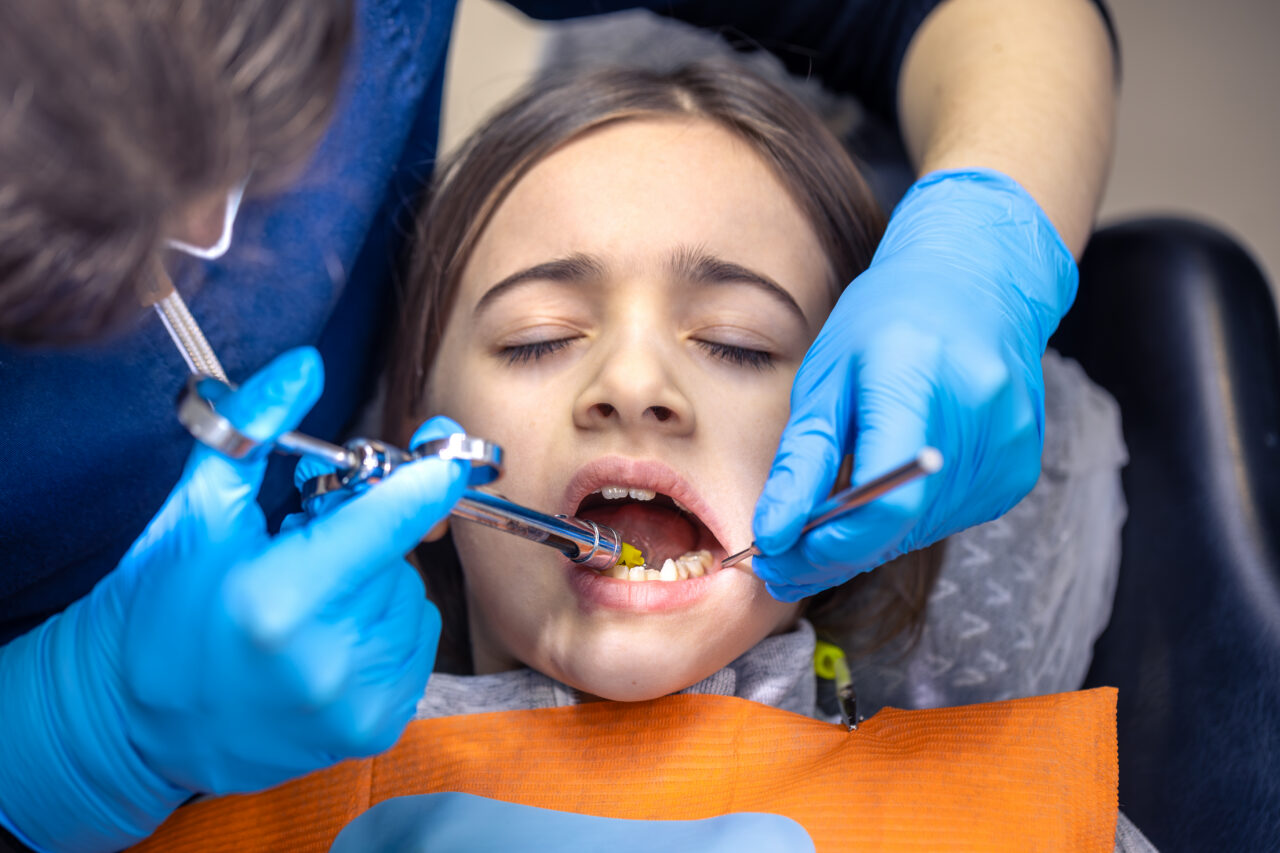
Your first appointment begins with a thorough review of your dental and medical history, followed by a comprehensive emergency dental examination. The dentist carefully evaluates your teeth, gums, bite, existing restorations, and overall oral health to identify any concerns that may have developed since your last visit.
Dental x-rays are often recommended to detect problems that cannot be seen during a visual examination, including decay between teeth, infection around the roots, bone loss, or changes beneath existing restorations. A periodontal evaluation helps assess the health of your gums and supporting bone, while a professional dental cleaning removes plaque and tartar that cannot be eliminated through routine brushing alone.
Patients requiring same day dental appointments Issaquah can often begin treatment promptly after the examination. Depending on the findings, your personalised treatment plan may include dental fillings, dental crowns, or root canal treatment to restore oral health and prevent future complications.
Conclusion
Skipping dental checkups for several years does not always cause immediate pain, but many dental conditions continue to develop quietly over time. Tooth decay, gum disease, worn restorations, and other oral health concerns often progress gradually, making regular examinations an important part of maintaining healthy teeth and gums.
Returning to the dentist after a long gap provides an opportunity to identify problems early, receive appropriate treatment, and establish a preventive care plan tailored to your needs. Early diagnosis often allows simpler, more conservative treatment while helping preserve your natural teeth.
At NW Emergency Dentist, Dr. Prabhjot Sidhu provides comprehensive dental examinations, advanced diagnostic imaging, and personalised treatment plans for patients returning after years without routine dental care. Through evidence-based diagnosis and preventive dentistry, patients receive the guidance and treatment needed to restore and maintain long-term oral health.