

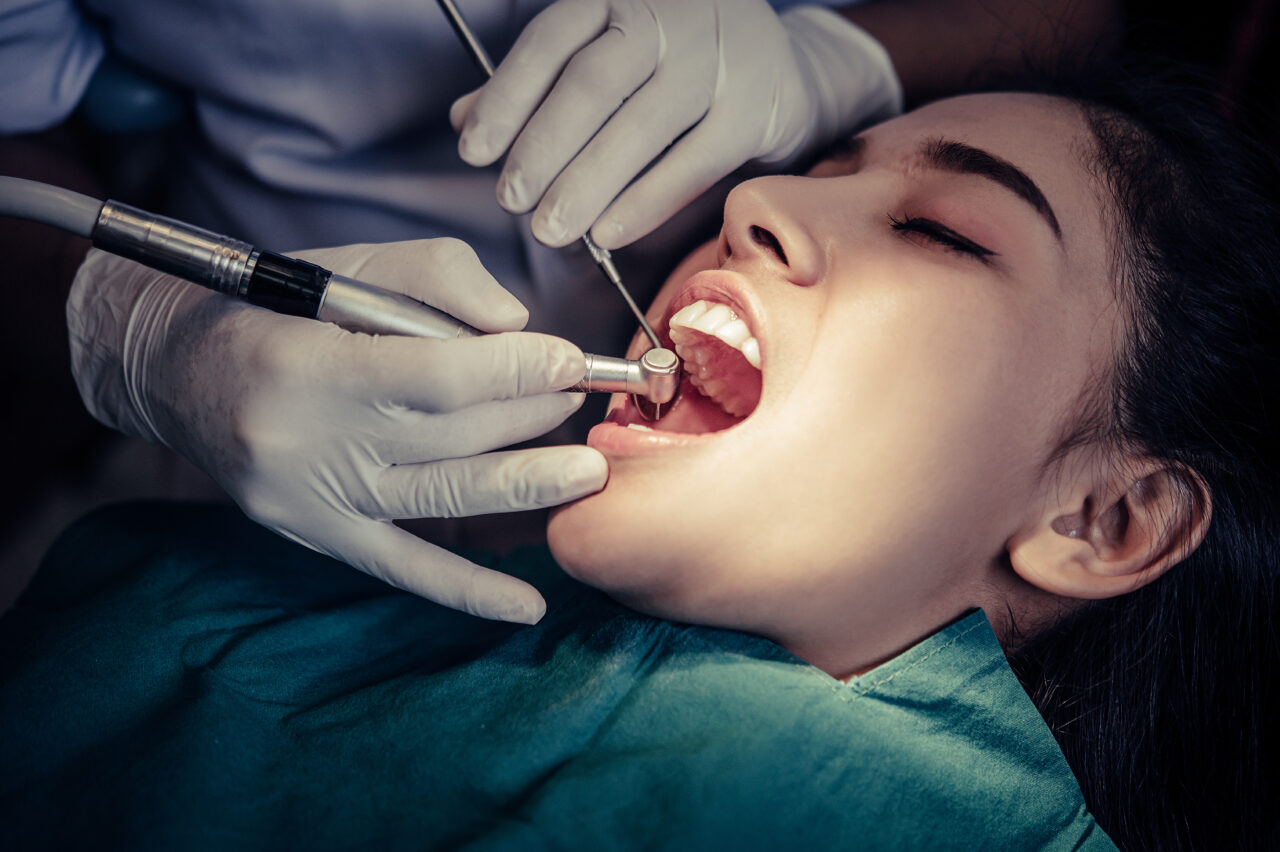
Many people expect immediate relief once the procedure is complete. While a root canal often removes the source of infection or inflammation inside the tooth, the healing process does not always end the moment treatment is finished.
In fact, some degree of discomfort following a root canal treatment is fairly common, particularly during the first several days. The type of discomfort, how long it lasts, and whether it improves over time are often more important than the fact that symptoms exist at all.
Patients visiting NW Emergency Dentist in Issaquah are sometimes concerned that any lingering soreness means the procedure was unsuccessful. In many situations, however, the tooth and surrounding tissues are simply recovering from a condition that may have been developing for weeks, months, or even longer before treatment took place.
Understanding what happens during healing can make it easier to distinguish between normal recovery and symptoms that deserve further evaluation.
A Root Canal Treats the Inside of the Tooth
To understand why discomfort can continue temporarily, it helps to understand what a root canal is designed to treat.
Inside every tooth is a soft tissue known as the pulp. This area contains nerves, blood vessels, and connective tissue. When the pulp becomes inflamed or infected, patients may develop symptoms such as lingering sensitivity, throbbing pain, swelling, or discomfort while chewing.
During a root canal treatment, the damaged tissue is removed, the internal canals are carefully cleaned, and the space is sealed to help prevent future infection.
Although the nerve inside the tooth is removed, the structures surrounding the tooth remain very much alive. The ligament that supports the tooth, the surrounding bone, and nearby tissues may all have experienced inflammation before treatment began. Those tissues often require time to settle and heal after the procedure is completed.
Why Mild Discomfort After a Root Canal Can Be Normal
Many teeth requiring root canal treatment have already experienced significant irritation before patients ever arrive at the dental office.
An inflamed or infected tooth may have been exposed to pressure, swelling, bacteria, or ongoing irritation for an extended period of time. Even after the source of the problem is removed, the surrounding tissues do not instantly return to normal.
This is similar to how a sore ankle may remain tender for a period after the injury causing the pain has been addressed.
Following treatment, patients may notice:
- mild soreness while chewing
- tenderness around the treated tooth
- sensitivity when biting down
- awareness of the tooth during daily activities
- minor discomfort in the surrounding gum tissue
These symptoms often improve gradually as healing progresses.
According to Dr. Prabhjot Sidhu, patients are frequently reassured to learn that temporary discomfort after a root canal does not automatically indicate a problem. The condition of the tooth before treatment often influences how the recovery process feels afterward.
A tooth treated shortly after symptoms begin may recover differently than one that has been affected by a longstanding tooth infection or significant inflammation.
The Surrounding Ligament Often Plays a Role
One aspect of root canal recovery that patients do not always realize is that the supporting ligament around the tooth can remain sensitive even after the internal infection has been treated.
This ligament acts as a cushion between the tooth and the surrounding bone. When inflammation develops around the root, the ligament may become irritated and more reactive to pressure.
As a result, some patients notice discomfort primarily when chewing or biting rather than when the tooth is simply sitting at rest.
In many cases, this sensitivity improves gradually as inflammation decreases and the surrounding structures recover. Patients often describe the sensation as feeling “bruised” rather than experiencing the severe nerve pain that existed before treatment.
The distinction between pressure-related soreness and persistent throbbing pain is often useful when evaluating whether healing is progressing normally.
Why the Tooth May Feel Different Than Before
Even after successful treatment and healing, some patients continue noticing that the tooth feels different from neighboring teeth.
That does not necessarily mean something is wrong.
A tooth that has undergone a root canal no longer contains the same internal nerve tissue it once did. While the tooth remains functional and can continue serving its purpose for many years, the way it responds to pressure and surrounding sensations may feel slightly different.
Patients sometimes become highly aware of the treated tooth immediately after the procedure because they have spent weeks focusing on pain, sensitivity, or discomfort in that area.
As healing progresses and daily activities return to normal, this heightened awareness often becomes less noticeable.
In some cases, a final restoration such as a dental crown may also influence how the tooth feels initially while patients adjust to the restored biting surface.
Recovery Can Vary from One Patient to Another
One reason root canal recovery generates so many questions is that there is no single healing experience that applies to everyone.
Several factors can influence how recovery feels, including:
- the severity of infection before treatment
- the location of the tooth
- the complexity of the root canal system
- existing inflammation around the root
- bite pressure on the treated tooth
- overall oral health
Patients throughout Issaquah often compare their experience to someone else’s and become concerned when the timelines do not match exactly. In reality, healing is highly individual, and symptoms should be evaluated based on their overall trend rather than direct comparisons with another person’s recovery.
A gradual reduction in discomfort generally provides more useful information than focusing on whether the tooth feels completely normal immediately after treatment.
Why Biting Pressure Sometimes Feels Different After Treatment
A common concern after a root canal is discomfort that only appears while chewing. Patients often explain that the tooth feels fine most of the day but becomes tender when biting into certain foods.
In many cases, this sensation is related to the tissues surrounding the root rather than the inside of the tooth itself. Before treatment, inflammation may have extended beyond the pulp and affected the ligament and bone around the root tip. Even after the source of infection is removed, those structures may still need time to recover.
Another possibility involves bite pressure.
After a root canal, a tooth that sits slightly higher than intended can receive more force during chewing than neighboring teeth. Even a small difference in bite alignment may create tenderness when eating. This is one reason dentists often check bite contact carefully after treatment and make adjustments when necessary.
Patients sometimes describe the feeling as though the tooth is being “hit first” when they close their mouth. When bite pressure is contributing to the discomfort, correcting the contact points can often improve symptoms significantly.
What If the Pain Improves and Then Returns?
Recovery is not always perfectly linear. Some patients feel considerably better for several days before noticing discomfort again. Understandably, this can create concern that something has gone wrong.
There are several reasons symptoms may fluctuate during healing. Increased chewing on the treated side, irritation from harder foods, temporary inflammation, or changes in bite pressure can all affect how the area feels from day to day.
What dentists typically pay attention to is the overall direction of healing. A tooth that is gradually becoming more comfortable over time is generally behaving differently from one that develops increasing pain, swelling, or worsening symptoms after an initial period of improvement. Patients often focus on individual bad days, while clinicians tend to evaluate the broader pattern across several days or weeks.
The Restoration Placed on the Tooth Matters Too
A root canal treats the inside of the tooth, but protecting the tooth afterward is equally important.
Depending on the condition of the tooth, a filling, temporary restoration, or dental crown may be recommended following treatment. Teeth that have experienced significant decay or structural damage are often more vulnerable to fracture without proper reinforcement.
Occasionally, lingering discomfort may be related to the restoration itself rather than the root canal procedure. Bite pressure, temporary irritation around the restoration, or adjustments as the mouth adapts can all influence how the tooth feels during recovery.
This is one reason follow-up visits remain an important part of treatment. They allow dentists to confirm that both the tooth and the restoration are functioning as expected.
When Discomfort Deserves Reevaluation
While mild soreness can be part of the normal healing process, certain symptoms generally warrant a closer look.
Patients should consider contacting their dentist if they experience:
- worsening pain rather than gradual improvement
- significant swelling
- discomfort that interferes with sleep
- pressure sensitivity that continues without improvement
- a return of symptoms after an extended period of feeling normal
- difficulty chewing several weeks after treatment
These symptoms do not automatically mean the root canal has failed. In many situations, the issue may involve bite pressure, surrounding inflammation, a restoration that needs adjustment, or another factor that can be identified through examination.
Patients seeking Urgent Dental Care in Issaquah after a recent root canal are often relieved to learn that persistent discomfort frequently has an identifiable explanation rather than indicating a serious complication.
What Dentists Look for When Symptoms Continue
When a patient returns because a treated tooth still feels uncomfortable, the evaluation typically focuses on determining whether healing is progressing appropriately and identifying anything that may be interfering with recovery.
This may include:
- reviewing symptom history
- checking bite alignment
- evaluating the restoration
- examining surrounding gum tissue
- assessing pressure sensitivity
- taking updated x-rays
- looking for signs of ongoing inflammation
At NW Emergency Dentist, Dr. Prabhjot Sidhu often reminds patients that post-treatment discomfort should be evaluated in context. The condition of the tooth before treatment, the complexity of the case, and the nature of the symptoms all contribute to understanding what the recovery process should look like.
A careful examination often provides reassurance when healing is progressing normally and helps identify any adjustments that may be needed when symptoms persist longer than expected.
Recovery Is Usually a Process, Not an Instant Change
Many dental procedures involve a period of healing, and root canal treatment is no exception. While the procedure removes the source of infection or inflammation inside the tooth, the surrounding tissues still need time to recover from the effects of the original problem.
Patients often notice that improvement occurs gradually rather than all at once. Chewing becomes more comfortable, tenderness decreases, and awareness of the treated tooth fades over time.
The expectation should not necessarily be immediate perfection, but rather steady progress toward greater comfort and function.
Conclusion
Feeling some discomfort after a root canal treatment does not automatically mean something is wrong. The tissues surrounding the tooth often need time to heal, particularly when infection or inflammation was present before treatment. Mild soreness while chewing, pressure sensitivity, or temporary awareness of the treated tooth can all occur as part of the recovery process.
What matters most is how the symptoms behave over time. Discomfort that gradually improves is often very different from pain that becomes more intense, returns unexpectedly, or begins affecting normal daily activities.
At NW Emergency Dentist, Dr. Prabhjot Sidhu helps patients throughout Issaquah understand what to expect after treatment and evaluates lingering symptoms when questions arise. Whether the discomfort is related to healing, bite pressure, a restoration, or another factor, identifying the reason behind the symptoms is often the most important step toward restoring confidence and comfort after treatment.