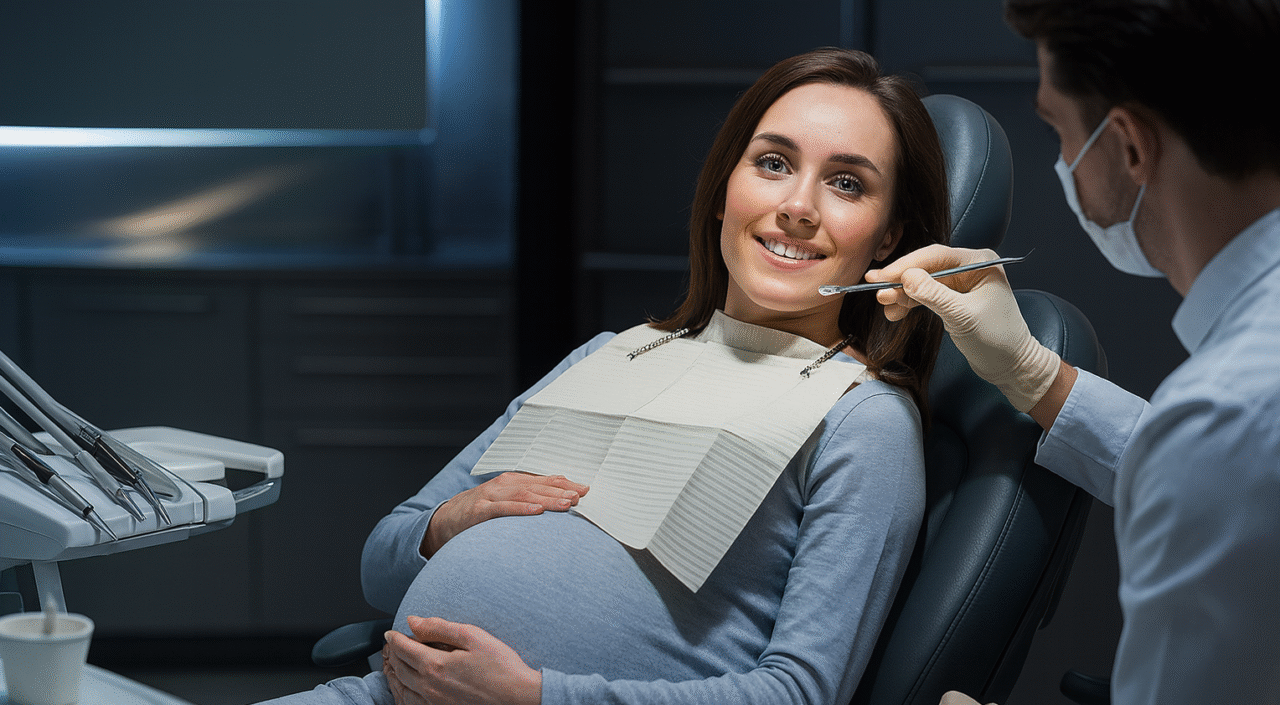
Pregnancy is a beautiful journey but it can bring unexpected oral health changes. Hormonal shifts, morning sickness, and lifestyle adjustments can increase the likelihood of dental emergencies. At NW Emergency Dentist, we’ve seen the solution of mothers facing dental problems during pregnancy, that with proper care, could have been avoided.
In this blog, we’ll explore how pregnancy impacts oral health, common dental issues, safe practices for care, and key preventive tips to help expecting mothers keep both their smile and their baby safe.
How Pregnancy Affects Oral Health?
Hormonal fluctuations especially elevated estrogen and progesterone can significantly affect the gums and oral tissues:
- Pregnancy Gingivitis: Up to 75% of pregnant individuals experience red, swollen, or bleeding gums, particularly in the second and third trimesters.
- Increased Tooth Mobility: Hormones can soften periodontal tissues, leading to mild tooth looseness—usually temporary but alarming.
- Enamel Erosion: Morning sickness and increased acid exposure elevate cavity risk.
- Pregnancy Tumors: Benign gum overgrowths (pyogenic granulomas) may appear and interfere with hygiene, though they often regress post-pregnancy.
Common Dental Problems During Pregnancy
Some dental conditions require heightened awareness due to their rapid progression:
- Unmanaged Gingivitis: Can escalate into periodontal disease, risking tooth loss and infection.
- Untreated Cavities: Saliva changes and morning nausea often result in delayed care, which worsens decay.
- Oral Infections: Bacterial infections can affect both mother and child, potentially leading to preterm birth or low birth.
- Emergency Conditions: Abscesses or severe pain require prompt attention during pregnancy, as delays can complicate treatment.
The Risks of Ignoring Dental Health
Pregnancy often brings a packed schedule of prenatal visits, dietary changes, and emotional ups and downs—so it’s easy to overlook something like bleeding gums or tooth sensitivity. But neglecting dental emergencies during pregnancy, even temporarily, can have far-reaching effects on both the mother and the developing baby.
• Impact on Baby’s Health
Poor oral health has been directly associated with adverse pregnancy outcomes. Research shows a strong link between periodontal disease (gum infections) and complications such as preterm labor, preeclampsia, and low birth weight. The bacteria from untreated gum infections can enter the bloodstream, potentially triggering an inflammatory response that affects the placenta and fetal development. This systemic inflammation is believed to play a role in early uterine contractions, making it critical to address even mild symptoms early on.
• Maternal Complications
What starts as minor gum inflammation can escalate into severe infections like abscesses or advanced periodontitis if left untreated. These infections don’t just stay in the mouth, they can compromise the body’s immune system, increasing fatigue, worsening gestational diabetes, or even leading to sepsis in extreme cases. Additionally, treating these issues becomes more complicated as pregnancy progresses, especially when anesthesia or medications must be carefully selected.
• Missed Preventive Windows
The second trimester is generally considered the safest time for most dental treatments, including cleanings, fillings, and non-emergency procedures. Postponing care until late pregnancy or after delivery may lead to avoidable complications.
For instance, a simple cavity that could’ve been treated with a filling during the second trimester might worsen into a painful infection requiring urgent intervention later. Additionally, post-delivery recovery leaves little room for unplanned dental visits, especially with newborn care demands.
Preventive Dental Care Tips for Expectant Mothers
Maintaining oral health during pregnancy is both safe and beneficial when done right:
- Schedule Checkups: Ideally in the second trimester, but emergency treatments are safe at any stage.
- Daily Hygiene Matters: Brush twice with fluoride toothpaste and floss daily to reduce plaque buildup.
- Handle Morning Sickness Smartly: Rinse with water or fluoride rinse before brushing rather than brushing immediately after vomiting.
- Watch Your Diet: Limit acidic/sugary foods and include calcium-rich options for enamel and fetal dental development.
- Stay Hydrated: Combat dry mouth, especially if mouth breathing increases as pregnancy progresses.
Dental Treatments: Safe Options During Pregnancy
Concerned moms-to-be often wonder what dental treatments are permissible:
- Routine Cleanings & Exams: Safe and recommended for maintaining oral health.
- X-rays: Modern digital X-rays use minimal radiation and are safe at any stage especially when medically necessary. Lead aprons are often used for added precaution, though some guidelines no longer require them.
- Local Anesthetics and Fillings: Safe, especially in the second trimester. Avoid unnecessary or cosmetic dentistry during the first trimester when possible.
When to Seek Emergency Dental Care?
Contact a dentist at NW Emergency Dentist immediately if you experience:
- Persistent bleeding or pain in gums
- Swelling or abscess formation
- Severe tooth sensitivity or jaw pain
- Symptoms of infection like fever or swollen lymph nodes
We adhere to ADA and ACOG recommendations for safe, comfortable care tailored to pregnancy needs.
How NW Emergency Dentist Supports Expectant Moms?
At NW Emergency Dentist, we’re passionate about providing safe, effective dental care for pregnant patients:
- Gentle, pregnancy-aware services including General Dental Services and Emergency Dental Services.
- Collaborative care with OB-GYNs to align treatment with each trimester’s safety profile.
- Proactive prevention through cleanings, safe X-rays, and fluoride treatments always with mom and baby’s health in mind.
Schedule Your Preventive Visit Today
Don’t wait for symptoms to worsen. Early dental care helps prevent emergencies and fosters a healthy pregnancy and baby.
Use our Schedule Call Now widget to book your appointment at NW Emergency Dentist and stay ahead of oral health risks.
Conclusion
Pregnancy transforms many parts of life including your mouth. But with intentional care, timely professional support from NW Emergency Dentist, and safe treatment strategies not just dental emergencies, but also long-term wellness you can protect both your smile and your growing baby.
Let’s make your journey as healthy as possible, start by booking your dental checkup today.
FAQs
Q: Are dental X-rays safe during pregnancy?
Yes, modern digital X-rays expose you to very low radiation and are safe with proper precautions.
Q: Which trimester is best for dental work?
The second trimester is ideal for routine treatment; avoid non-urgent dental care in the first trimester if possible.
Q: Can gum disease affect my baby?
Yes. Untreated gum disease has been linked to preterm birth, low birth weight, and even preeclampsia .
Q: What should I do if I experience morning sickness?
Rinse your mouth with water or fluoride rinse before brushing this helps prevent enamel erosion from stomach acid .