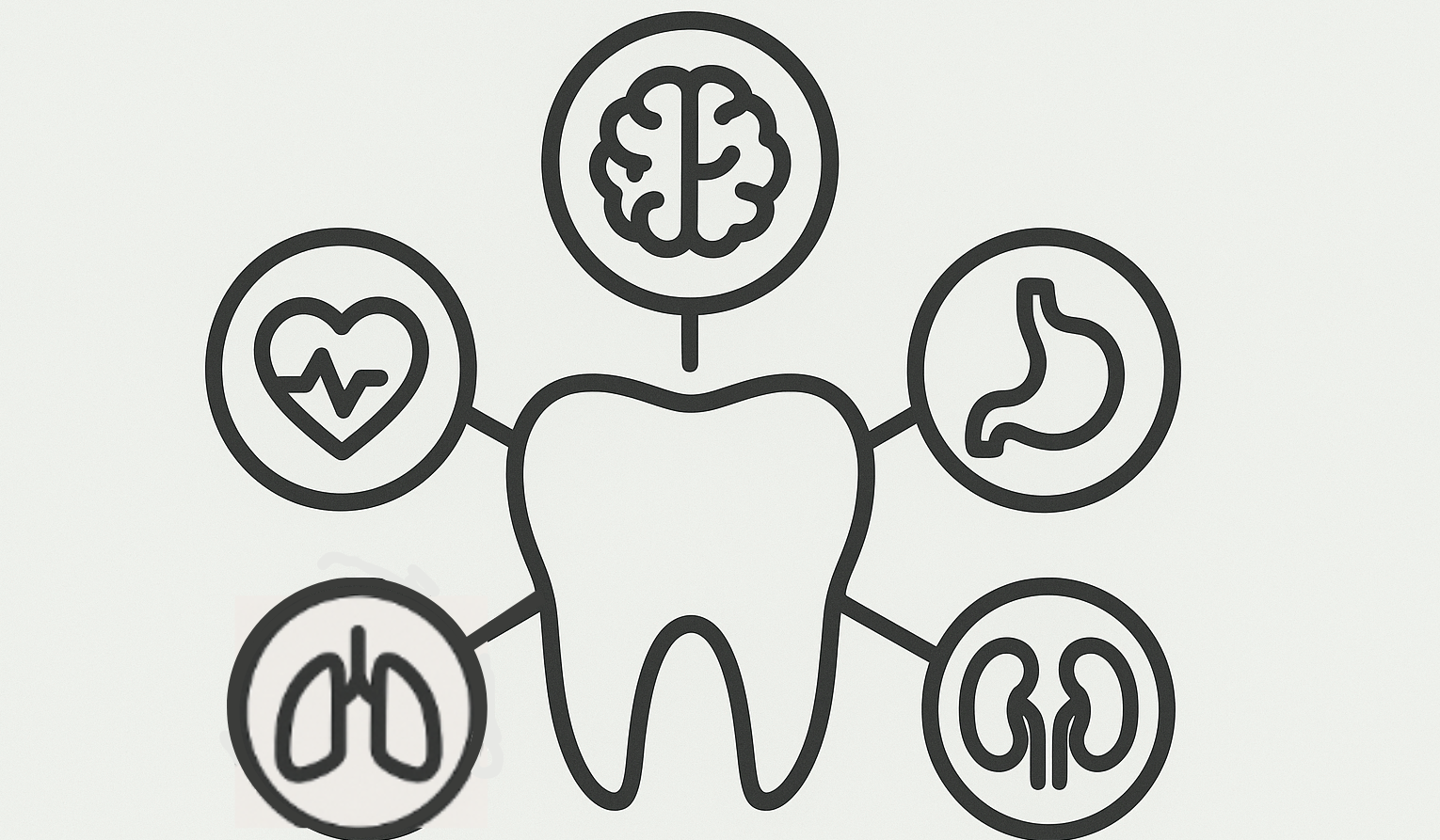
When a toothache strikes or you notice sudden gum swelling, it’s easy to think of it as an isolated dental issue. But for many, the roots run deeper. Chronic health conditions like diabetes, heart disease, and autoimmune disorders can significantly increase the risk of dental emergencies, including infections, gum disease, abscesses, and tooth loss.
At NW Emergency Dentist, our experienced team regularly treats patients whose dental symptoms are intertwined with systemic health issues. In this blog, we’ll unpack how chronic illnesses impact your oral health, why timely dental care is essential, and how proactive collaboration between your medical and dental providers ensures optimal outcomes.
Why Chronic and Dental Health Are Interconnected?
Your mouth is the gateway to the rest of your body. That’s why the American Heart Association, ADA, and ADA Council on Scientific Affairs emphasise the importance of oral health, especially for those with chronic illnesses. Key mechanisms include:
- Persistent inflammation: Chronic diseases often compromise your immune response, making it harder to combat oral bacteria.
- Circulatory impact: Conditions like heart disease or hypertension may reduce blood flow to gums, impairing healing and increasing infection risk.
- Medication side effects: Many chronic condition medications can cause dry mouth or altered oral flora, raising the risk for gum disease and cavities.
These vulnerabilities can transform minor oral issues into full-blown dental emergencies.
Common Chronic Health Conditions That Increase Dental Emergency Risk
1. Diabetes
- Poor glucose control weakens gum tissue, enabling advanced gum disease 20–30% higher in diabetic adults.
- Diabetics face higher abscess risk, slower healing, and increased treatment resistance.
- Emergency scenarios include painful infections, swelling, and the need for urgent extraction or scaling.
2. Heart Disease
- Oral bacteria can enter the bloodstream and potentially attach to diseased heart valves, leading to infective endocarditis.
- Routine dental care, including emergency visits, is vital you should not delay for cardiac health.
3. Autoimmune Disorders (e.g., Lupus, Rheumatoid Arthritis)
- Medications like steroids or immunosuppressants reduce the body’s ability to fight infection.
- Gum inflammation, oral sores, and ulcers may rapidly turn into secondary infections.
4. Cancer (especially head/neck or chemotherapy)
- Both radiation and chemo can damage salivary glands and lower immunity.
- Oral side effects like mucositis and opportunistic infections become emergencies if left untreated.
5. Osteoporosis
- Medications such as bisphosphonates may lead to jawbone issues particularly after extraction.
- A loose tooth or swelling may signal a need for urgent evaluation to avoid complications.
How Chronic Health Conditions Lead to Dental Emergencies?
Here are some of the most common links:
Respiratory Infections
Untreated gum disease increases the risk of aspiration pneumonia, especially in patients with compromised respiratory health.
Oral Abscesses & Systemic Infections
Chronic illnesses allow oral infections to spread more easily. A simple cavity can develop into an abscess and escalate into a life-threatening infection.
Delayed Healing
Even routine procedures like extractions or implants may require emergency follow-up due to slow wound healing.
For abscess drainage or emergency care for diabetic or heart patients, check out our Emergency Dental Services to request swift assistance.
Signs Your Chronic Condition Is Affecting Your Oral Health
If you have a chronic condition, watch for these dental red flags:
- Swollen, bleeding gums or sudden gum recession
- Persisting bad breath or taste
- Severe tooth sensitivity or pain
- Swelling around teeth or jaw
- Sores or ulcers that don’t heal
- Loose teeth or shifting bite
- Difficulty chewing or speaking
Ignoring these signals puts you at risk for serious health consequences. Prompt treatment can prevent complications.
What Happens During an Emergency Visit to NW Emergency Dentist?
Our team takes a thorough, patient-centered approach for medically complex cases:
- In-Depth Medical & Dental Review
We review your full medical history, medications, and doctor’s notes. - Precise Diagnosis
Using digital imaging, we identify abscesses, bone loss, and structural concerns. - Safe, Customized Care
- Abscess drainage with antibiotics as needed
- Urgent root canal or extraction
- Gum therapy to target active gum disease
- Coordination with your physician for antibiotic pre-medication (if cardiac risk is present)
- Aftercare Planning
We prioritize gentle care that promotes healing, considering any chronic medications or conditions.
Preventive Steps for Those with Chronic Conditions
Prevention is key. Here’s how to stay ahead:
- Schedule cleanings and checkups every 3–4 months
- Continue daily brushing and interproximal care
- Control blood sugar levels and monitor your oral health
- Use saliva-stimulating products or mouth rinses if on dry-mouth medications
- Apply topical fluoride to reduce cavity risk
- Notify all healthcare providers about new medications or dental complaints
Our General Dental Services and Restorative Dental Services support this proactive approach.
Emergency Root Canals & Follow-Up for Medically Complex Patients
When a tooth becomes infected, a root canal may be the safest solution—eliminating infection while preserving the structure and avoiding extraction-related bleeding. We proudly offer emergency root canal treatment, protecting both your oral and systemic health. Learn more on our Root Canal page.
The “Clinic Insight” You Should Know
At NW Emergency Dentist, around 40% of medical-emergency dental cases involve chronic illnesses like diabetes or heart disease. Many of these progress directly from neglected hygiene or missed checkups. Over 60% could have been prevented with early intervention or consistent hygiene monitoring.
Dentistry as a Critical Partner in Healthcare
Chronic health conditions and oral infections are deeply connected. Poor oral care can lead to crises—with widespread health consequences. But with proactive dental care, advocacy, and collaboration with medical professionals, you can significantly reduce your risk.
Whether you’re managing chronic illness or simply aiming to support your long-term wellness, NW Emergency Dentist is here to help with fast, informed, and compassionate dental care.
Don’t wait for a dental emergency schedule a call now to protect your oral and overall health today.