When your dentist says you need a filling, your first thought might be: “Do I really need it?” It’s a valid question—and one many patients ask. While fillings are essential for stopping decay from worsening, not all situations are black and white. With the right preventive care strategy, you may even avoid them altogether.
In this blog, we’ll explore how preventive dentistry helps you save both time and money—and when fillings are truly necessary.
What Is a Dental Filling?
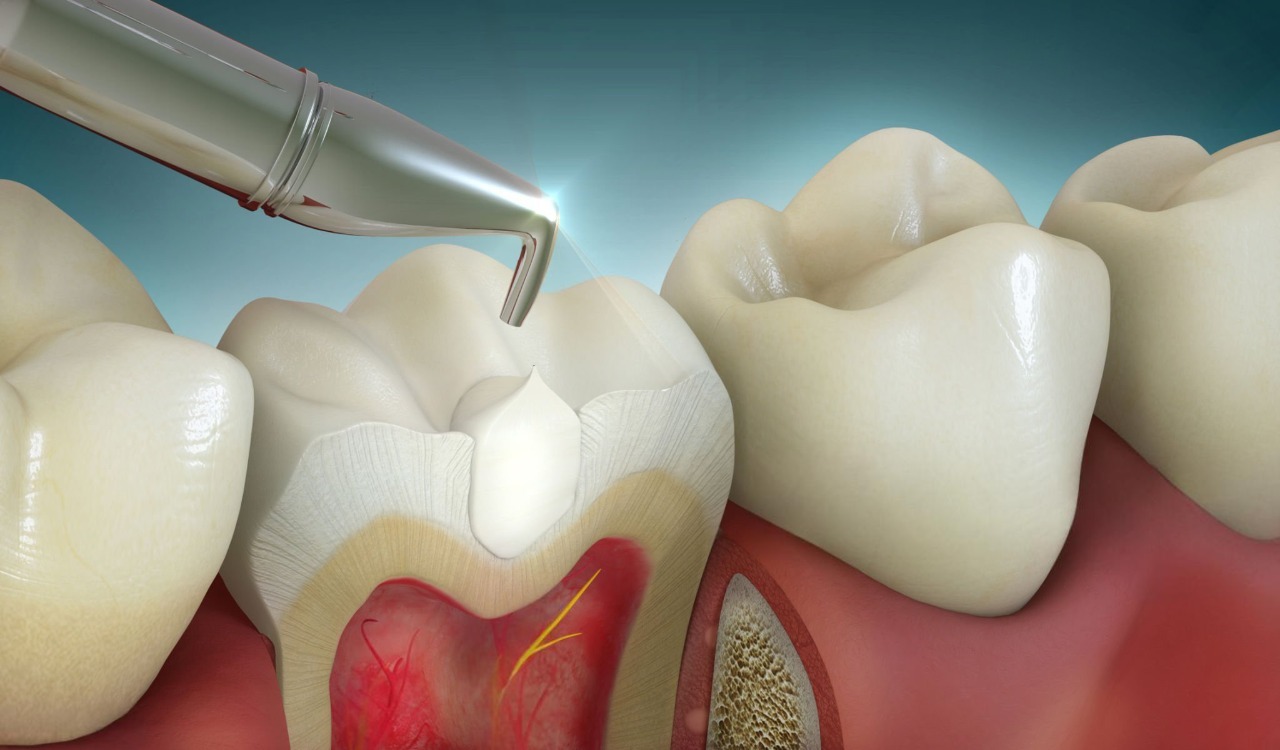
A dental filling is a common restorative treatment used to repair a tooth that has been damaged by decay. The procedure involves removing decayed material and replacing it with a durable substance like composite resin or amalgam. It restores tooth function and prevents further damage.
Fillings not only restore strength but also seal off areas where bacteria could enter. When decay is caught early, a small filling can prevent the need for more invasive treatments like root canals or crowns.
Common Reasons Dentists Suggest Fillings
Dentists typically recommend fillings for cavities, chips, cracks, or areas of wear caused by grinding or erosion. Early-stage tooth decay is often painless, which is why patients are surprised to hear they need a filling.
That’s why regular checkups are essential. They allow your dentist to detect these small issues before they escalate into something more serious.
Can Some Fillings Be Delayed or Avoided?
In certain cases, especially with very early decay or demineralization, your dentist may suggest monitoring the area or using fluoride to remineralize the enamel. With a strong preventive care plan, some small lesions can be reversed before a filling is needed.
It’s not about avoiding treatment entirely but making smart, timely decisions based on evidence and your unique dental history.
The Power of Preventive Dentistry
Preventive dentistry focuses on keeping your teeth healthy before problems arise. This includes regular exams, cleanings, fluoride applications, sealants, and patient education. The goal is to stop dental issues in their tracks rather than react once damage is done.
It empowers patients to take control of their oral health with consistency and awareness—leading to fewer emergencies and lower dental bills.
Key Services Included in Preventive Dentistry
Preventive care involves professional cleanings to remove tartar, dental sealants to protect chewing surfaces, and fluoride treatments to strengthen enamel. These services, combined with daily brushing and flossing, significantly reduce your risk of needing a filling.
Additionally, routine X-rays and oral exams help detect changes early—sometimes before you even notice symptoms.
How It Helps You Avoid Unnecessary Fillings?
By removing plaque, reinforcing enamel, and spotting decay early, preventive care reduces the likelihood that cavities form in the first place. It also allows your dentist to monitor early enamel breakdown without immediately resorting to drilling.
This proactive approach means you spend less time in the chair—and keep more money in your pocket.
Early Detection: The Game Changer in Oral Health
Dental issues often progress silently. You may not feel pain until a cavity is deep or a tooth cracks. Regular exams every six months allow your dentist to catch and treat problems early, when solutions are simpler and less invasive.
That small spot on your X-ray today could be tomorrow’s filling or worse if left untreated.
X-Rays and Diagnostic Tools Dentists Use
Modern dental practices use high-resolution X-rays, intraoral cameras, and digital scans to get a clear view of what’s happening inside and between your teeth. These tools help diagnose decay, cracks, and wear that might otherwise go unnoticed.
They also allow your dentist to track changes over time and make evidence-based decisions.
Spotting and Reversing Early Tooth Decay
In its earliest stages, tooth decay can be reversed with fluoride and dietary changes. When caught at this point, you may be able to avoid drilling altogether. That’s a huge benefit of consistent preventive care it buys you time and options.
It’s proof that not every “watch-and-wait” scenario is a risk; sometimes, it’s smart care.
Time and Cost Benefits of Prevention Over Treatment
Fillings vs. Prevention: The Cost Comparison
A single filling can cost hundreds of dollars, while a basic cleaning and checkup are far less expensive. Multiply that over a lifetime, and you’re looking at substantial savings with a preventive care plan.
Investing in preventive dental treatment reduces your total dental expenses while improving long-term outcomes.
Saving Time with Shorter, Simpler Appointments
Preventive visits are shorter and more predictable than treatment visits. No drilling, no numbing, no recovery time. That means fewer disruptions to your schedule and a less stressful experience overall.
And let’s be honest,most people would rather avoid the sound of a dental drill if they can.
Reducing the Risk of Future Invasive Treatments
When small problems are caught early, they’re easier and less expensive to treat. Preventing one cavity now can prevent a chain reaction of future fillings, crowns, or root canals.
It’s the classic domino effect stop the first one, and you stop them all.
Smart Habits That Support Preventive Dentistry
Daily Brushing and Flossing Techniques
Brush twice a day with fluoride toothpaste and floss daily. It’s basic, but it’s also powerful. Use a soft-bristled toothbrush and gentle circular motions to avoid damaging enamel.
Proper technique and consistency matter more than the brand of toothpaste you use.
Fluoride Treatments and Dental Sealants
Professional fluoride treatments strengthen enamel, especially for patients prone to cavities. Sealants protect hard-to-clean grooves on molars and are highly effective in kids and teens.
Adults can benefit too, especially if their enamel is worn or weakened.
Nutrition Tips for Stronger Teeth
Limit sugary snacks, carbonated drinks, and acidic foods. Opt for cheese, leafy greens, and crunchy fruits like apples and carrots. These not only nourish your body but also help keep your teeth clean between brushes.
Hydration is key, water helps rinse food debris and supports saliva production.
When a Filling Is the Right Call?
Signs You Shouldn’t Ignore Tooth Decay
Persistent sensitivity, visible holes, or dark spots on your tooth are red flags. Pain when biting or sweet sensitivity often indicates a cavity that’s progressed too far for reversal.
In these cases, a filling is not optional, it’s essential.
The Risks of Putting Off a Necessary Filling
Delaying a needed filling can turn a small cavity into a big problem. You risk infection, pain, and even tooth loss. What could’ve been a 30-minute appointment becomes a costly root canal or extraction.
Acting early saves both your tooth and your wallet.
Choosing the Right Material for Your Filling
Composite fillings are popular for their natural appearance, while amalgam remains durable for back teeth. Your dentist can help you choose the best material based on the tooth’s location and your aesthetic preferences.
Don’t be afraid to ask questions- knowing your options puts you in control.
How NW Emergency Dentist Prioritizes Preventive Care?
Our Comprehensive Exams and Patient Education
At NW Emergency Dentist, we believe education is the cornerstone of prevention. We take time during every exam to explain what we see and why it matters. You’re not just a patient- you’re a partner in your care.
We empower you with the knowledge you need to make informed choices.
Conservative, Transparent Treatment Philosophy
We don’t believe in over-treating. If a filling can be avoided safely, we’ll monitor the area and guide you on strengthening your enamel at home. Honesty and transparency are at the heart of everything we do.
Our goal is always the least invasive, most effective solution.
Preventive Plans Tailored to Your Dental Health
From cleanings to fluoride to sealants, our team creates a customized preventive care plan based on your risk factors and goals. Whether you’ve had multiple fillings or none at all, we’ve got a plan to keep it that way.
And we’re available 7 days a week, including Sundays, for any urgent needs.
Prevention Is the Smartest Dental Investment
Dental health doesn’t need to be expensive or stressful. With the right preventive strategy, you can avoid unnecessary fillings, reduce your dental expenses, and keep your smile healthy for years to come.
So, do you really need that filling? Maybe. But with expert guidance from NW Emergency Dentist, you’ll always know what’s necessary and what’s not.
Ready to take control of your oral health? Schedule a preventive visit today and save your teeth—and your budget—from future headaches.