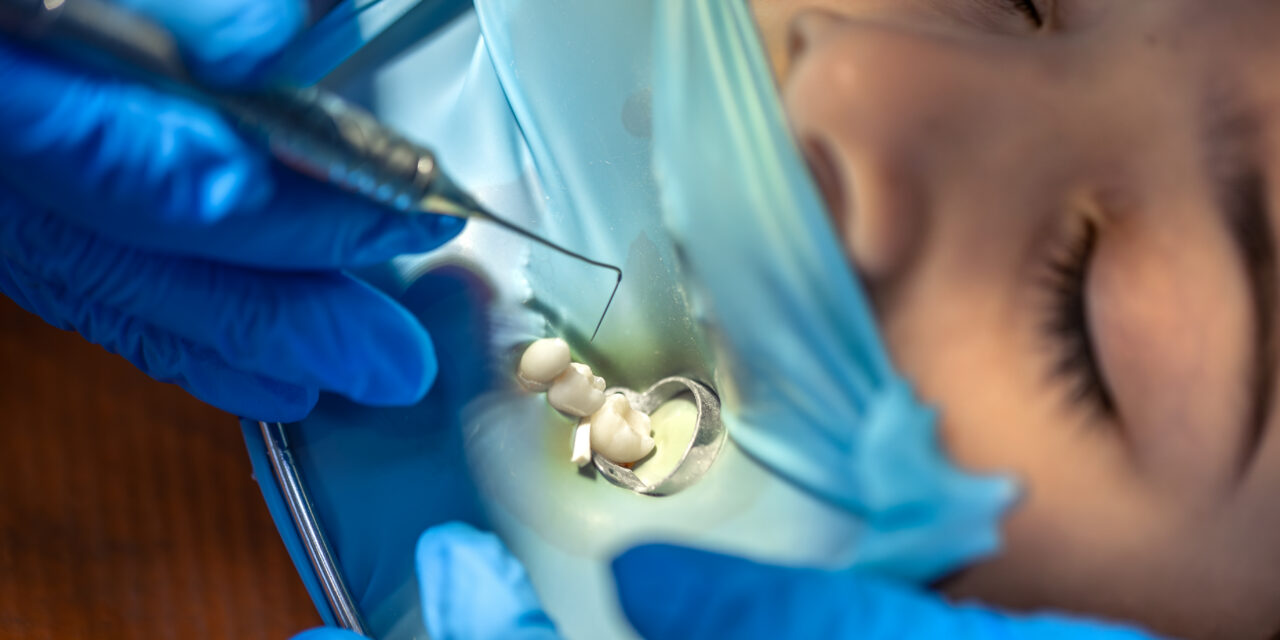
A dental filling is designed to restore a damaged tooth and allow it to function comfortably for many years. After the initial healing period, most patients expect the treated tooth to feel completely normal again. When sensitivity develops several months later, it often raises an important question: is this simply a temporary change, or is...
Facial or jaw swelling is one of the more significant signs dentists evaluate because it often indicates that the body’s tissues are responding to an underlying problem. While swelling itself is not a diagnosis, it provides valuable clinical information about what may be happening beneath the surface. The cause may involve the teeth, gums, supporting...
A dental infection often begins in one specific area, but many patients wonder whether it can remain isolated or if it has the potential to affect surrounding tissues over time. The answer depends on several factors, including where the infection started, how long it has been present, and whether it receives appropriate treatment. Not every...
Many patients use the terms “gum infection” and “tooth infection” interchangeably, assuming they describe the same condition. Although both involve bacterial activity inside the mouth, they affect different tissues and often develop in different ways. Understanding that distinction can help explain why symptoms vary from one person to another and why treatment recommendations may not...
A tooth abscess can be an uncomfortable and worrying experience. Many patients first notice swelling around a tooth or gum, followed by pressure, tenderness, or persistent discomfort. Then, sometimes quite suddenly, the pressure seems to disappear. The swelling decreases, the pain becomes less intense, and an unpleasant taste may appear in the mouth. For many...
Most people associate a tooth infection with severe pain. Movies, television shows, and even personal experiences often reinforce the idea that an infected tooth always causes intense throbbing discomfort that cannot be ignored. While that can certainly happen, it is not the only way a dental infection presents itself. Dentists regularly evaluate patients who have...
Seeing blood while brushing or flossing is something many people experience at some point, especially around areas that feel slightly tender or difficult to clean thoroughly. Because it is so common, bleeding gums are often dismissed as a minor issue or blamed entirely on brushing too hard. In some situations, temporary irritation can happen. Switching...
Many people expect immediate relief once the procedure is complete. While a root canal often removes the source of infection or inflammation inside the tooth, the healing process does not always end the moment treatment is finished. In fact, some degree of discomfort following a root canal treatment is fairly common, particularly during the first...
Most people experience bad breath occasionally. A strong meal, morning dry mouth, coffee, certain medications, or simply going several hours without eating can temporarily affect how the mouth smells. In many cases, these changes improve after brushing, drinking water, or returning to normal daily habits. Persistent bad breath tends to be different. Rather than appearing...
Most people don’t give much thought to their jaw until something starts feeling uncomfortable. Chewing is one of those everyday activities that should happen without effort, so when pain develops while eating, it can be both frustrating and difficult to understand. Some people notice discomfort only when chewing tougher foods. Others experience soreness after meals...