
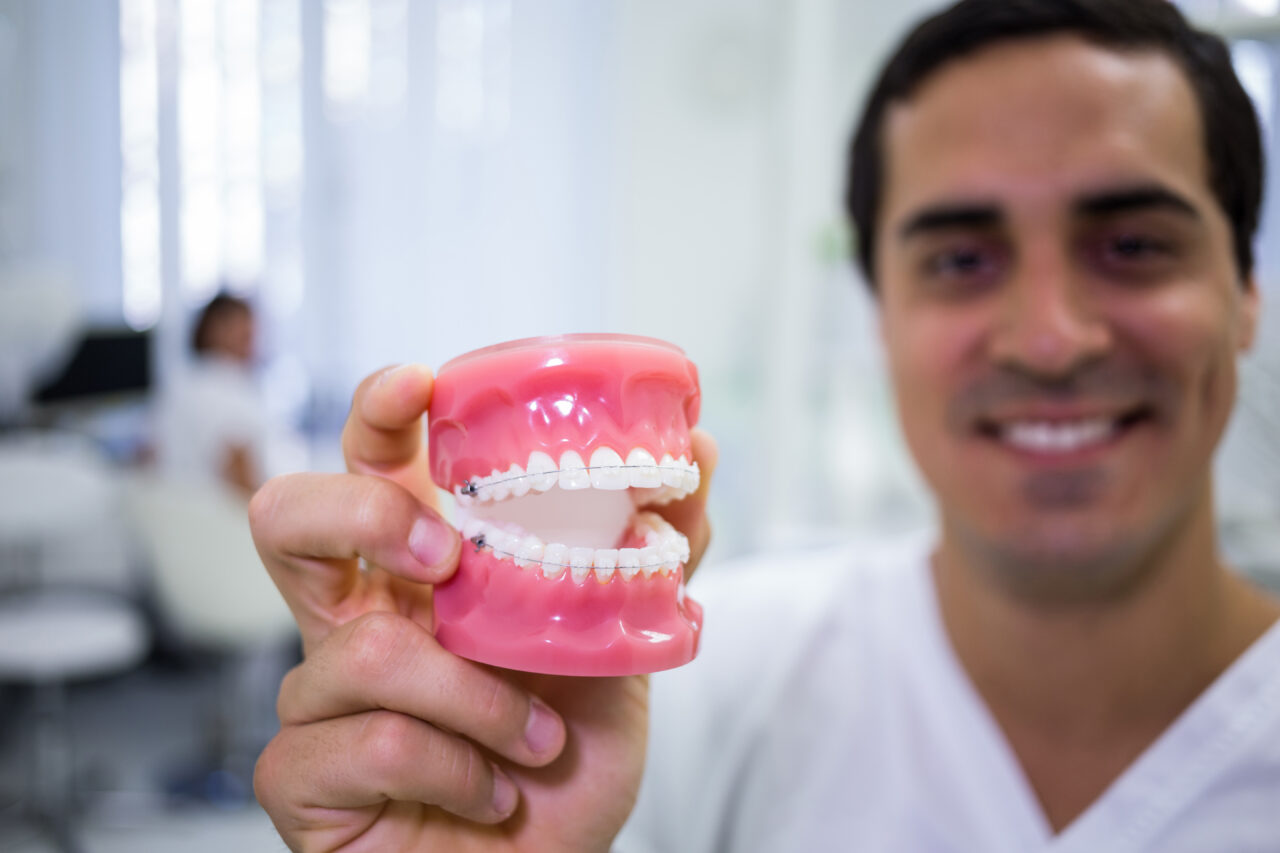
Dentures are designed to restore everyday functions such as chewing and speaking while supporting the appearance of your smile. However, even dentures that once felt comfortable can gradually become loose or unstable. You might notice slight movement while eating, increased pressure against your gums, or a change in how the appliance sits in your mouth. These early changes can be easy to overlook, especially when they develop slowly.
The reassuring news is that many denture fit problems can be addressed through professional evaluation and appropriate adjustments. Most concerns can be assessed during a planned dental appointment, while urgent dental care can provide timely attention when unexpected injury, significant pain, or damage requires prompt assessment. Recognising changes early can help you maintain comfort and avoid unnecessary irritation to the supporting tissues.
So, how do you know your dentures no longer fit properly? The most common signs of ill-fitting dentures include slipping during meals, persistent sore spots, changes in speech, difficulty chewing, and needing more adhesive than before. Understanding why these problems develop can help you determine when your dentures need professional attention rather than simply accepting discomfort as part of wearing them.
How Do You Know Your Dentures No Longer Fit Properly?
One of the clearest signs of ill-fitting dentures is a noticeable change in how securely the appliance stays in place. Dentures should allow you to perform everyday activities with reasonable comfort and stability, although the degree of retention varies between full and partial dentures.
If your dentures frequently shift when speaking, become uncomfortable while chewing, or require repeated repositioning throughout the day, their fit may no longer be appropriate. These changes can indicate that the appliance is not adapting properly to the underlying gum tissues or remaining teeth.
Persistent pressure in one area is another important warning sign. A denture that distributes chewing forces unevenly may create localised discomfort, even when the rest of the appliance appears to fit normally.
Some patients also notice changes in their facial support or the position of their lips when wearing dentures. Although these changes can have several explanations, significant differences in the way the appliance sits may suggest that its fit or overall design needs reassessment.
Not every minor movement indicates a serious problem, particularly with removable dentures. However, dentures not fitting properly should not be ignored when the changes are persistent, interfere with daily activities, or cause discomfort.
A dental examination can help establish whether the problem involves the denture itself, changes in the supporting tissues, or another oral health concern.
Why Do Dentures Become Loose Over Time?
One of the main reasons dentures become loose is that the shape of the mouth changes over time. After natural teeth are lost, the jawbone that previously supported them gradually undergoes remodelling, which can alter the contours of the underlying ridge.
These changes are particularly noticeable during the months following tooth extraction, although bone and soft tissue changes can continue over the years. As the supporting ridge changes shape, a denture that was originally made to fit its previous contours may no longer sit as securely.
The gum tissues covering the ridge can also change. Variations in tissue thickness, oral health, and the shape of the supporting structures may influence how comfortably the denture rests against the mouth.
Loose dentures can also develop because of changes in the appliance itself. Normal wear, damaged components, or alterations in the relationship between the upper and lower dentures may affect stability and chewing function.
Partial dentures introduce additional considerations because they rely partly on remaining natural teeth for support or retention. If those teeth move, become damaged, or develop periodontal problems, the denture may no longer fit as originally intended.
These gradual changes explain why denture fit problems can develop even when someone follows appropriate cleaning and care instructions. A change in fit does not necessarily mean the denture was poorly made, but it may indicate that reassessment is needed.
Are Your Dentures Slipping When You Eat or Speak?
Dentures that move during ordinary activities can make eating and speaking less comfortable. Although removable dentures do not function exactly like natural teeth, they should provide reasonable stability for the patient’s individual oral anatomy and appliance design.
One common complaint involves dentures slipping while eating, particularly when chewing firmer foods. The appliance may lift, rock, or shift as pressure is applied, making it difficult to chew evenly or confidently.
Some people begin avoiding certain foods because they worry their dentures will move. Over time, this can affect food choices and make meals less enjoyable, even when the denture is not causing obvious pain.
Changes in speech can also indicate a fit problem. If dentures begin moving while talking, certain sounds may become more difficult to pronounce, or the wearer may notice clicking or repeated movement of the appliance.
However, speech difficulties are not always caused by looseness. Newly fitted dentures can require an adjustment period, and the position or shape of the artificial teeth can also influence pronunciation.
When dentures slipping when talking becomes a new or persistent problem, a professional assessment can help determine whether the appliance needs adjustment or whether changes in the supporting tissues are contributing to the movement.
The important distinction is between temporary adaptation to a new denture and increasing instability in an appliance that previously functioned comfortably.
Can Ill-Fitting Dentures Cause Gum Pain or Sore Spots?
Yes, ill-fitting dentures can cause gum irritation when pressure is concentrated on areas that are not designed to bear excessive force. The tissues beneath a denture need appropriate support and pressure distribution to remain comfortable during everyday use.
A denture that rocks or shifts may repeatedly rub against the gums, creating tender areas or localised inflammation. These denture sore spots can become especially noticeable while chewing or after wearing the appliance for several hours.
Some patients describe a burning sensation, tenderness, or discomfort when removing their dentures. Others may notice redness or small ulcerated areas where the appliance contacts the tissues.
However, not every sore area is caused solely by poor denture fit. Oral infections, inflammatory conditions, dry mouth, and other tissue changes can produce similar symptoms and may require different treatment.
Persistent dentures causing gum pain should therefore be evaluated rather than managed indefinitely with adhesive or home adjustments. A dentist can examine the irritated tissues and determine whether the denture is placing excessive pressure on a particular area.
New dentures may occasionally require adjustments as the wearer adapts to them, but ongoing pain should not be considered a normal requirement of denture use. Identifying the cause can help prevent repeated irritation and improve comfort.
Is It Normal to Need More Denture Adhesive?
Denture adhesive can sometimes improve the retention and stability of a properly fitted removable denture. However, a noticeable increase in the amount needed to keep an appliance in place may suggest that its fit has changed.
If you previously used little or no adhesive but now depend on repeated applications throughout the day, the denture may no longer be adapting adequately to the supporting tissues. This can happen as the jawbone and gum contours change over time.
Adhesive should not be used as a permanent substitute for evaluating loose dentures. Applying larger amounts may temporarily reduce movement, but it does not correct an appliance that has become significantly unstable or poorly adapted.
Excessive adhesive use can also make cleaning more difficult and may conceal problems that deserve professional attention. Certain adhesive products contain zinc, so following the manufacturer’s directions and avoiding overuse is particularly important.
Some patients may appropriately use a small amount of adhesive even with a well-fitting denture. The concern is not necessarily adhesive use itself, but a change in reliance on it or continued instability despite proper application.
If your dentures are not fitting properly without increasing amounts of adhesive, a dental assessment can help determine whether relining, adjustment, or another approach is appropriate.
Can Poorly Fitting Dentures Affect Your Bite?
A denture’s fit involves more than how closely it rests against the gums. The relationship between the upper and lower teeth also influences how chewing forces are distributed and how comfortably the appliance functions.
When dentures no longer meet evenly during biting, certain areas may experience greater pressure than others. This can contribute to instability, localised tissue discomfort, or difficulty chewing effectively.
Some patients notice that their dentures shift when they bite on one side or that their jaw feels uncomfortable after meals. Others may find themselves changing how they chew to compensate for an appliance that no longer feels balanced.
Wear of the artificial teeth can also affect the bite over time. As the chewing surfaces change, the relationship between the dentures may become less effective, even when the appliance does not appear visibly broken.
These denture fit problems can be particularly noticeable when both upper and lower full dentures are worn. However, partial dentures can also affect chewing comfort if their supporting teeth or components change.
A dentist can assess the contact between the teeth, the stability of the appliance, and the condition of the supporting tissues. In some cases, an adjustment may improve comfort, while more substantial changes may require a different treatment approach.
Persistent denture discomfort should not be managed simply by avoiding one side of the mouth or repeatedly repositioning the appliance. Understanding the cause of the altered bite can help determine how to restore more comfortable function.
How Can You Tell Whether Dentures Need Adjustment or Relining?
When dentures become uncomfortable or unstable, the solution does not always involve replacing the entire appliance. Depending on the cause of the problem, a denture adjustment or denture relining procedure may help improve comfort and fit.
A denture adjustment generally involves making small modifications to areas that create excessive pressure or interfere with the bite. For example, if a particular section of the denture causes a sore spot, the dentist may carefully modify that area to reduce irritation.
Relining addresses a different problem. When the jawbone and gum contours change, the fitting surface of the denture may no longer adapt closely to the underlying tissues. A reline modifies that surface to improve its contact with the mouth.
There are different approaches to denture relining, and the appropriate method depends on the condition of the appliance and supporting tissues. However, relining does not correct every problem, particularly when the artificial teeth are significantly worn or the overall denture design is no longer suitable.
A dentist will also consider whether the appliance has cracks, damaged components, or changes in its bite relationship. These findings help determine whether a minor adjustment, relining, repair, or replacement is the most appropriate option.
For patients exploring denture adjustment in Issaquah, a professional evaluation can help identify the source of the discomfort before any modifications are recommended. The objective is to improve the denture’s function without making unnecessary changes to an otherwise serviceable appliance.
When Is It Better to Replace Dentures Completely?
Although adjustments and relining can improve the fit of some dentures, there are situations where denture replacement may be more appropriate. This usually depends on the condition of the appliance, the extent of changes in the mouth, and whether the existing denture can still provide adequate function.
Significant wear of the artificial teeth is one consideration. As the chewing surfaces gradually wear down, the relationship between the upper and lower dentures may change, potentially affecting chewing efficiency and comfort.
A denture may also develop cracks, fractures, or damaged components. Some forms of damage can be repaired, but repeated breakage or extensive structural deterioration may indicate that the appliance is no longer suitable for continued use.
Changes in the supporting jawbone and gum tissues can also affect the decision. If the original denture no longer provides appropriate support or stability, relining alone may not adequately address the problem.
The age of the appliance can be relevant, but there is no universal replacement date that applies to every patient. Some dentures remain functional for years with appropriate maintenance, while others require earlier intervention because of wear, damage, or changes in oral anatomy.
A denture repair may be reasonable when the damage is limited and the appliance otherwise fits appropriately. However, when several problems occur together, a new denture may provide a more predictable way to restore function.
The decision should follow a clinical examination rather than relying solely on how long the dentures have been worn.
Can You Continue Wearing Dentures That Don’t Fit?
Continuing to wear ill-fitting dentures may seem manageable when the discomfort is mild or develops gradually. However, persistent instability or pressure can affect the tissues supporting the appliance and interfere with everyday activities.
One concern is repeated irritation of the gums. When a denture moves excessively or concentrates pressure on a small area, it can contribute to inflammation, tenderness, and recurring sore spots.
Poorly fitting dentures may also make chewing more difficult. Some patients begin avoiding firmer foods or changing their eating habits because the appliance feels unstable, which can affect their dietary choices.
An unstable denture can also interfere with speaking comfortably or create anxiety about the appliance moving during conversations. Although these problems are not necessarily dangerous, they can affect confidence and daily comfort.
Persistent irritation should not be ignored, especially when an ulcer or sore area does not heal. While many denture-related sores result from mechanical pressure, a dentist should evaluate persistent oral tissue changes to rule out other causes.
Not every minor change in denture fit causes significant damage, but repeated discomfort is a reasonable indication that the appliance needs assessment.
Appropriate general dental care can help identify whether the problem involves the denture, the underlying tissues, or another oral health condition that requires attention.
What Should You Do If Your Dentures Suddenly Feel Loose?
If dentures suddenly become loose or uncomfortable, begin by checking whether the appliance is visibly damaged. A crack, broken clasp, or displaced component can affect stability and may require professional repair.
Avoid attempting to bend metal clasps, reshape the denture, or adjust its fitting surface yourself. Home modifications can damage the appliance or create additional pressure points that make the problem more difficult to correct.
Continue cleaning your dentures according to the recommended instructions and examine your mouth for sore areas or irritation. If the appliance is causing significant discomfort, removing it temporarily may help reduce pressure on the affected tissues.
Do not rely on increasing amounts of denture adhesive to compensate for a substantial change in fit. Adhesive may provide temporary retention in selected situations, but it cannot correct a damaged or poorly adapted denture.
If you have recently had a tooth extracted, undergone dental treatment, or noticed changes in your remaining natural teeth, these circumstances may help explain the sudden difference in fit.
A dental examination can determine whether loose dentures require adjustment, relining, repair, or replacement. Seeking guidance before making changes yourself can help preserve the appliance and protect the surrounding tissues.
When Should Denture Problems Be Checked by a Dentist?
Denture problems should be assessed when discomfort persists, the appliance repeatedly slips, or changes in fit begin affecting chewing and speaking. Even when symptoms are mild, a noticeable change from the denture’s previous fit can justify an examination.
Recurring sore spots, bleeding from irritated tissues, or persistent gum pain are important reasons to seek professional evaluation. A dentist can determine whether the problem results from pressure, an oral infection, or another condition affecting the tissues.
A broken denture or damaged clasp should also be assessed before continued use, particularly if the appliance has become unstable or creates sharp edges. Attempting to use a significantly damaged denture may increase irritation or contribute to further breakage.
Persistent ulcers, unusual lumps, or changes in the colour or texture of the oral tissues should not automatically be attributed to denture friction. These findings require professional assessment, especially when they do not resolve after the suspected source of irritation has been addressed.
Patients seeking a dentist in Issaquah can discuss these concerns during a general dental examination. An assessment may include examining the gums, remaining natural teeth, denture stability, and the relationship between the upper and lower teeth.
General dentistry in Issaquah can play an important role in identifying oral health problems that may affect denture comfort. Depending on the findings, the dentist may recommend modifications to the appliance, further investigation, or referral for specialised treatment.
The aim is to understand why the dentures have become uncomfortable rather than assuming that every problem requires a new appliance.
How NW Emergency Dentist Can Help Evaluate Denture Fit
Changes in denture fit can involve more than the appliance itself. The condition of the supporting gums, remaining natural teeth, jawbone contours, and bite relationship can all influence whether dentures remain comfortable and functional.
At NW Emergency Dentist, Dr. Prabhjot Sidhu can evaluate oral health concerns that may contribute to denture discomfort or instability. A dental examination can help identify irritated tissues, changes affecting remaining teeth, or other conditions that may influence the fit of a removable appliance.
For patients exploring general dental services in Issaquah, this type of assessment can provide useful guidance about the appropriate next steps. Depending on the findings, denture adjustment, relining, repair, or replacement may be considered, with referral to an appropriate dental professional when necessary.
An examination can also help distinguish denture-related discomfort from underlying oral health conditions. This is particularly important when sore areas persist or when the patient has experienced a sudden change in chewing comfort.
General dentistry and restorative treatment planning can work together to support patients who wear full or partial dentures. The goal is to maintain healthy oral tissues while ensuring that the appliance remains suitable for everyday use.
Understanding the cause of a fit problem allows treatment recommendations to be based on the patient’s actual needs rather than simply replacing dentures because they have become uncomfortable.
Conclusion
Dentures should provide reasonable comfort and stability during everyday activities, even though they do not function exactly like natural teeth. If you notice slipping, recurring sore spots, changes in speech, difficulty chewing, or increasing reliance on adhesive, these may be signs of ill-fitting dentures that deserve professional attention.
Fortunately, dentures that no longer fit properly do not always need to be replaced. Depending on the condition of the appliance and the supporting tissues, an adjustment, reline, or repair may help restore comfort and function.
If you are experiencing persistent denture discomfort, NW Emergency Dentist can help evaluate your oral health and guide you toward appropriate care. Recognising changes in denture fit and seeking professional advice can help you maintain comfortable function while protecting the health of your gums and remaining teeth.