
If you brush your teeth twice a day, floss regularly, and rarely experience dental discomfort, you might wonder whether professional dental cleaning is really necessary. After all, your teeth may already look clean, and your daily oral hygiene routine seems to be working. However, keeping your teeth free from visible food particles and maintaining healthy teeth and gums are not always the same thing.
The good news is that professional dental cleaning provides additional preventive support without replacing the effort you put into caring for your teeth at home. Regular dental examinations and appropriate cleanings can help identify concerns early, while urgent dental care remains available for unexpected problems that need prompt attention. Understanding the purpose of professional cleaning can help you make informed decisions about your oral health rather than viewing it as just another routine appointment.
So, what is the point of a professional dental cleaning, especially when you already maintain good brushing and flossing habits? Its primary purpose is to remove hardened deposits that cannot be effectively eliminated through normal home care, support gum health, and help maintain an oral environment that is easier to keep clean.
What Is the Point of a Professional Dental Cleaning?
The main purpose of a professional dental cleaning is to remove plaque and hardened tartar deposits from areas where they have accumulated on the teeth. These deposits can contribute to gum inflammation and make it more difficult to maintain healthy oral tissues through daily brushing alone.
Even people with consistent oral hygiene habits may develop tartar in certain areas. The spaces between teeth, surfaces near the gumline, and areas around existing dental restorations can be particularly challenging to clean thoroughly.
Professional cleaning uses specialised instruments to remove these deposits without requiring patients to attempt potentially harmful scraping at home. Depending on the condition of the teeth and gums, the appointment may also include polishing and personalised guidance about improving daily plaque control.
The benefits of professional teeth cleaning extend beyond making teeth feel smooth. Removing plaque-retentive deposits can help support healthier gums and make ongoing oral hygiene more effective.
However, dental cleaning is not a guarantee against cavities or gum disease. Its value comes from being part of a broader preventive approach that includes home care, appropriate dental examinations, and treatment of existing problems when necessary.
What Does a Professional Dental Cleaning Actually Remove?
Understanding the difference between plaque and tartar helps explain why professional cleaning is useful even when you brush regularly. Although these substances are related, they cannot be removed in the same way.
Dental plaque is a soft, sticky biofilm containing bacteria that develops naturally on tooth surfaces. It forms continuously, which is why regular brushing and cleaning between teeth are important for maintaining oral health.
When plaque is not adequately removed, minerals in saliva can cause it to harden into dental calculus, commonly called tartar. Once this process occurs, ordinary brushing and flossing cannot reliably remove the hardened deposits.
Plaque and tartar removal is therefore one of the main functions of a professional teeth cleaning. Dental instruments allow a trained clinician to remove calculus from accessible tooth surfaces and around the gumline, with the approach depending on the patient’s periodontal condition.
Professional cleaning may also remove certain external stains caused by coffee, tea, tobacco, and other substances. These stains can affect the appearance of the teeth, although removing them does not change the natural internal colour of the tooth.
It is important to distinguish surface stain removal from whitening treatment. A dental cleaning can make teeth appear cleaner and sometimes brighter by removing deposits, but it does not provide the same effect as professional tooth whitening.
Why Isn’t Brushing and Flossing Enough on Their Own?
Brushing and flossing remain essential because they remove plaque before it has an opportunity to accumulate and harden. However, even an effective daily routine may not eliminate plaque from every surface consistently.
The back surfaces of lower front teeth, areas near the openings of salivary ducts, and spaces around crowded teeth are common locations where calculus can develop. Dental bridges, orthodontic appliances, and certain restorations may also create areas that require additional cleaning attention.
Once tartar has formed, brushing harder will not remove it. Excessive brushing pressure may instead contribute to gum irritation or tooth surface wear, particularly when abrasive toothpaste or an aggressive technique is involved.
This is the main difference between dental cleaning vs brushing. Home care focuses on controlling plaque every day, while professional cleaning removes deposits that have become difficult or impossible to eliminate with routine oral hygiene methods.
Professional cleaning also provides an opportunity to identify areas where plaque repeatedly accumulates. A dental professional can recommend adjustments to brushing technique, interdental cleaning tools, or other habits based on the patient’s individual needs.
Neither approach replaces the other. Good home care reduces the amount of plaque available to harden, while appropriate professional cleaning helps address deposits that remain despite those efforts.
What Happens During a Professional Teeth Cleaning?
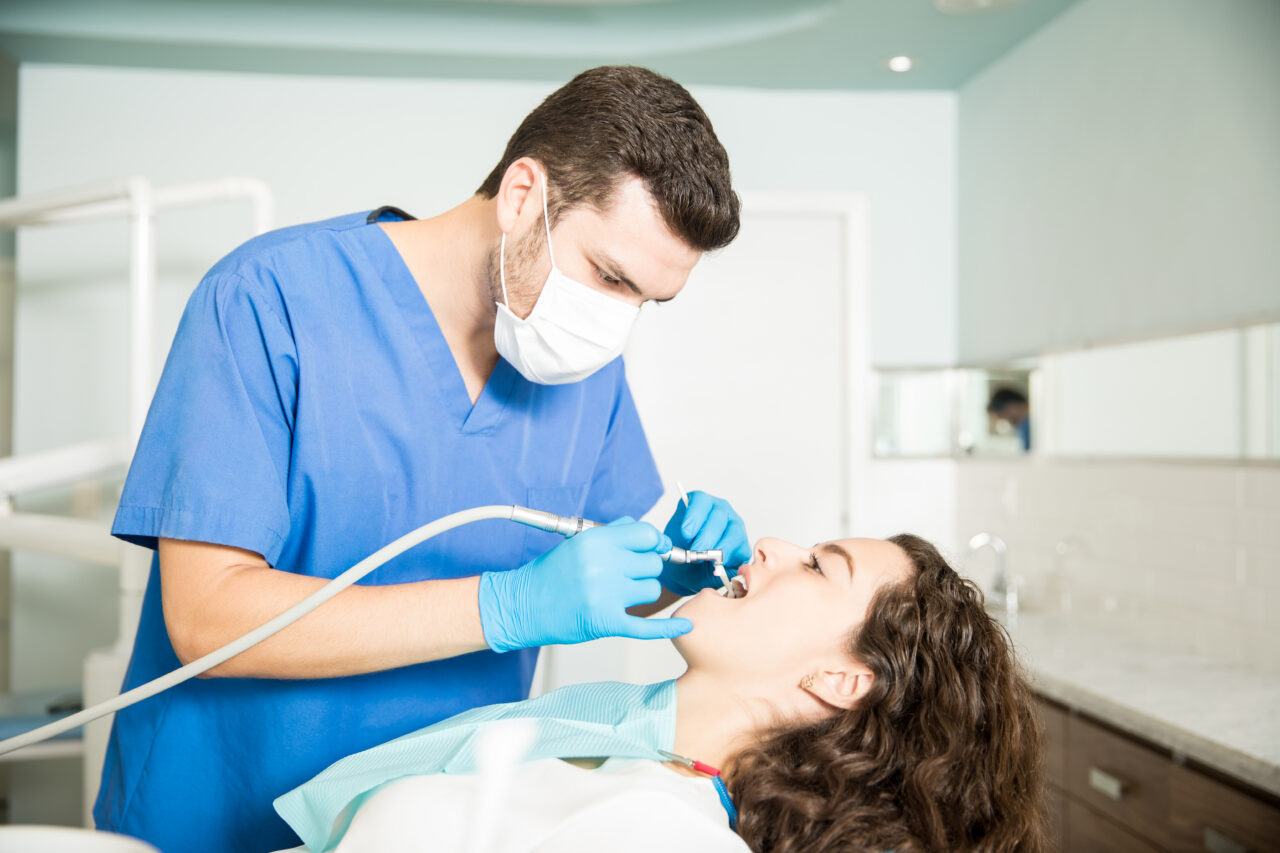
A professional teeth cleaning typically begins with an assessment of the teeth and gums. The clinician may examine areas where plaque and tartar have accumulated and consider whether there are signs of gum inflammation or periodontal disease.
The cleaning process commonly involves scaling, which removes hardened deposits from the tooth surfaces. Depending on the amount and location of calculus, the clinician may use hand instruments, ultrasonic equipment, or a combination of both.
Ultrasonic instruments use controlled vibrations and water irrigation to help remove deposits. Hand instruments allow careful cleaning of particular surfaces, especially where precision is required.
After scaling, polishing may be performed when appropriate to remove certain surface stains and residual plaque. Polishing is not necessarily required on every surface at every appointment, and the approach should reflect the patient’s clinical needs.
The appointment may also include recommendations for brushing, flossing, or using interdental brushes. These suggestions can be particularly helpful when the clinician identifies areas that are difficult for the patient to maintain.
It is important to recognise that what happens during dental cleaning can vary. A patient with generally healthy gums and limited deposits may need a different approach from someone with substantial calculus accumulation or an existing periodontal condition.
A routine cleaning appointment should therefore be based on the condition of the mouth rather than treated as an identical procedure for every patient.
Can Professional Dental Cleaning Help Prevent Gum Disease?
Professional cleaning can contribute to the prevention and management of gum inflammation by removing plaque and calculus that support bacterial accumulation. However, its effectiveness depends on the patient’s periodontal health and daily oral hygiene practices.
Gingivitis is an early form of gum disease involving inflammation of the gums without the attachment and bone loss associated with periodontitis. Common signs include redness, swelling, and bleeding during brushing or flossing.
Because plaque is a major contributor to gingivitis, improving plaque control and removing accumulated deposits can help the gums return to a healthier condition. Professional cleaning may be an important part of this process, particularly when tartar has developed around the gumline.
Periodontitis is different because it involves damage to the supporting tissues and bone around the teeth. A routine cleaning alone may not adequately treat this condition, and more comprehensive periodontal treatment may be necessary.
This distinction matters when considering why dental cleaning is important. Cleaning can help reduce plaque-retentive deposits, but it should not be presented as a treatment that automatically reverses every stage of gum disease.
Patients with a history of periodontal problems may require ongoing maintenance and closer monitoring. The appropriate approach depends on the severity of the condition, previous treatment, and current gum health.
Does Dental Cleaning Make Your Teeth Healthier or Just Look Cleaner?
Professional dental cleaning can provide both oral health and cosmetic benefits, but its main purpose is preventive rather than aesthetic. The smoother, cleaner feeling patients notice after an appointment is only one part of its value.
Removing tartar helps eliminate surfaces where additional plaque can accumulate and remain difficult to clean. This can support healthier gums and make daily oral hygiene more effective.
Professional cleaning may also improve the appearance of teeth by removing certain external stains. However, teeth can be naturally yellow, grey, or slightly uneven in colour while still being healthy, so appearance alone is not a reliable measure of dental health.
Similarly, teeth that look white and clean can still have cavities, gum inflammation, or problems around existing restorations. These conditions may not be visible without a clinical examination.
This is why preventive dental care involves more than making teeth look attractive. It focuses on identifying risk factors, controlling harmful deposits, and supporting the health of the teeth and surrounding tissues over time.
For patients considering dental cleaning in Issaquah, understanding this distinction can help establish realistic expectations. A cleaning appointment can contribute to oral health, but it works best alongside consistent home care and appropriate dental assessment.
Is Regular Dental Cleaning Different From Deep Dental Cleaning?
Although both procedures involve removing plaque and tartar, routine dental cleaning and deep dental cleaning serve different clinical purposes. The appropriate treatment depends on the condition of the gums, the presence of periodontal pockets, and whether there is evidence of periodontal disease.
A routine dental cleaning, often called prophylaxis, is generally intended for patients who do not require active treatment for periodontitis. It focuses on removing plaque, calculus, and certain surface stains to support ongoing oral hygiene and gum health.
Deep dental cleaning commonly refers to scaling and root planing, a nonsurgical periodontal treatment used when periodontitis is present. This procedure involves removing deposits from affected root surfaces beneath the gumline and addressing bacterial contamination associated with periodontal pockets.
Patients who require scaling and root planing may have signs such as persistent gum inflammation, bleeding, deeper periodontal pockets, or bone loss. However, these findings must be evaluated together, since bleeding or visible tartar alone does not establish the need for deep cleaning.
Treatment may involve local anaesthesia to improve comfort, particularly when deeper areas require instrumentation. Depending on the severity and distribution of the condition, treatment may be completed over more than one appointment.
A deep cleaning is not simply a more thorough version of a routine cleaning that everyone should receive periodically. It is a specific treatment recommended when clinical findings indicate that periodontal therapy is necessary.
Understanding this distinction can help patients make informed decisions about periodontal cleaning and avoid assuming that every cleaning appointment involves the same procedure.
Can Dental Cleaning Damage Your Enamel or Gums?
Some patients worry that professional cleaning might weaken their teeth, remove enamel, or create gaps between them. When performed appropriately by a trained dental professional, routine scaling is generally considered safe and is intended to remove deposits rather than healthy tooth structure.
After a cleaning, teeth may occasionally feel more sensitive, especially when substantial tartar has been removed from areas with exposed root surfaces. This sensitivity is often temporary, although persistent or worsening discomfort should be assessed.
Patients may also notice spaces between their teeth that were less obvious before treatment. In some cases, accumulated calculus had been occupying those spaces, and removing it makes the existing contours more noticeable.
Gums that were previously inflamed may change in appearance as inflammation decreases. This can make recession or spaces between teeth more apparent, but it does not necessarily mean the cleaning caused the underlying tissue changes.
Minor gum tenderness or bleeding can occur during or after treatment, particularly when the tissues are already inflamed. The extent of discomfort depends on the patient’s oral health and the type of cleaning performed.
Professional instruments must be used correctly because excessive or inappropriate instrumentation can damage tooth surfaces or soft tissues. This is one reason patients should not attempt to remove hardened tartar themselves using sharp household tools.
The purpose of professional teeth cleaning is to support dental health while preserving healthy tooth structure. If you have concerns about sensitivity or previous cleaning experiences, discussing them before treatment can help the clinician adapt the approach to your needs.
How Often Should You Get a Professional Dental Cleaning?
There is no single cleaning interval that is appropriate for every patient. Although six-month appointments are commonly recommended, the ideal frequency depends on individual oral health needs rather than a universal schedule.
Someone with healthy gums, effective plaque control, and limited calculus accumulation may have different requirements from a patient with a history of periodontal disease. The amount of tartar that develops, the presence of restorations, and the patient’s ability to maintain daily oral hygiene can also influence recommendations.
Patients who have received treatment for periodontitis may require periodontal maintenance at intervals determined by their clinical condition. These appointments differ from routine preventive cleaning because they are intended to help manage an existing periodontal history.
Medical conditions, medications that contribute to dry mouth, and other factors affecting oral health may also influence the need for preventive appointments. However, these considerations should be evaluated individually rather than used to recommend frequent cleaning automatically.
A dental examination can help establish an appropriate schedule based on gum health, calculus accumulation, and other risk factors. Cleaning frequency can then be adjusted if the patient’s condition changes.
The objective is not to schedule as many appointments as possible. It is to provide the level of preventive care that is appropriate for maintaining healthy teeth and gums.
What Happens If You Skip Professional Dental Cleanings?
Missing a single cleaning appointment does not automatically cause dental disease. However, repeatedly postponing recommended care may allow plaque and hardened calculus to accumulate in areas that are difficult to maintain through home care alone.
When calculus remains around the gumline, it can create surfaces that retain additional plaque. Over time, persistent bacterial accumulation may contribute to gum inflammation, particularly when daily cleaning is ineffective in those areas.
Some patients may notice bleeding gums, persistent bad breath, or visible deposits along the teeth. Others may have relatively few symptoms despite developing periodontal problems, which is why the absence of discomfort does not always indicate healthy gums.
Skipping professional appointments can also mean missing opportunities to identify changes in oral health. Although cleaning and dental examination are separate services, they are often coordinated as part of a preventive care plan.
It is important to avoid assuming that every patient who delays a cleaning will develop cavities or gum disease. The consequences depend on oral hygiene, existing periodontal health, individual risk factors, and the amount of calculus present.
If you have not had a teeth cleaning at the dentist for an extended period, an examination can help determine whether routine cleaning is appropriate or whether another type of periodontal care is needed.
Who May Benefit From More Frequent Dental Cleanings?
Certain patients may benefit from shorter intervals between professional cleaning or periodontal maintenance appointments. These recommendations are generally based on clinical findings and the patient’s history rather than age alone.
People with a history of periodontitis may require ongoing periodontal maintenance to monitor gum health and manage recurring deposits. Even after successful treatment, continued care is important because the underlying susceptibility to periodontal disease may remain.
Patients with orthodontic appliances, dental bridges, or restorations that create difficult-to-clean areas may also require additional preventive attention. These appliances do not automatically cause dental disease, but they can make effective plaque removal more challenging.
Individuals who develop substantial calculus despite regular brushing may benefit from personalised cleaning intervals and oral hygiene instruction. The clinician may also recommend specific interdental cleaning tools to address areas where deposits repeatedly accumulate.
Dry mouth is another consideration because reduced saliva can influence the oral environment and increase susceptibility to certain dental problems. However, additional cleaning appointments alone do not address every consequence of reduced saliva production.
For patients seeking preventive dental care in Issaquah, the most useful approach is an individual assessment of plaque control, gum health, restorations, and relevant medical factors. This helps ensure that recommendations are based on actual needs rather than a fixed appointment schedule.
How NW Emergency Dentist Supports Preventive Dental Care
Preventive dental care begins with understanding the condition of the teeth and gums and identifying areas that may require additional attention. Professional cleaning can be one component of this approach, but appropriate recommendations should follow an assessment of the patient’s oral health.
At NW Emergency Dentist, Dr. Prabhjot Sidhu can evaluate dental concerns and help patients understand factors that may affect their teeth and gums. An examination may identify plaque-retentive areas, signs of gum inflammation, existing restorations, or other conditions that influence preventive care recommendations.
For patients looking for a dentist in Issaquah, understanding whether routine cleaning, periodontal assessment, or another treatment is appropriate can help support informed decisions. Where specialised periodontal treatment is indicated, further evaluation or referral may be necessary.
Patients may also benefit from guidance about brushing techniques, interdental cleaning, and managing areas that are difficult to maintain at home. These recommendations can help make daily oral hygiene more effective between professional appointments.
The purpose of preventive care is not simply to complete a cleaning procedure. It is to understand each patient’s dental condition and identify practical ways to support healthier teeth and gums over time.
Conclusion
The purpose of professional dental cleaning is to remove hardened plaque deposits, support gum health, and complement the oral hygiene practices you maintain at home. Although brushing and flossing are essential, they cannot reliably remove tartar once it has formed on the teeth.
Professional cleaning can also provide an opportunity to identify areas that need additional care and improve the effectiveness of daily plaque control. However, routine cleaning is not a substitute for treating established periodontal disease, and the appropriate frequency should reflect individual dental health needs.
If you are unsure whether you need a routine cleaning or a more detailed assessment of your gums, NW Emergency Dentist can help you understand your oral health concerns and appropriate next steps. Maintaining healthy teeth involves combining consistent home care with professional guidance when needed.