Keeping your teeth healthy does not require an elaborate routine or a bathroom shelf full of products. What matters most is what you consistently do each day.
Brushing properly, cleaning between your teeth, drinking water, being mindful of sugary foods and drinks, and paying attention to changes in your mouth can all support better oral health. These habits may seem small, but together they can help reduce the chances of common dental problems.
Good daily dental care also means knowing when your usual routine is no longer enough. If something feels different or a problem keeps returning, getting it checked can be just as important as taking care of your teeth at home.
Brush Your Teeth Twice a Day
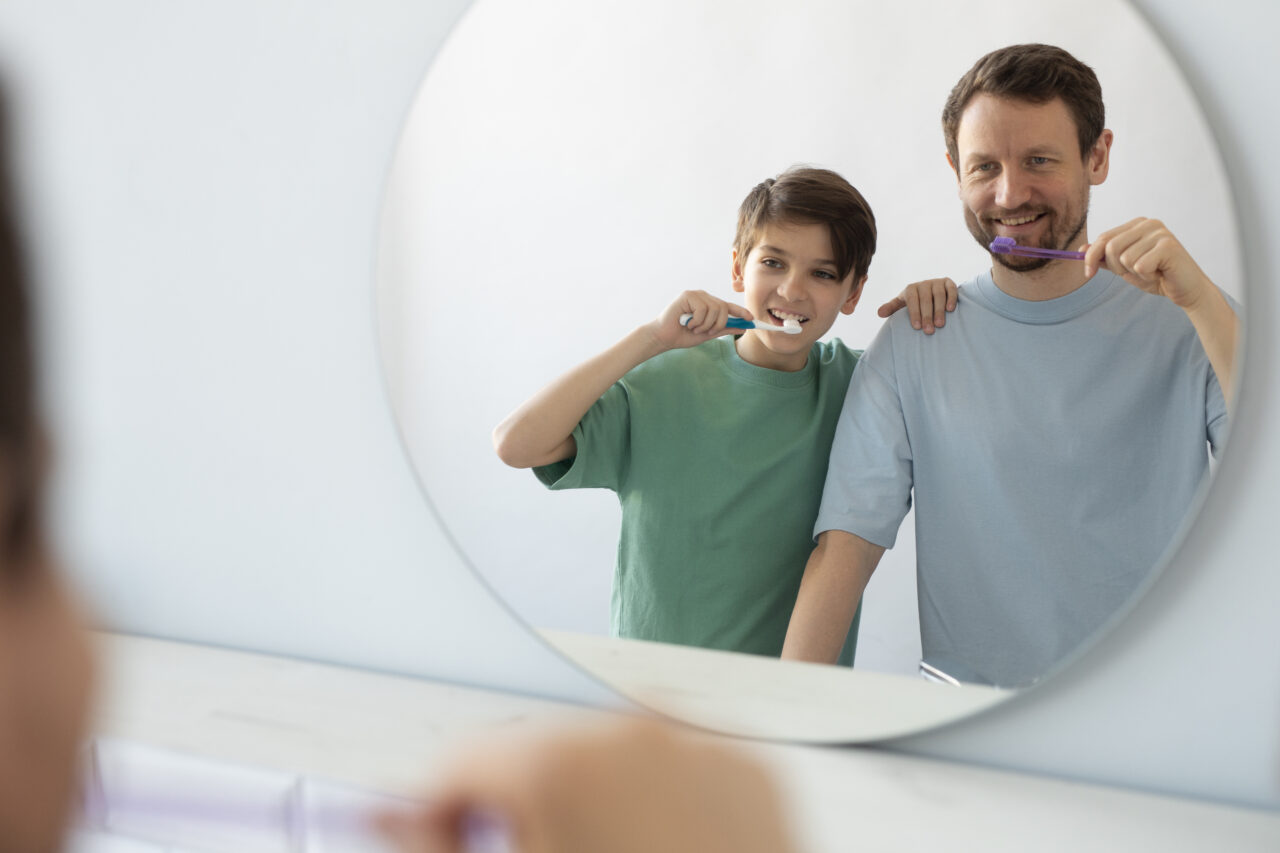
Brushing twice a day is one of the simplest ways to remove plaque and food debris from your teeth. But brushing more aggressively does not mean brushing more effectively.
Use a soft-bristled toothbrush and gentle movements, making sure you reach the front, back, and chewing surfaces of your teeth. Pay attention to the gumline as well, where plaque can accumulate.
Give yourself enough time to brush thoroughly rather than rushing through it. If your toothbrush bristles become worn or spread out, replacing the brush can also help maintain an effective oral hygiene routine.
Clean Between Your Teeth Every Day
A toothbrush cannot reach every surface between your teeth. Plaque and food particles can remain in these spaces even when the visible surfaces of your teeth look clean.
Floss or use an appropriate interdental cleaner to reach these areas. The best method can depend on how closely your teeth fit together, whether you have dental work, and what you find easiest to use consistently.
If cleaning between your teeth regularly is new for you, it may take some time for the habit to become automatic. Consistency is more useful than doing it occasionally and then forgetting about it for several days.
Drink More Water Throughout the Day
Water is an easy addition to your routine and can be a better everyday choice than constantly sipping sweetened or acidic beverages. Drinking water also helps clear away some food particles left in your mouth after eating.
This does not mean you have to give up every other drink you enjoy. The bigger issue is avoiding constant exposure to sugary or acidic beverages throughout the day.
Keeping a bottle or glass of water nearby can make choosing it more often easier. It is a simple healthy teeth habit that requires very little effort but can make your everyday routine more tooth-friendly.
Be Careful About Constant Snacking
Snacking itself is not necessarily bad for your teeth. The frequency and type of snacks can matter, particularly when foods or drinks contain fermentable carbohydrates and sugars.
Repeatedly eating or sipping something sugary gives the mouth repeated opportunities for acid production, which can contribute to tooth decay over time. Constant grazing can therefore be less favourable for your teeth than having defined meals and being mindful about what you consume between them.
You do not need to eliminate snacks completely. Instead, pay attention to how often you are eating and drinking during the day, and choose water more frequently between meals.
Don’t Brush Immediately After Acidic Foods or Drinks
Some foods and drinks are acidic and can temporarily soften the outer surface of your teeth. Brushing immediately afterward may not be the best approach because aggressive brushing on a softened enamel surface can contribute to wear.
After consuming something acidic, rinsing with water and allowing some time to pass before brushing can be a gentler approach to teeth cleaning habits.
If you regularly consume acidic drinks or experience tooth sensitivity, discussing your routine during a dental visit can help you understand whether changes are appropriate for your teeth.
Don’t Use Your Teeth to Open or Break Things
Your teeth may seem convenient when you need to tear a packet, loosen a knot, or open a small piece of plastic. But they were not designed to work as tools.
Biting hard objects or using your teeth for tasks unrelated to eating can result in chips, cracks, or damage to fillings, crowns, and other dental work.
Keeping scissors, bottle openers, or other appropriate tools nearby may seem like a small change, but it can prevent an avoidable dental injury. Protecting your teeth also means avoiding habits that put unnecessary pressure on them.
Pay Attention to Changes in Your Mouth
A good daily routine should not make you ignore changes that develop despite your efforts. New sensitivity, bleeding from the gums, persistent bad breath, a chipped tooth, or discomfort while chewing can all be useful signs that something has changed.
Not every change indicates a serious dental problem, but symptoms that continue or keep returning deserve attention. Treating a small concern early may be simpler than waiting until it begins affecting the tooth more significantly.
A dental examination can help determine whether the change is related to plaque buildup, tooth decay, gum inflammation, a damaged restoration, grinding, or another cause. It is much easier to respond appropriately when the reason is known.
Keep Professional Dental Visits on Schedule
Home care and professional dental care serve different purposes. Brushing and cleaning between your teeth help control plaque every day, while professional visits allow the teeth, gums, restorations, and supporting structures to be assessed more thoroughly.
During a routine dental checkup, your dentist can look for early decay, gum problems, worn restorations, changes in your bite, and other concerns that may not be obvious at home. Professional cleaning can also remove hardened deposits that cannot be brushed away.
The recommended frequency of visits can differ depending on your oral health, previous dental problems, and risk factors. Your dentist can suggest a schedule that makes sense for you rather than relying on a fixed rule for everyone.
What If a Dental Problem Appears Suddenly?
Even with good habits, dental problems can still happen. A tooth may fracture, a filling may come loose, or an infection may develop unexpectedly.
Severe pain, significant swelling, persistent bleeding, or a dental injury should be assessed promptly rather than managed at home for several days. Urgent dental care can help determine whether the problem needs immediate treatment or whether it can be handled through a planned appointment.
If the problem develops outside normal working hours, access to same day dental appointments Issaquah can make it easier to have the tooth assessed while the symptoms are still active. Early evaluation can also provide a clearer idea of what treatment is needed.
Building a Routine You Can Actually Maintain
The best oral-care routine is one that fits into your normal day and that you can follow consistently. Brushing properly, cleaning between your teeth, choosing water more often, being mindful of frequent sugary foods and drinks, and avoiding habits that damage your teeth all contribute to better long-term oral health.
You also do not need to become alarmed by every small change. The more useful approach is to notice what is different, monitor whether it improves, and seek professional advice when a symptom persists or becomes more pronounced.
At NW Emergency Dentist, Dr. Prabhjot Sidhu can evaluate concerns that are difficult to assess at home and help determine whether preventive care, restorative treatment, or more urgent attention is appropriate.
Conclusion
Healthy teeth are usually the result of ordinary habits followed consistently. Good brushing, cleaning between the teeth, sensible eating and drinking habits, protecting teeth from unnecessary force, and keeping regular dental visits can all help reduce preventable problems.
Daily care is also about knowing when something has changed. Persistent sensitivity, bleeding, pain, swelling, or damage to a tooth should not simply become part of your routine because the symptom is mild.
For patients in Issaquah, NW Emergency Dentist provides preventive and urgent dental care based on the condition of the individual patient. A healthy smile is easier to protect when everyday habits and professional dental care work together.