Cracked a tooth while eating popcorn? You’re not alone.
Everyday foods, even the seemingly harmless ones, can lead to unexpected dental injuries. At NW Emergency Dentist in Issaquah, we regularly treat patients with fractured teeth caused by food-related accidents. The good news? These emergencies are largely preventable with a little awareness and care.
In this blog, we reveal the top 5 foods that crack teeth and share expert tips to keep your smile safe. Whether you’re snacking at the movies or enjoying a crusty baguette, knowing the risks can help you avoid sudden dental pain and costly repairs.
-
Popcorn Kernels – The Sneaky Culprit
Popcorn might be your go-to movie snack, but lurking in every bowl are unpopped or partially popped kernels—tiny, rock-hard projectiles that can fracture a molar in seconds.
Why It’s Risky:
- Kernels are extremely dense and unpredictable.
- Biting down on one wrong piece can cause a cracked cusp, broken filling, or even a full tooth fracture.
Safe Snacking Tips:
- Pour popcorn into a bowl instead of eating from the bag—this helps you see and avoid hard kernels.
- Chew slowly and cautiously.
- Avoid “old maids” (those stubborn unpopped kernels at the bottom).
-
Ice – Cool but Dangerous
Chewing on ice may feel satisfying, especially on a hot day or after a drink, but dentists strongly advise against it. Ice is a leading cause of chipped or cracked teeth, particularly in patients with existing dental work.
Why It’s Risky:
- Ice doesn’t compress when bitten—it puts direct pressure on enamel.
- Over time, habitual ice chewing can cause microfractures, which weaken the tooth structure.
Safer Alternatives:
- Sip your drinks chilled without chewing the ice.
- Try crushed ice instead of cubes—less pressure per bite.
- Consider alternatives like sugar-free gum to curb the habit.
-
Hard Candy – A Double Threat
Lollipops, jawbreakers, and even some breath mints are more than just a sugar rush—they’re a hazard to your teeth.
Why It’s Risky:
- Hard candies can crack teeth when bitten down on prematurely.
- Sugar clings to teeth, feeding decay-causing bacteria, which weakens enamel and makes fractures more likely.
How to Enjoy Safely:
- Don’t bite—let it dissolve.
- Limit frequency and rinse your mouth after consumption.
- Choose sugar-free options when possible.
-
Nuts – Healthy but Hard
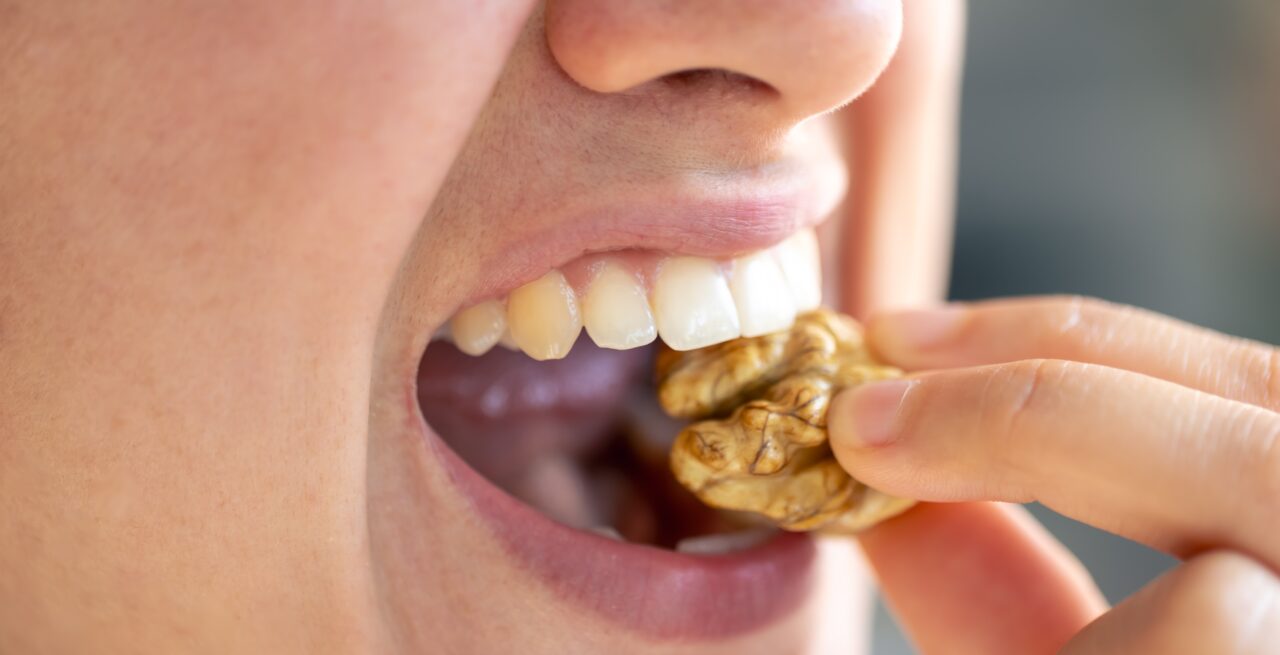
Packed with protein and healthy fats, nuts are great for your body—but not always for your teeth. Biting down on a hard almond or pistachio can lead to fractures or damaged dental work. Visit to dentist.
Why It’s Risky:
- Raw nuts can be extremely hard.
- People with dental crowns or bridges are particularly vulnerable.
Tips to Eat Nuts Safely:
- Eat chopped or slivered versions.
- Avoid chewing nuts with front teeth—use molars instead.
- Skip the shell-cracking with your teeth—always use a nutcracker.
-
Baguettes & Crusty Breads – Tough on Teeth
That artisan loaf may be delicious, but its hard outer crust can wreak havoc on your teeth, especially when paired with chewing fatigue or cold sensitivity.
Why It’s Risky:
- Biting into a tough crust places uneven pressure on enamel.
- It can lead to small cracks, especially in teeth with hidden weaknesses.
Safer Solutions:
- Warm the bread to soften the crust.
- Cut or tear into smaller, bite-sized pieces.
- Chew slowly and alternate sides of your mouth.
How to Avoid a Dental Emergency?
Cracked teeth aren’t always sudden—they often result from cumulative stress or bad habits. Here’s how to proactively protect your smile:
-
Chew Mindfully
- Avoid chewing non-food items like pens or fingernails.
- Don’t rush while eating—take your time and chew carefully.
-
Use Protective Gear
- If you grind your teeth at night, wear a custom nightguard to prevent cracks.
- Playing sports? Always wear a mouthguard—even for non-contact activities.
-
Don’t Use Teeth as Tools
- Never use your teeth to open bottles, packaging, or tear tags.
- This kind of misuse leads to vertical fractures and chipped edges.
-
Get Regular Dental Checkups
- Early signs of wear or cracks can be spotted before they become emergencies.
- Preventive care helps preserve your natural teeth and detect vulnerabilities.
What to Do If You Crack a Tooth?
Sometimes, despite our best efforts, accidents happen. Whether it’s a sharp pain while biting down or a visible chip, here’s how to act fast:
Common Signs of a Cracked Tooth:
- Sudden sharp pain when chewing
- Sensitivity to hot, cold, or sweet
- Swelling around a tooth or gum
- Visible lines, chips, or rough edges
Immediate Actions:
- Rinse your mouth with warm water to clean the area.
- Apply a cold compress to reduce swelling.
- Avoid chewing on the affected side.
- Take over-the-counter pain relief if needed.
- Contact an emergency dentist immediately.
NW Emergency Dentist Is Here to Help—7 Days a Week
At NW Emergency Dentist in Issaquah, we understand how painful and stressful a cracked tooth can be. That’s why we offer same-day emergency dental care, 7 days a week—including Sundays.
Whether it’s a chipped tooth, broken crown, or full-blown dental trauma, our experienced team provides fast, compassionate care using advanced diagnostics and state-of-the-art techniques.
We’re proud to be the only emergency dental clinic in Issaquah open on Sundays, and we accept a wide range of payment and financing options to make your care accessible.
Call to Action
Don’t wait for the pain to get worse. If you think you’ve cracked a tooth or feel a sharp discomfort while eating, call the experts at NW Emergency Dentist right away.
Schedule your same-day appointment today and protect your smile with professional, 7-days-a-week emergency care in Issaquah.